
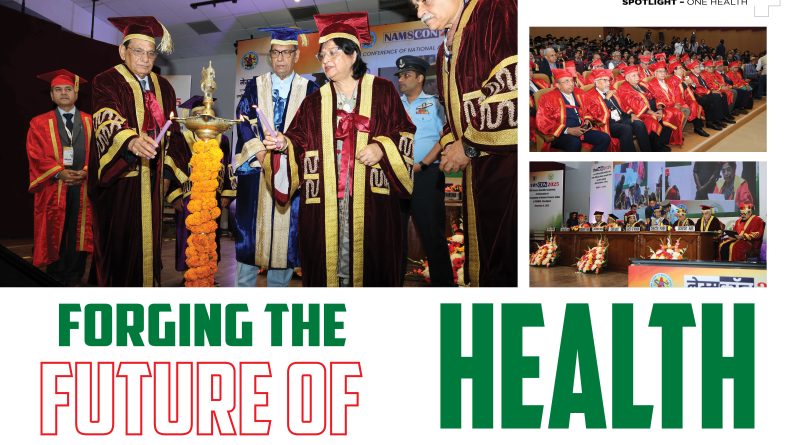
Forging the Future of Health
The complex health challenges of the 21st century—from pandemics to pollution—demand a unified response. The ‘One Health’ approach, which recognises the inseparable links between human, animal, and environmental well-being, is moving from concept to action.
By Prof Suneela Garg & Dr Madan Gopal
Diabetes management has changed more in the last few years than in the previous few decades. Earlier, treatment relied mainly on two oral medicines (metformin and sulfonylureas) and basic insulins (Regular and NPH). Today, care is far more advanced. Newer diets—such as low-GI (low glycaemic index), high-fibre, and high-protein plans—emerging from a deeper understanding of physiology, help achieve better blood sugar control. Evolving exercise concepts, including strength training, daily step targets, and short high-intensity sessions, further improve insulin sensitivity.
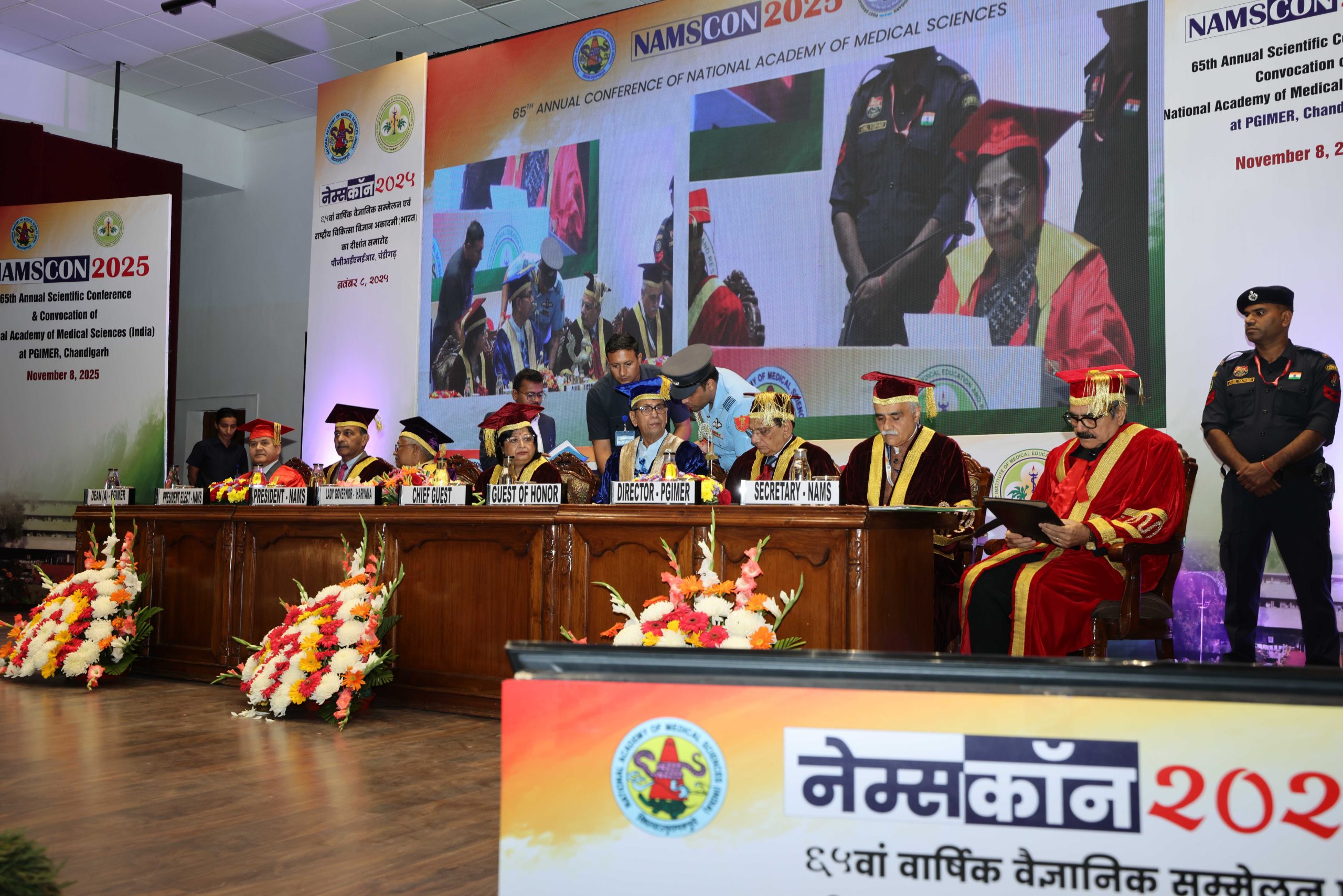
MThe complex health challenges of the 21st century—from pandemics to pollution—demand a unified response. The ‘One Health’ approach, which recognises the inseparable links between human, animal, and environmental well-being, is moving from concept to action. This transformation is being driven by a powerful alliance of medical academia, national institutes, and professional associations. Together, they are building a new ecosystem of education, policy, and community engagement designed to safeguard the health of the nation and the planet.
Academia’s role in One Health is to foster collaboration through education and research, generate scientific evidence, and develop a skilled workforce to address complex human, animal, and environmental health challenges. This involves creating interdisciplinary curricula, building research capacity, and working with policymakers, communities, and other organizations to provide solutions and raise public awareness.
Education and Capacity Building
Academia develops interdisciplinary curricula that integrate concepts from various fields, such as veterinary medicine, public health, and environmental science, to equip students with a holistic understanding of health challenges. Universities are essential for producing a workforce equipped with the skills to navigate the complexities of the human-animal-environment interface, including both theoretical and practical, field-based training. Furthermore, academia plays a leadership role in offering continuing education and distance learning opportunities to train and update public health professionals on One Health principles.
Research and Evidence Generation
Academic communities develop research agendas for One Health that guide global partners and promote information sharing. A critical shift is underway as academia moves its research capacity to embrace transdisciplinary approaches, where researchers, policymakers, and community members collaborate to solve problems. These institutions generate crucial scientific evidence and provide expert advice to governments and international organizations to support evidence-based decision-making.
Collaboration and Advocacy
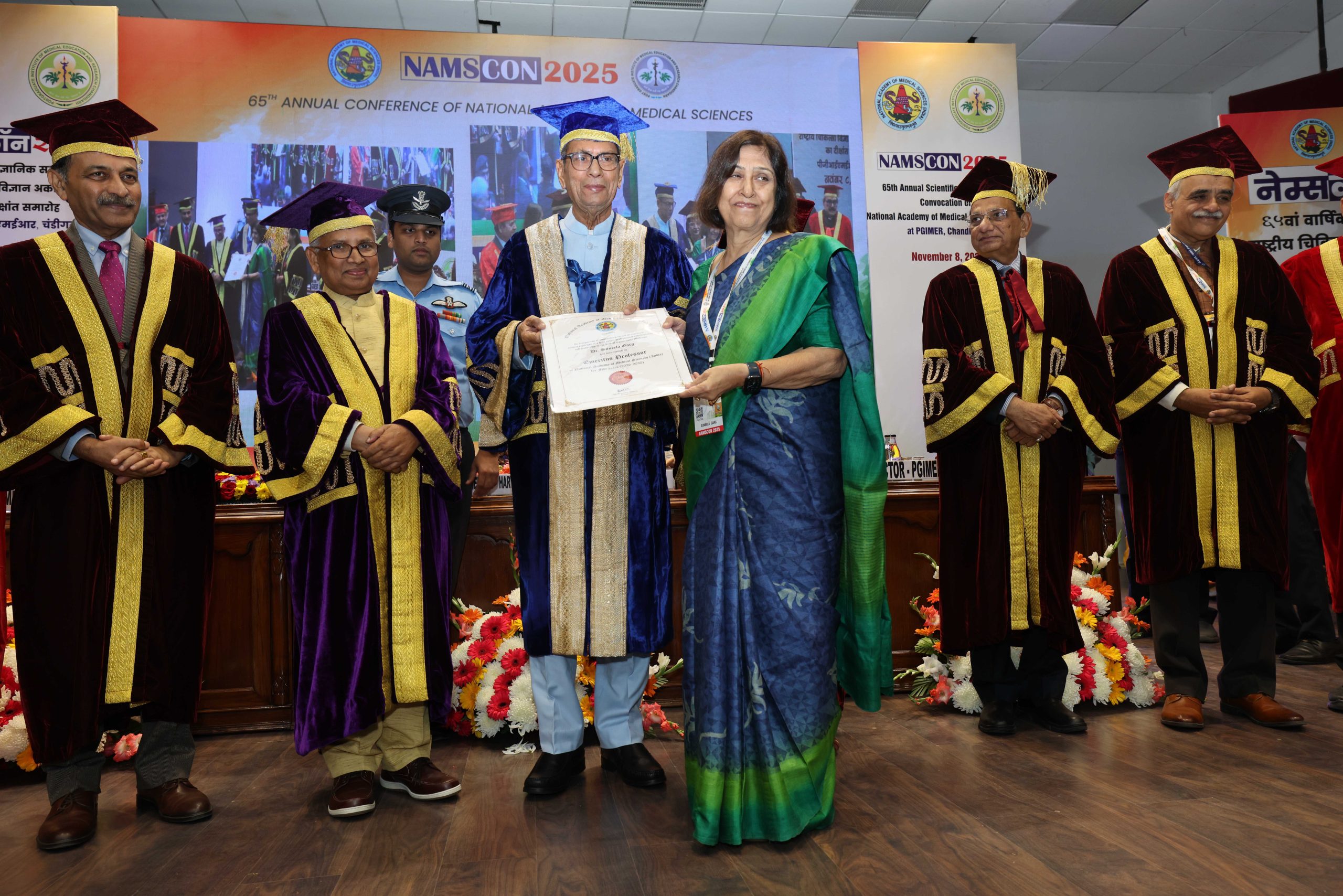
Academia acts as a collaborative hub to connect different disciplines and stakeholders at national and global levels, fostering innovation and amplifying the impact of One Health initiatives. By engaging with policymakers, academia can advocate for One Health concepts and promote the inclusion of these measures in policies. It also collaborates with various sectors to promote education and public awareness about the interconnectedness of human, animal, and environmental health.
The Role of NAMS
The National Academy of Medical Sciences (NAMS) plays a role in One Health primarily by advising the government on health policy, promoting continuing medical education, and fostering academic excellence through publications and symposia that can include One Health topics. As a think tank and advisory body on health matters, it contributes to the multi-sectoral approach of One Health by supporting policy and planning related to zoonotic diseases and other health issues that require a holistic, interdisciplinary perspective.
Specific Roles in One Health
NAMS serves as an advisory body to the government on national health policy and planning. Its task forces develop policy documents to support policymakers, which is crucial for addressing complex issues like zoonotic diseases from a One Health perspective. As a nodal agency for Continuing Medical Education (CME), it sponsors nationwide programs, symposia, and workshops, which is a key way to build a skilled workforce with knowledge across human, animal, and environmental health—a core component of One Health. The Academy’s scientific journal, “Annals of NAMS,” disseminates recent advances in medicine and allied sciences; by including One Health-related research, it helps to spread knowledge and promote collaboration across disciplines. Finally, NAMS fosters and utilizes academic excellence to meet social goals, including improving academic standards in medical and allied subjects, which can involve developing patterns for education and uniformity of standards applicable to One Health approaches.
Role of Professional Associations
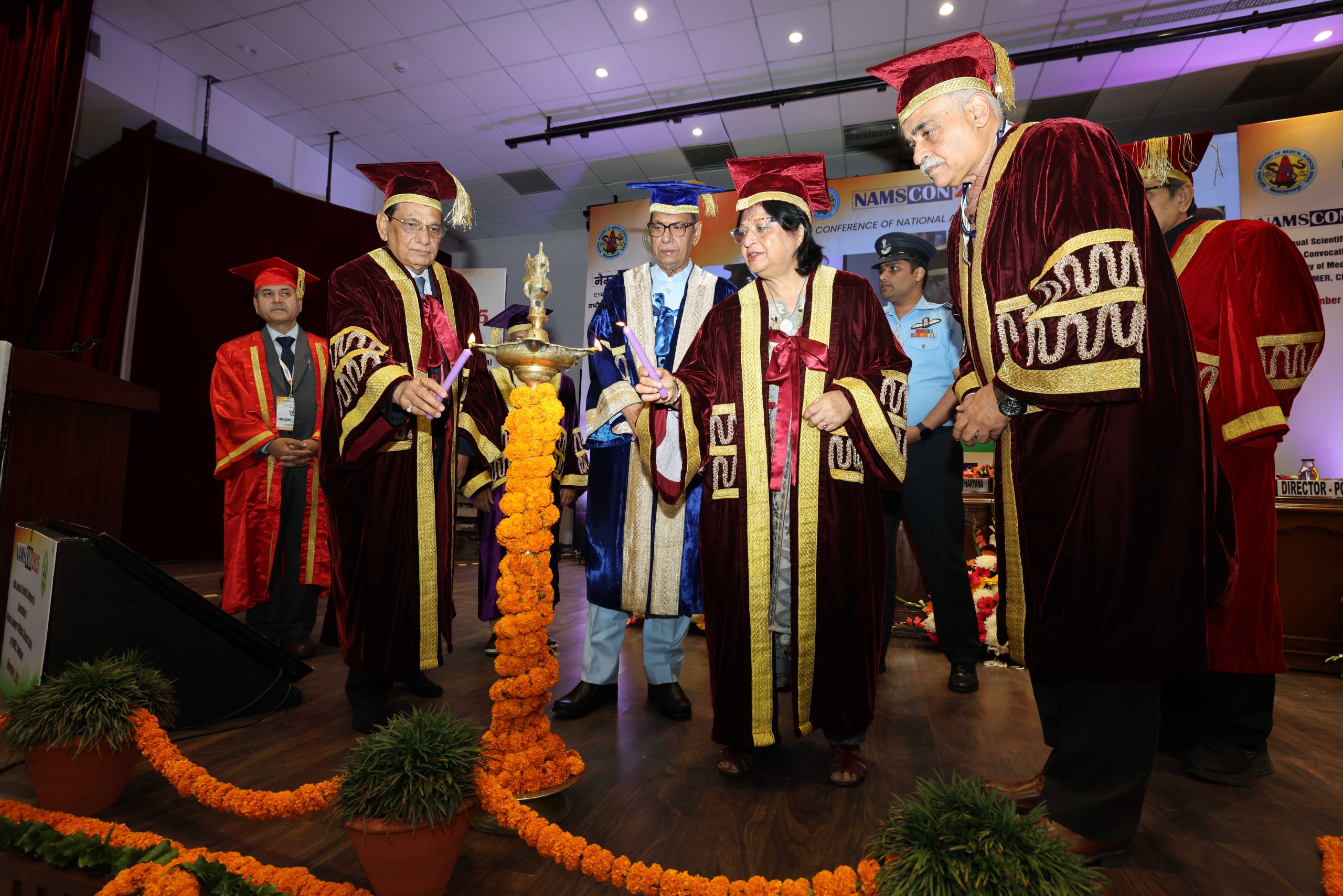
Professional associations facilitate collaboration, provide expertise, and advocate for the One Health approach within their respective fields.
Key Roles of Professional Associations
Associations lobby governments at all levels to create and enforce regulations that promote a One Health approach, bringing practical, member-based solutions to policymakers. They create networks for professionals to meet and exchange information, bridging gaps between different sectors like human and veterinary medicine—a collaboration vital for understanding and controlling diseases that affect both humans and animals. They develop and provide training programs for professionals and paraprofessionals to enhance their skills in areas like zoonotic disease management and surveillance, including modifying curricula to promote cross-disciplinary competency. Associations use their outreach and instructional efforts to inform the public and professionals about the interconnectedness of health. They issue codes of conduct and set professional examinations, ensuring a high standard of practice. During crises, they act as platforms for coordinated responses, providing technical assistance and support for issues like infection prevention, biosafety, and the development of a resilient public health workforce.
Spotlight: FICCI HEAL 2025
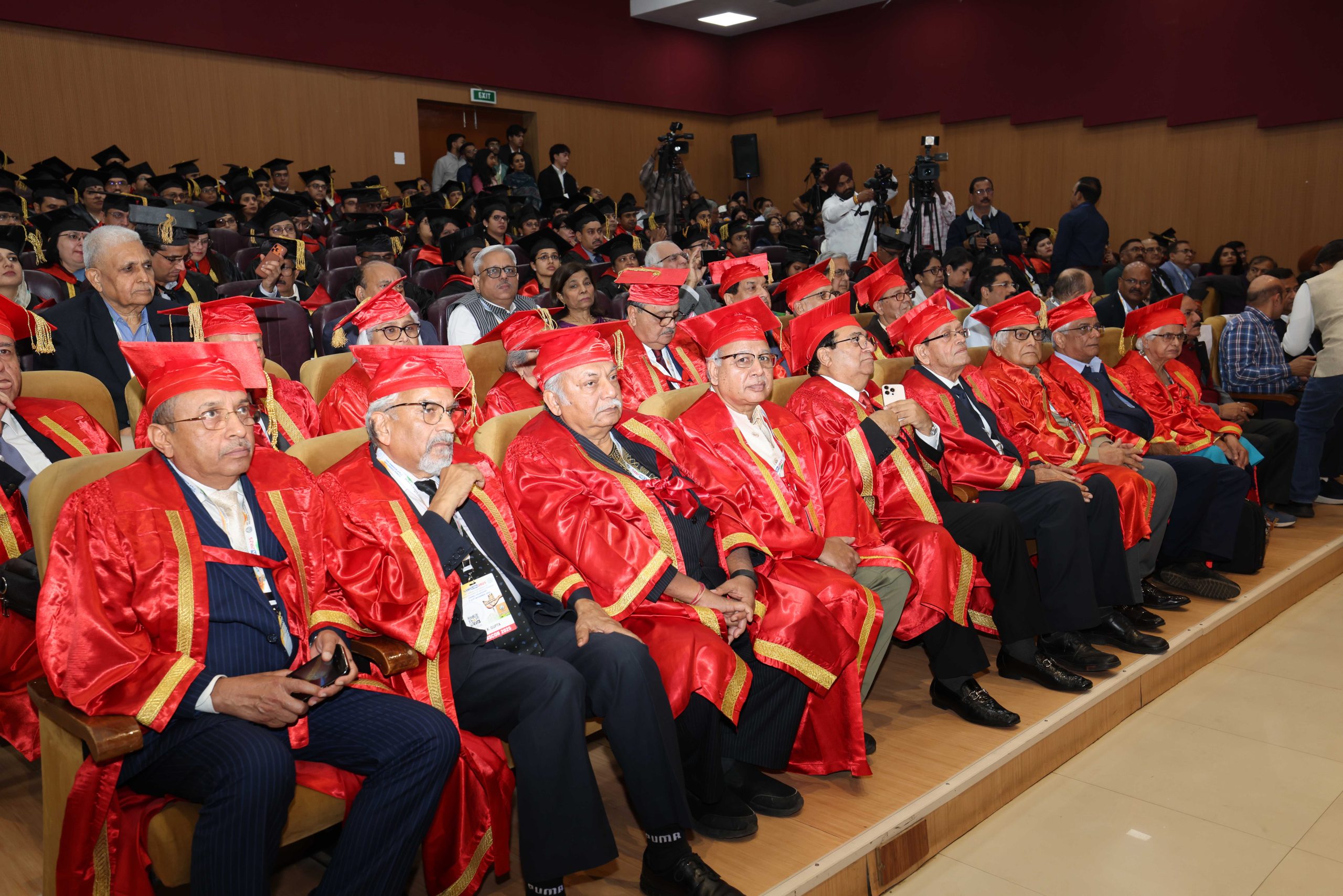
FICCI HEAL 2025 highlighted the role of One Health as a crucial, collaborative framework for building a healthy India, addressing health as a holistic system encompassing human, animal, and environmental well-being, as noted by the Ministry of Health and Family Welfare. The conference emphasized integrating One Health principles into healthcare strategies to ensure equitable, accessible, and affordable care for all by 2047, as discussed by policymakers, experts, and industry leaders.
Integrating Health Sectors
The One Health approach emphasizes that human health is interconnected with animal health and the environment. By bringing together stakeholders from various sectors, FICCI HEAL 2025 facilitated discussions on collaborative strategies to manage public health issues that span across these domains. It addressed public health challenges by discussing the future of healthcare through a One Health lens, aiming to tackle complex issues like emerging infectious diseases, food safety, and environmental health risks that require cross-disciplinary solutions.
The overarching goal was to help create a “healthy India by 2047”. The One Health approach is central to this vision, ensuring a continuum of care that spans preventive, promotive, curative, and rehabilitative services by considering all factors that impact health. By serving as a platform for policymakers, health experts, and industry leaders, FICCI HEAL 2025 promoted public-private collaboration, seen as key to implementing One Health principles and accelerating progress in health outcomes.
Community Engagement by Academia, Professional Associations, and NAMS
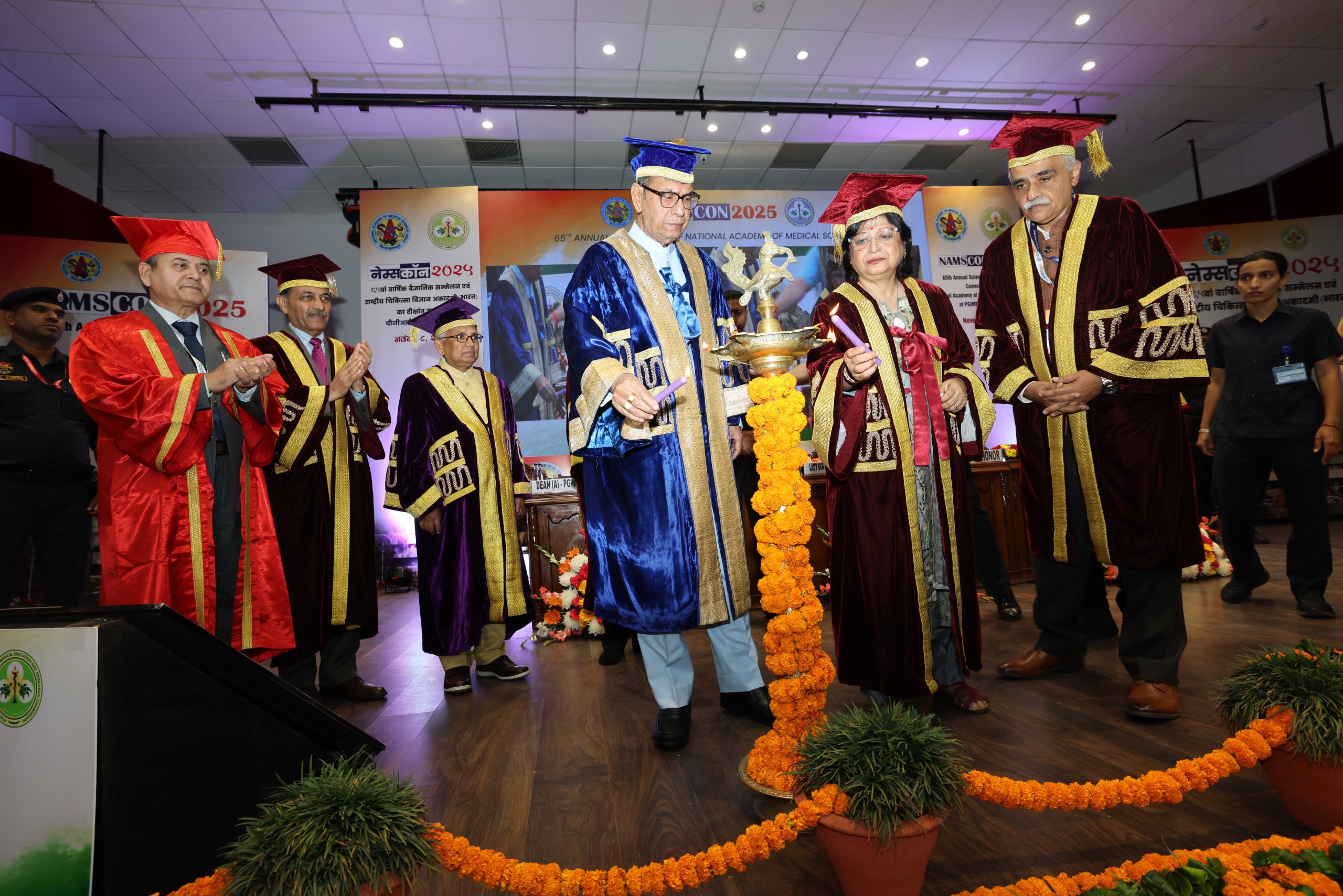
Community engagement in One Health is a collaborative effort involving medical colleges, national institutes, and professional associations, primarily through education, research, and collaborative public health initiatives. These institutions work to break down traditional silos between human, animal, and environmental health sectors to address complex, interconnected health challenges.
Medical Colleges
Medical colleges play a crucial role by integrating One Health principles into medical education through dedicated courses, case-based learning (CBL), and interdisciplinary workshops to equip future physicians with a systems-thinking approach. They organize community service-learning opportunities, such as health camps or environmental assessments (e.g., beach clean-ups), where students apply theoretical knowledge. They facilitate inter-professional training and educational events (e.g., journal clubs, symposiums) for medical, veterinary, and public health students to build collaboration skills. Furthermore, they engage students in community-based research projects that address local health concerns, helping them understand social determinants of health and build trust.
Community Engagement: National Institutes of Importance
National institutes are pivotal in operationalising One Health at national and local levels through policy, coordination, and resource allocation. National bodies, such as India’s National One Health Mission, create integrated frameworks and provide overall policy guidance, bringing together multiple government ministries and departments for a coordinated approach. They establish specialized centres, like the upcoming National Institute of One Health in Nagpur, and provide resources and training to strengthen national capacity for surveillance and response to zoonotic diseases. These institutes focus on developing and implementing integrated surveillance systems for diseases like antimicrobial resistance (AMR) and zoonotic infections, often involving data collection at the community level. They utilise social mobilisation programmes and local media to raise community awareness about health threats and prevention strategies, ensuring consistent understanding across different sectors and the public.
Professional Associations
Associations such as the American Medical Association and the World Health Organization (WHO) endorse and promote the One Health concept, encouraging their members to adopt its principles in practice. They provide platforms for professionals from various disciplines to network, share knowledge, and collaborate on initiatives. They help in identifying and defining the necessary One Health competencies for health practitioners, guiding the development of relevant education and training programs. Local professional bodies can engage with traditional healers and community leaders to better understand local beliefs and needs, helping to streamline patient referrals and implement culturally appropriate health interventions.
This collective, multi-tiered effort represents a profound shift in how we perceive and protect health. It is a recognition that the well-being of people is inextricably linked to the well-being of animals and the ecosystems we share. By uniting the educational rigor of academia, the strategic influence of national academies, the advocacy of professional bodies, and the energy of industry forums, India is assembling the essential components to pre-empt future crises and build a more resilient, healthier future for all.
(The authors are Professor Emeritus, NAMS, M M Medical College, Chair, Program Advisory Committee, National Institute of Health & Family Welfare, New Delhi / Senior Public Health Advisor, NHSRC)