

A Lifeline for Kidneys

Yoga offers a holistic path to healthier living and ageing. Though not a substitute for medications and prescribed treatments, it can play a valuable supportive role in preventing and managing a range of diseases, including chronic kidney disease.
By Dr Sanjeev Gulati
Yoga is one of the world’s oldest and most enduring systems for promoting health and well-being. Originating in India more than 5,000 years ago, it is far more than a form of physical exercise. Yoga is a holistic discipline that integrates physical postures, breathing techniques, mindfulness, and meditation to support physical, mental, and emotional health. In recent years, modern medicine has increasingly recognised yoga’s potential role in preventing and managing a range of chronic diseases, including diabetes, hypertension, cardiovascular disorders, and chronic kidney disease (CKD).
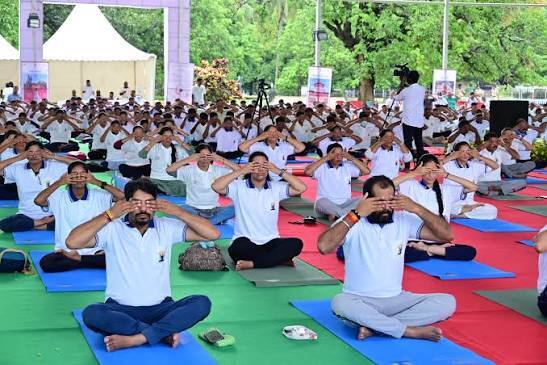
 The significance of yoga has gained global recognition through the annual observance of the International Day of Yoga on June 21. Proposed by India and adopted by the United Nations General Assembly in 2014 with the support of a record 175 member states, the day seeks to raise awareness about yoga as a comprehensive approach to health and wellness. The date, which coincides with the summer solstice, symbolises balance, vitality, and longevity.
The theme for International Day of Yoga 2026, “Yoga for Healthy Ageing,” highlights the fact that yoga is not confined to any particular stage of life. Rather, it is a lifelong practice that can be adapted to changing needs and abilities, helping individuals maintain vitality, independence, and dignity as they age.

Yoga and Healthy Ageing
The world is witnessing a rapid increase in the elderly population, particularly in developing regions. This demographic shift has intensified the need for interventions that are affordable, scalable, and culturally acceptable. Yoga fulfils all these criteria.
By improving flexibility, balance, strength, and mental resilience, yoga addresses several key pillars of healthy ageing. Regular practice helps maintain mobility, protects cognitive health, reduces social isolation, and enhances overall quality of life. It reminds us that healthy ageing is not merely about adding years to life but about adding life to those years.
The World Health Organization (WHO) has acknowledged the value of structured physical activity in maintaining health across the lifespan. The WHO Global Action Plan on Physical Activity 2018–2030 and the WHO Global Traditional Medicine Strategy 2025–2034 both support the safe integration of evidence-based traditional practices such as yoga into healthcare systems.
According to Dr Catharina Boehme, Officer-in-Charge of the WHO South-East Asia Region, healthy ageing is shaped not only by healthcare systems but also by the daily choices people make. Yoga, when practised regularly and appropriately, represents one such choice that can significantly contribute to lifelong health and vitality.
Understanding Chronic Kidney Disease
Chronic Kidney Disease (CKD) is a progressive condition in which the kidneys gradually lose their ability to filter waste products and excess fluids from the body. Diabetes and hypertension are the two leading causes of CKD worldwide. As kidney function declines, patients may experience fatigue, swelling, high blood pressure, sleep disturbances, muscle weakness, and a variety of other complications.
 In advanced stages, many patients require dialysis or kidney transplantation to sustain life. While medical treatment remains the cornerstone of CKD management, increasing attention is being paid to lifestyle interventions that can complement conventional therapy. Among these, yoga has emerged as a promising supportive practice.
Although direct scientific evidence linking yoga to improved kidney function remains limited, a growing body of research suggests that yoga positively influences many of the factors that contribute to kidney disease progression. In medicine, absence of evidence does not necessarily mean evidence of absence. The indirect benefits of yoga may be particularly relevant for individuals living with kidney disease.
The Scientific Basis of Yoga’s Benefits
For centuries, yoga’s health benefits were understood largely through traditional knowledge. Today, modern scientific research is beginning to explain the physiological mechanisms behind these effects.
One of the most consistently demonstrated benefits of yoga is its ability to lower blood pressure. Research has shown that relaxation techniques and specific yogic practices can significantly reduce both systolic and diastolic blood pressure levels. Since uncontrolled hypertension is a major contributor to kidney damage, improved blood pressure control can help slow the progression of CKD.
 Yoga also influences heart rate and cardiovascular function. A slower resting heart rate reduces strain on the heart and blood vessels, which may benefit individuals with cardiovascular disease, stroke risk, or hypertension.
Another important benefit relates to diabetes management. Several studies have shown that yoga can improve blood sugar control by reducing stress hormones such as cortisol and adrenaline, promoting weight management, and enhancing insulin sensitivity. Since diabetes remains the leading cause of kidney failure globally, better glucose control indirectly contributes to kidney protection.
Research has also linked yoga with healthier body weight and lower body mass index (BMI). Individuals who practise yoga regularly often demonstrate better eating habits, greater mindfulness, and improved self-awareness. These behavioural changes can lead to sustained weight control and reduced risk of metabolic disorders.
Yoga as a Stress Management Tool
Perhaps one of yoga’s most profound contributions lies in its ability to manage stress.
Living with chronic kidney disease can be physically and emotionally challenging. Frequent hospital visits, dietary restrictions, medication schedules, uncertainty about the future, and financial pressures can all contribute to anxiety and depression.
Yoga helps calm the nervous system by reducing the mental fluctuations associated with fear, frustration, anger, and worry. Breathing exercises, meditation, and mindful movement encourage relaxation and emotional balance. Reduced stress levels may also lower inflammation, improve sleep quality, and enhance overall quality of life.
Stress has been implicated in numerous health problems, including hypertension, heart disease, insomnia, migraines, and immune dysfunction. By helping patients achieve a calmer state of mind, yoga may contribute to better long-term health outcomes.
Yoga and Dialysis Patients
Dialysis is a life-saving treatment for patients with end-stage kidney disease. Most individuals undergoing haemodialysis require treatment two to three times each week, spending between eight and twelve hours in dialysis units.
Unfortunately, many dialysis patients become physically inactive over time. Fatigue, muscle weakness, and fear of injury often lead to sedentary lifestyles, which can further worsen health outcomes.
 Over the past decade, increasing evidence has shown that regular physical activity improves physical function, cardiovascular health, and quality of life among dialysis patients. Consequently, many dialysis centres around the world have begun incorporating exercise programmes into dialysis sessions.
Yoga offers a particularly attractive option because it combines gentle movement with breathing and relaxation techniques. Patients can practise selected yoga exercises even while receiving dialysis treatment, making productive use of the hours spent in the dialysis chair.
At our dialysis unit, we have celebrated International Yoga Day for several years and have encouraged patients to adopt regular yoga practice. The response has been encouraging, with many participants reporting improved well-being, better relaxation, and enhanced confidence in managing their condition.
Can Yoga Improve Kidney Function?
The question most kidney patients ask is whether yoga can directly improve kidney function.
The honest answer is that definitive scientific evidence remains limited. However, there is considerable indirect evidence supporting yoga’s role as an adjunct therapy.
Studies have demonstrated improvements in blood pressure control, blood sugar regulation, stress reduction, sleep quality, and overall quality of life among individuals who practise yoga regularly. All of these factors are known to influence kidney health.
Some studies have suggested that structured yoga programmes may improve renal function parameters and quality of life when used alongside conventional treatment. While larger clinical trials are still needed, the available evidence is encouraging.
For kidney transplant recipients, maintaining excellent blood pressure control is essential for preserving the longevity of the transplanted kidney. Since yoga contributes to cardiovascular health and stress management, it may offer additional benefits even after transplantation.
Additional Benefits for Kidney Patients
Regular yoga practice may offer several advantages for people living with kidney disease:
Improved blood circulation
Enhanced flexibility and muscle strength
Better metabolic function
Reduced stress and anxiety
Improved sleep quality
Better emotional well-being
Enhanced immunity
Reduced perception of chronic pain
Improved management of fluid retention
Greater overall quality of life
A well-rested and relaxed body is better equipped to regulate essential physiological functions, including fluid balance and cardiovascular stability.
Important Precautions
Although yoga is generally safe, not every posture is suitable for every patient.
Individuals with polycystic kidney disease should avoid positions that place excessive pressure on the abdomen or lower back. Patients with uncontrolled hypertension, severe back problems, or certain cardiovascular conditions may require modifications.
For dialysis patients, additional precautions are necessary. Individuals with an arteriovenous (AV) fistula should avoid vigorous movements involving the arm used for vascular access during dialysis sessions. Patients with a dialysis catheter may have fewer restrictions but should still seek professional guidance.
It is always advisable to consult both a nephrologist and a qualified yoga instructor before beginning a new yoga programme.
Yoga Practices Suitable During Dialysis
Several gentle breathing and relaxation techniques can be safely practised during dialysis sessions.
Anulom Vilom (Alternate Nostril Breathing)
This involves inhaling through one nostril while closing the other, then exhaling through the opposite nostril. The sequence is then reversed. This simple practice promotes relaxation and may improve circulation and respiratory efficiency.
Kapalabhati
Kapalabhati involves a series of forceful exhalations followed by passive inhalations. It should be practised gently and according to individual comfort levels.
Bhastrika
This breathing technique combines deep inhalation with controlled, forceful exhalation. It can help improve lung function and increase energy levels when performed correctly.
Shavasana (Corpse Pose)
One of the simplest yet most powerful yogic practices, Shavasana involves lying comfortably and allowing the body and mind to relax completely. It helps reduce stress and promotes deep relaxation.
These practices are ideally performed before meals or refreshments during dialysis sessions.
Yoga Postures for Non-Dialysis Days
On days when dialysis is not scheduled, patients who are medically stable may consider practising additional postures under professional supervision.
Vrikshasana (Tree Pose)
This balancing posture improves concentration, coordination, and lower-body strength while promoting mental focus.
Tadasana (Mountain Pose)
A simple standing posture that encourages correct alignment, improves posture, and enhances balance.
Bhujangasana (Cobra Pose)
This pose gently stretches the spine and opens the chest. It may help improve flexibility and circulation.
Ustrasana (Camel Pose)
Camel Pose stretches the front of the body, opens the chest, and may support improved circulation.
Paschimottanasana (Seated Forward Bend)
This forward-bending posture stretches the back muscles and promotes relaxation.
Surya Namaskar (Sun Salutation)
One of the most comprehensive yoga sequences, Surya Namaskar combines multiple postures into a flowing routine that improves flexibility, strength, circulation, and stamina.
Kati Chakrasana (Standing Spinal Twist)
This twisting posture helps improve flexibility and may enhance blood circulation throughout the body.
Integrating Yoga into Kidney Care
The future of kidney care lies not only in advanced medical treatments but also in holistic approaches that empower patients to participate actively in their own health.
Yoga should never be viewed as a substitute for dialysis, medications, or other prescribed treatments. Instead, it should be regarded as a complementary practice that enhances physical and emotional well-being.
For healthcare providers, introducing simple yoga-based interventions may represent a cost-effective way to improve patient engagement and quality of life. For patients, yoga offers an opportunity to regain a sense of control, confidence, and hope while living with a chronic illness.
Takeaways
Yoga’s enduring relevance lies in its remarkable ability to address the interconnected dimensions of human health. By combining physical activity, breath control, mindfulness, and relaxation, yoga supports cardiovascular health, improves metabolic function, reduces stress, and enhances overall quality of life.
For individuals living with chronic kidney disease, dialysis dependence, or kidney transplantation, yoga offers a practical and accessible pathway towards better health. While more scientific research is needed to define its direct effects on kidney function, the existing evidence strongly suggests that yoga can play an important supportive role in comprehensive kidney care.
As the world embraces the message of “Yoga for Healthy Ageing,” patients with kidney disease can also draw inspiration from this ancient practice. Performed safely, regularly, and under proper guidance, yoga can help strengthen the body, calm the mind, and improve the quality of life—one breath, one posture, and one day at a time.
(The author is Chairman, Nephrology and Kidney Transplantation, Fortis Group of Hospitals, NCR; Adjunct Professor of Nephrology at Manipal University; and a member of the Governing Body of the Indian Society of Organ Transplantation.)