
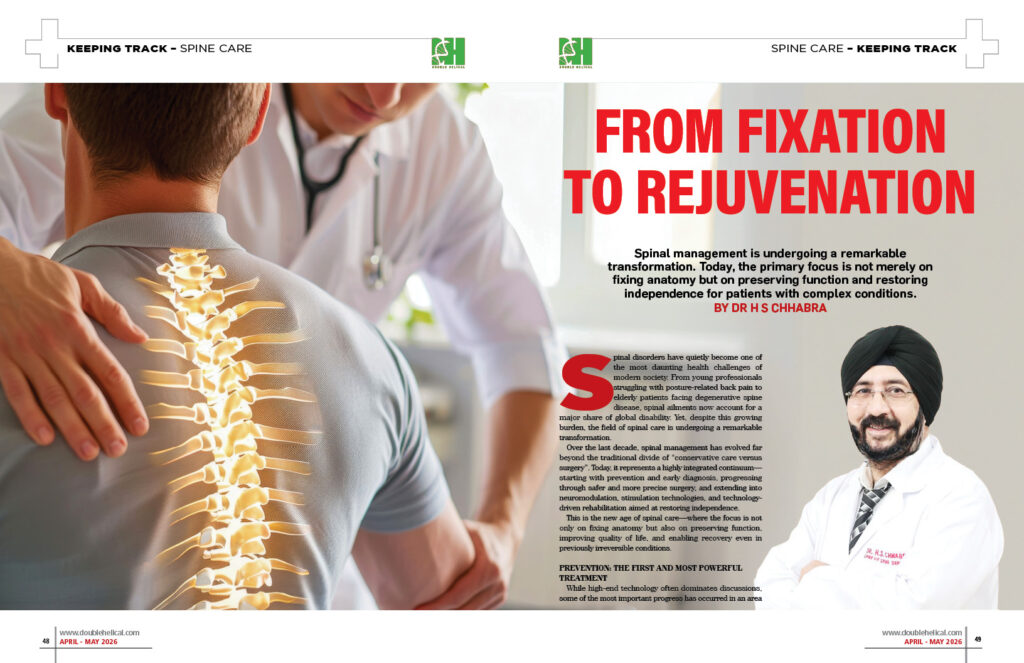
From Fixation to Rejuvenation
 Spinal management is undergoing a remarkable transformation. Today, the primary focus is not merely on fixing anatomy but on preserving function and restoring independence for patients with complex conditions.
By Dr H S Chhabra
Spinal disorders have quietly become one of the most daunting health challenges of modern society. From young professionals struggling with posture-related back pain to elderly patients facing degenerative spine disease, spinal ailments now account for a major share of global disability. Yet, despite this growing burden, the field of spinal care is undergoing a remarkable transformation.
Over the last decade, spinal management has evolved far beyond the traditional divide of “conservative care versus surgery”. Today, it represents a highly integrated continuum—starting with prevention and early diagnosis, progressing through safer and more precise surgery, and extending into neuromodulation, stimulation technologies, and technology-driven rehabilitation aimed at restoring independence.
This is the new age of spinal care—where the focus is not only on fixing anatomy but also on preserving function, improving quality of life, and enabling recovery even in previously irreversible conditions.
Prevention: The First and Most Powerful Treatment
While high-end technology often dominates discussions, some of the most important progress has occurred in an area that receives far less attention—prevention.
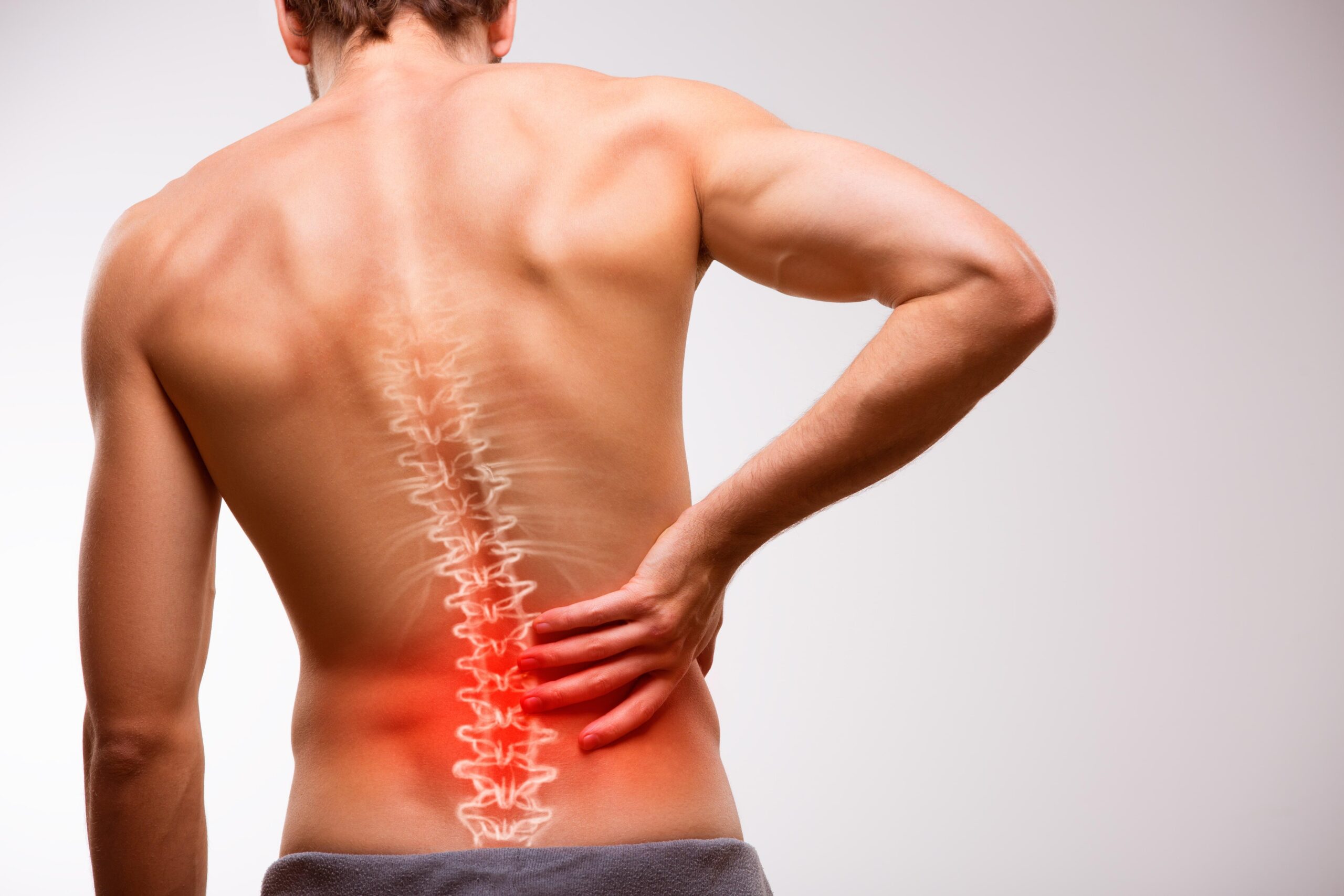 Spinal disorders are strongly influenced by lifestyle. Poor posture, sedentary habits, obesity, smoking, and metabolic disorders accelerate the degeneration of discs and joints. Recognising this, spine care has gradually shifted toward preventive health models.
Workplace ergonomics programs are increasingly being adopted, particularly in corporate settings where prolonged sitting has become the norm. Awareness of correct lifting techniques, safe manual handling, and spine-friendly working postures has helped reduce occupational spine injuries.
At an individual level, structured fitness approaches focusing on core strengthening, flexibility, posture training, and conditioning are proving highly effective in reducing the recurrence of back pain. Yoga and Pilates-based regimens, supervised physiotherapy, and guided exercise therapy are now frequently prescribed not just for treatment but also for long-term prevention.
Equally important has been the growing emphasis on bone health. Early osteoporosis screening, timely initiation of anti-osteoporotic medications, vitamin D optimisation, and fall prevention programs have significantly reduced fragility fractures of the spine—an increasingly common cause of disability in older adults. In many ways, modern spinal management begins long before the operating room.
Precision Diagnostics: Seeing More, Understanding Better
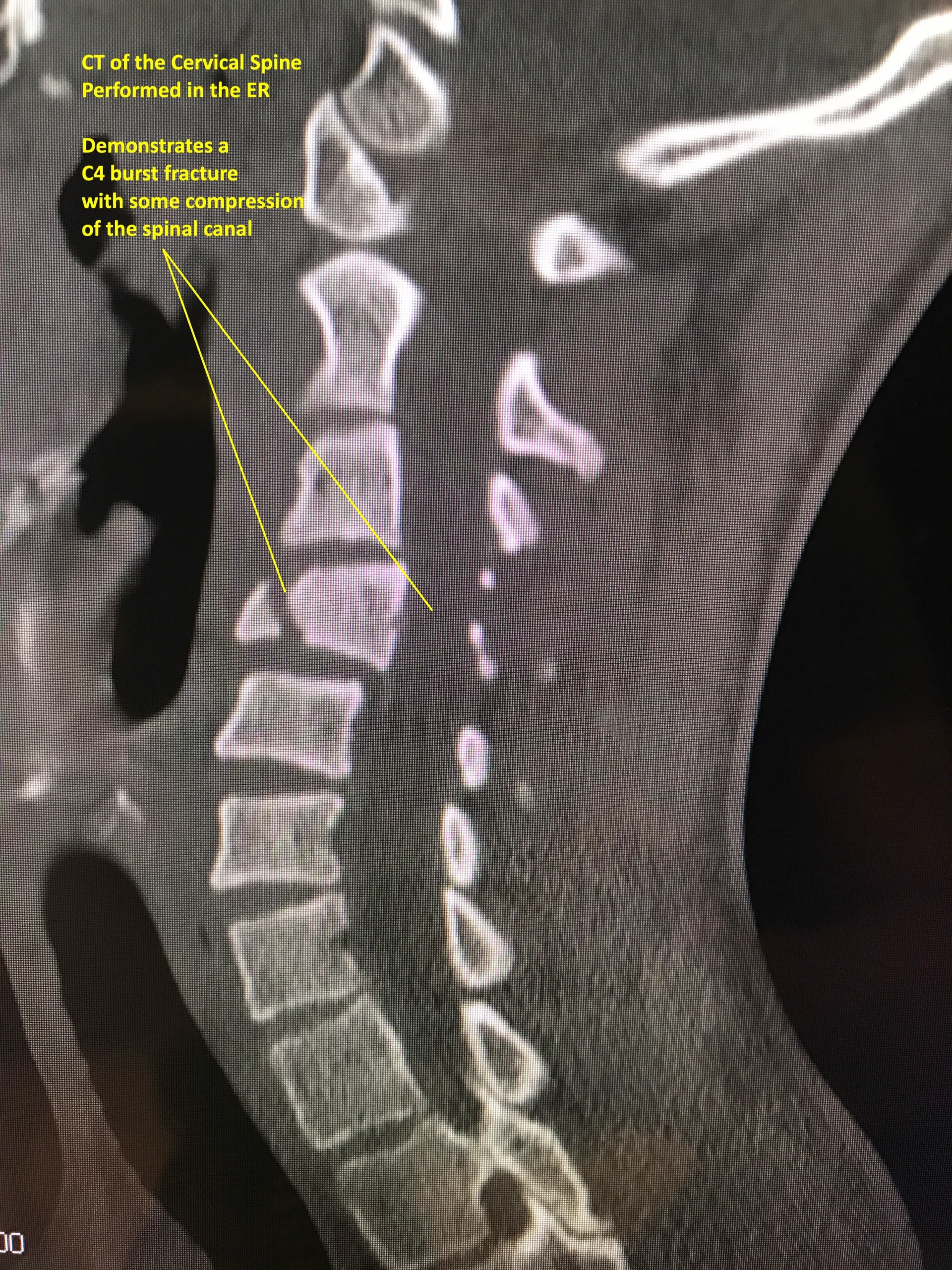
Accurate diagnosis has always been central to effective spine care, but recent advances have elevated this to an entirely new level. Conventional MRI and CT scans remain the backbone of evaluation, but newer imaging techniques now allow clinicians to see the spine in much greater detail and interpret pathology with greater confidence.
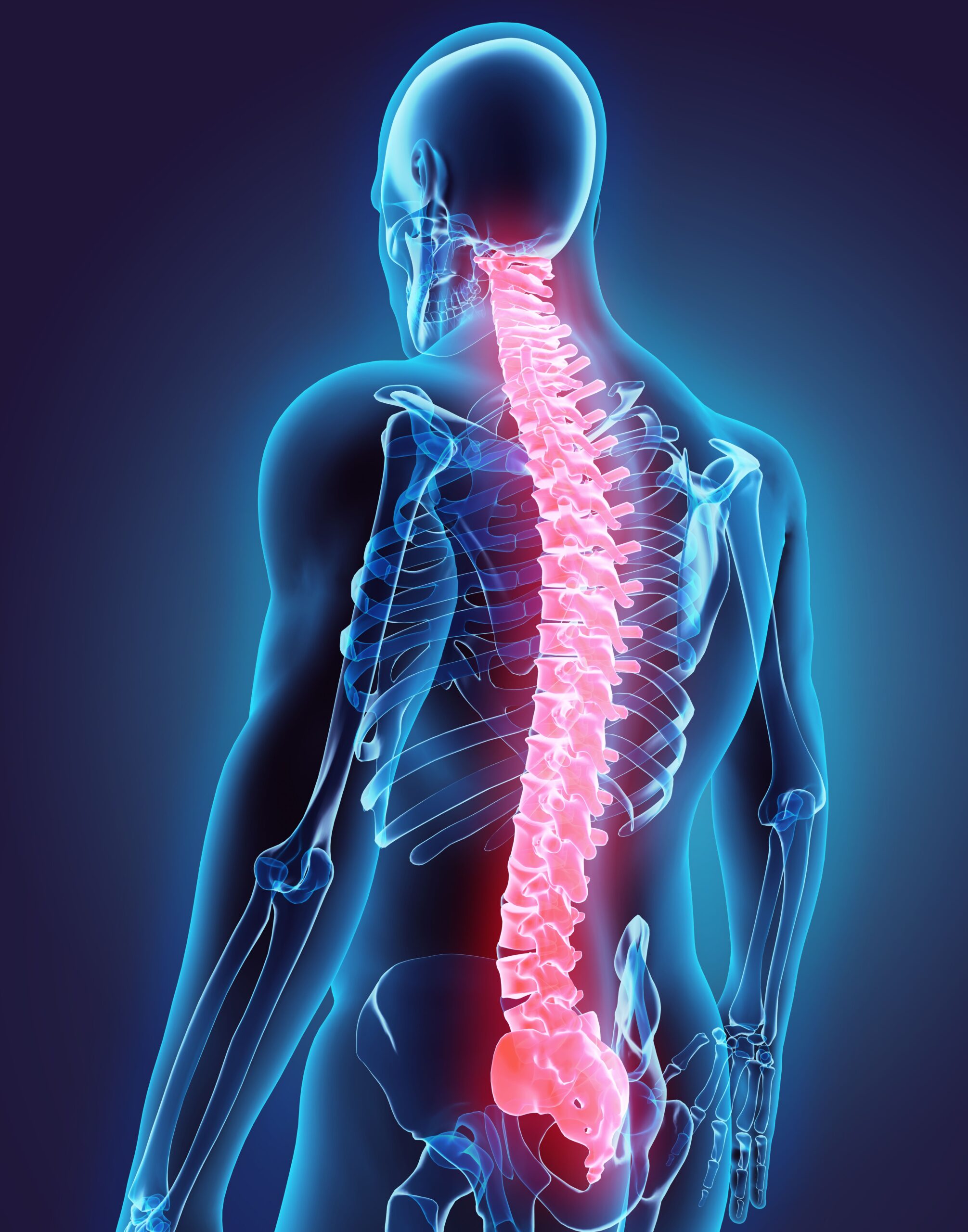
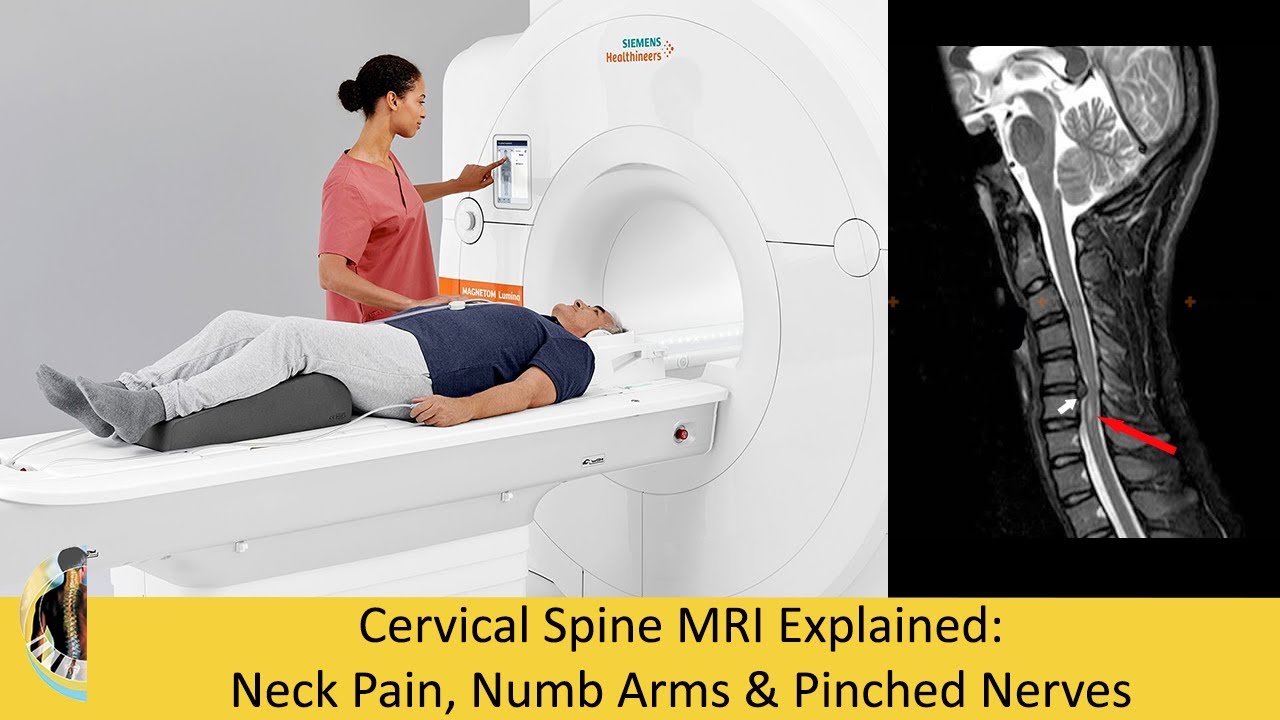
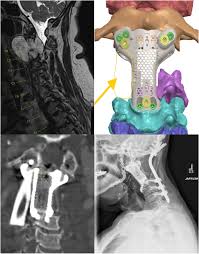 High-resolution MRI protocols, advanced spinal cord imaging, and dynamic assessments for instability help correlate symptoms more precisely with structural abnormalities. For conditions such as cervical myelopathy, tumours, and complex stenosis, these tools provide a clearer understanding of the neural structures at risk.
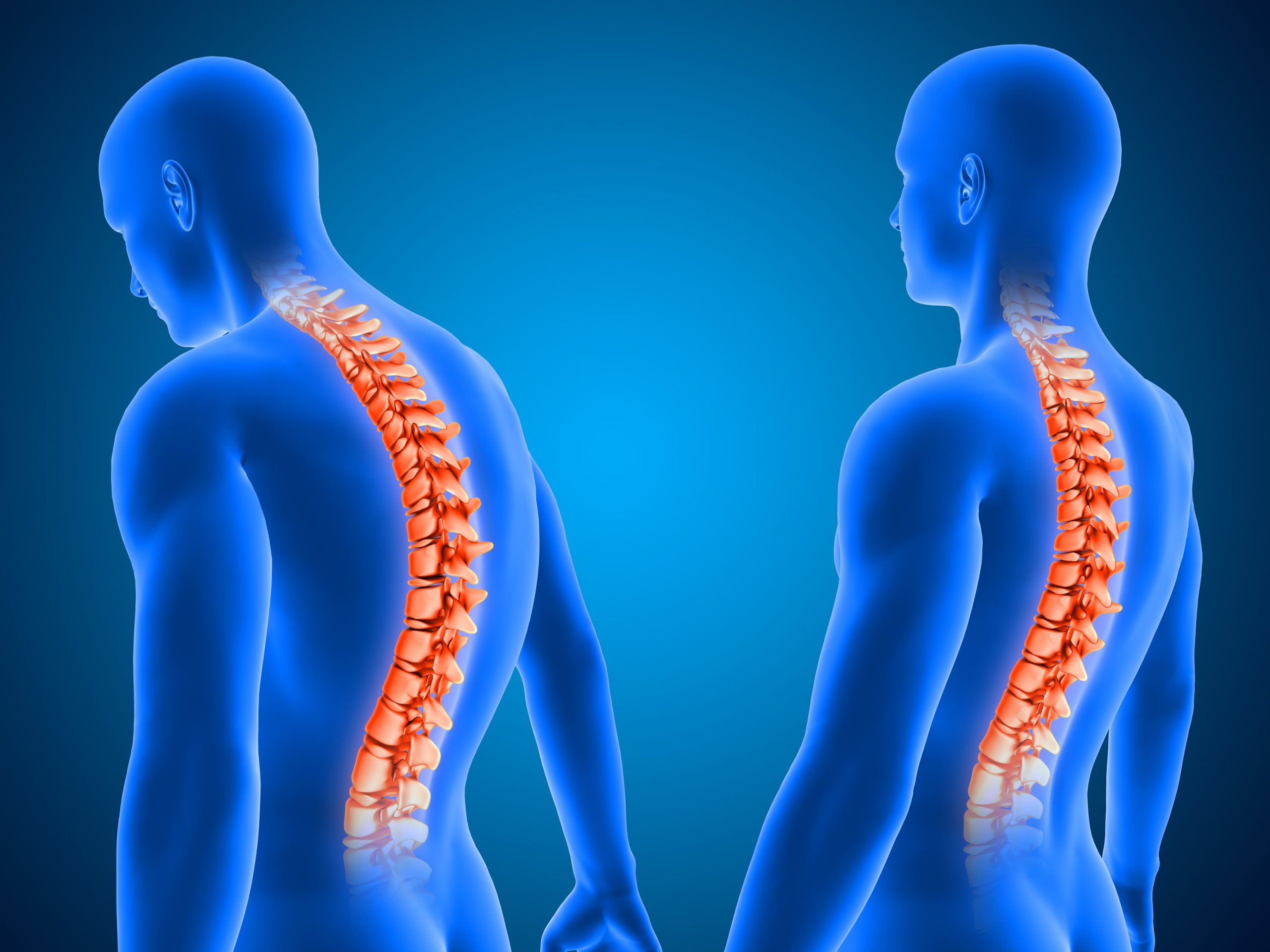
The concept of spinal alignment has also gained renewed attention. Full-spine standing radiographs and sagittal balance analysis have shown that pain and disability are not just caused by local degeneration but are often driven by global spinal imbalance. Correcting alignment has become a key objective in deformity and degenerative surgery.
Artificial intelligence (AI) is now emerging as a powerful partner in diagnostics. AI-assisted imaging analysis is being developed to quantify degeneration, identify subtle changes, and even predict progression. While still evolving, these tools are likely to bring more objectivity and standardisation to spinal evaluation.
Planning the Surgery: The Rise of Personalised Spine Care
Spine surgery has historically been complex because every patient’s anatomy is unique. Today, planning has become far more personalised.
Surgeons increasingly use computer-based biomechanical modelling to simulate stress patterns, anticipate implant loads, and optimise correction strategies—especially in deformity and revision surgery. This is particularly valuable in osteoporotic patients, where implant failure remains a concern.
One of the most exciting developments is the rise of 3D-printed implants. Custom-made cages and vertebral reconstruction devices can now be designed to match patient anatomy with remarkable precision. In tumour surgery, infection, and complex reconstructions, such implants improve fit, stability, and long-term integration. Patient-specific cutting guides and osteotomy templates have also improved surgical accuracy while reducing operative time.
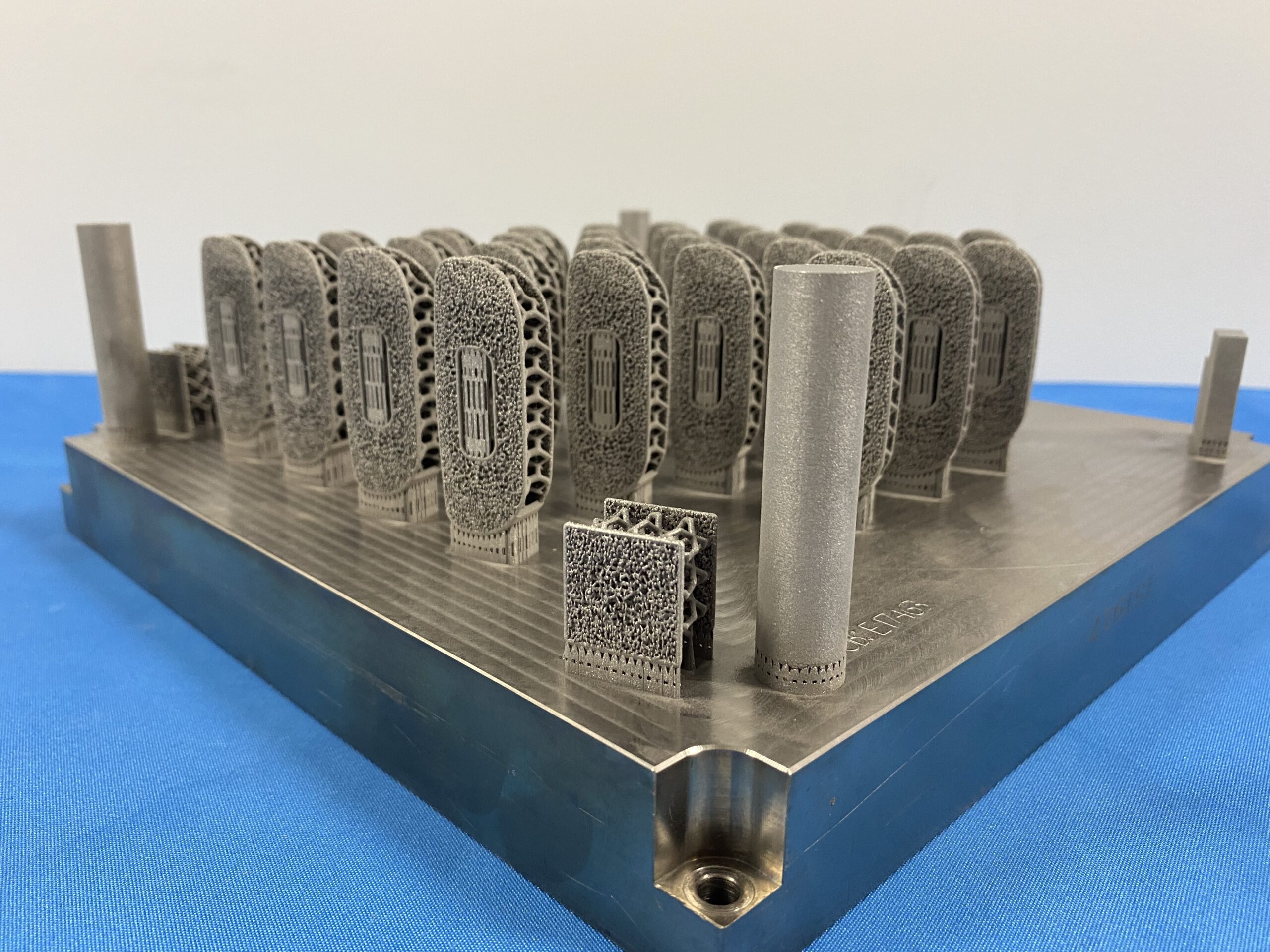
 Spine care is gradually shifting from “standard implants for everyone” to “precision engineering for the individual”.
Safer Spine Surgery: Perioperative Advances Making the Difference
If there is one factor that has most dramatically improved spine surgery outcomes, it is the revolution in perioperative management. Many of the safety gains in spine surgery have not come from the surgeon’s hands alone but from better systems of care surrounding the operation.
Enhanced Recovery After Surgery (ERAS) protocols have transformed the spine surgical pathway. These programs focus on preoperative counselling, optimisation of nutrition and anaemia, meticulous pain control, and early mobilisation. Patients recover faster, complications are reduced, and hospital stays are shortened.
Anaesthesia has also evolved significantly. Total intravenous anaesthesia (TIVA) has become widely adopted for complex procedures, particularly because it is compatible with neuromonitoring. Better haemodynamic control reduces the risk of spinal cord ischaemia, and multimodal pain management reduces opioid dependence.
Modern blood conservation techniques, such as tranexamic acid protocols, cell salvage systems, and restrictive transfusion strategies, have further reduced morbidity—especially in deformity correction surgeries where blood loss can be significant. In short, spine surgery is safer today because the entire ecosystem surrounding the procedure has become safer.
Neuromonitoring: A Silent Guardian in the Operating Room
Intraoperative neuromonitoring (IONM) has become one of the most significant safety innovations in spine surgery. Using tools such as somatosensory evoked potentials (SSEPs), motor evoked potentials (MEPs), and electromyography (EMG), surgeons and neurophysiology teams can continuously monitor the functional integrity of the spinal cord and nerve roots during surgery.
 If the spinal cord is placed at risk during deformity correction, tumour resection, or trauma stabilisation, neuromonitoring provides an early warning—often before permanent damage occurs. The team can then immediately modify the surgical strategy. This real-time functional feedback has played a major role in reducing catastrophic neurological complications and has increased confidence in performing complex spinal reconstructions.
3D Intraoperative Imaging and Navigation: The GPS of Spine Surgery
The spine is anatomically complex, and even a millimetre of error in instrumentation can have serious consequences. This is where intraoperative imaging and navigation have transformed modern spine surgery.
Technologies such as cone beam CT and O-arm imaging allow surgeons to visualise the spine in three dimensions during surgery itself. Combined with navigation platforms, this has improved the accuracy of pedicle screw placement and implant positioning—particularly in deformity surgery, revision cases, and cervical spine instrumentation.
Beyond accuracy, these systems reduce repeated fluoroscopy use, lowering radiation exposure for both patients and operating room staff. Navigation has effectively become the “GPS” of spine surgery.
Robotics and Minimally Invasive Surgery: Precision with Less Trauma
Minimally invasive spine surgery (MISS) has expanded rapidly. The objective is simple: achieve the same decompression or stabilisation with less muscle damage, less blood loss, and faster recovery.
Endoscopic spine surgery has moved beyond simple lumbar discectomy and is now being used for foraminal stenosis, selected thoracic decompressions, and even some cervical procedures. Patients often experience reduced postoperative pain and earlier mobilisation.
Percutaneous fixation techniques have similarly expanded, especially in trauma stabilisation and metastatic spine disease, where reduced surgical trauma is particularly valuable.
 Robotics have added another dimension. Robotic-assisted spine surgery improves consistency and precision in pedicle screw placement, especially in challenging anatomy. When combined with navigation, robotics enhances reproducibility and reduces intraoperative radiation exposure. The future spine surgeon is increasingly supported by imaging, navigation, and robotics working together.
Biologics and Fusion Enhancements: Strengthening the Healing Process
Spinal fusion remains a cornerstone procedure for instability, deformity, and degenerative conditions. While implants provide stability, true success depends on biological healing.
Here too, major advances have emerged. Bone morphogenetic proteins (BMPs), refined graft substitutes, bioactive scaffolds, and composite materials have improved fusion success rates—especially in revision surgery and for high-risk patients such as smokers or osteoporotic individuals.
Stem cell therapy and regenerative medicine are also being explored for both fusion enhancement and disc regeneration. While clinical evidence is still evolving, these strategies represent a major scientific push toward slowing degeneration rather than simply managing its consequences. The spine field is now moving toward a future where biology and engineering work together.
Pain Management: A Shift Away from Opioids
Chronic spinal pain remains one of the most challenging aspects of spine care. Historically, opioid-heavy approaches dominated. Today, pain management has undergone a major paradigm shift.
Multimodal pain strategies now incorporate non-opioid analgesics, neuropathic pain agents, targeted injections, and structured rehabilitation. Interventional pain procedures—such as epidural injections, nerve root blocks, facet joint interventions, and radiofrequency ablation—are increasingly used with greater precision due to improved imaging guidance.
Emerging pharmacological strategies are also exploring biologic targets such as nerve growth factor pathways, aiming for better long-term pain control with fewer side effects. Pain management is no longer about suppressing symptoms; it is increasingly about targeting pain mechanisms.
Neuromonitoring and Stimulation Technologies: Beyond Pain Relief
Perhaps the most exciting frontier in spinal management lies in stimulation technologies. Neuromonitoring has expanded beyond traditional spinal cord stimulation into a broad range of applications.
Modern spinal cord stimulation (SCS) now includes high-frequency and burst waveforms that provide paraesthesia-free relief. Closed-loop systems can automatically adjust stimulation intensity based on real-time neural feedback, improving consistency across posture changes.
Dorsal root ganglion (DRG) stimulation offers highly targeted therapy for focal pain syndromes such as complex regional pain syndrome (CRPS). Peripheral nerve stimulation is similarly expanding, providing minimally invasive solutions for radicular and musculoskeletal pain.
Non-invasive brain stimulation has also entered the discussion. Repetitive transcranial magnetic stimulation (rTMS) is being studied for chronic pain and functional recovery by modulating cortical networks involved in pain perception and movement control.
Even more significant is the growth of autonomic neuromodulation, particularly bladder neuromodulation. Sacral neuromodulation and tibial nerve stimulation are increasingly being used for neurogenic bladder dysfunction, improving continence and reducing infections in patients with spinal cord injury and degenerative disorders.
In spinal cord injury, epidural electrical stimulation has demonstrated promising results in enabling standing, stepping, and improving autonomic stability when combined with intensive rehabilitation. Early research into brain–spine interfaces has taken this concept further, aiming to restore volitional movement by decoding brain signals and activating spinal circuits. The concept of “incurable paralysis” is gradually being challenged—not by surgery alone, but by neuroengineering.
Rehabilitation: Robotics, Exoskeletons, and Immersive Recovery
Rehabilitation has become the final—and perhaps most decisive—pillar of spinal recovery. Traditional physiotherapy remains fundamental, but modern rehabilitation is increasingly powered by advanced technology.
Robotic exoskeletons now allow spinal cord injury patients to stand and walk with assistance, offering not only mobility but also significant systemic benefits such as improved cardiovascular health, reduced osteoporosis, improved bowel function, and psychological well-being.
Body-weight supported treadmill training has become a standard neurorehabilitation tool, allowing repetitive gait cycles with controlled loading. This high-repetition, task-specific training is critical for neuroplasticity and functional improvement. Robotic rehabilitation devices further enhance consistency, repetition, and objective progress measurement—something conventional therapy cannot always deliver.
Virtual reality (VR) has introduced immersive rehabilitation environments that increase patient motivation and adherence, turning repetitive exercises into engaging tasks. Augmented reality (AR) adds another dimension by overlaying posture and alignment guidance onto real-world movement, improving precision in motor learning.
Wearable sensors and tele-rehabilitation platforms now allow clinicians to monitor patient recovery remotely, extending expert care into homes and under-served regions. Rehabilitation has moved from being “supportive care” to becoming a high-tech science of functional restoration.
A New Spine Era
Spinal management is no longer defined by surgery alone. It is now a continuum that begins with prevention, progresses through precision diagnosis and safe intervention, and extends into neuromodulation and advanced rehabilitation.
The spine field is entering an era where the goals are not merely decompression and fixation, but:
Reducing disability before it begins.
Improving surgical safety and predictability.
Targeting pain pathways more intelligently.
Restoring neurological function through stimulation technologies.
Rebuilding independence through robotics and immersive rehabilitation.
The future of spine care will likely be defined by precision medicine, artificial intelligence, biologics, robotics, and neuroengineering, working together to deliver outcomes that were once unimaginable. Spinal care is no longer just about treating the spine—it is increasingly about restoring the person.
(The author is Director of Spine & Rehabilitation, Sri Balaji Action Medical Institute; President, Spinal Cord Society & Association of National Board Accredited Institutions, New Delhi)