
Spreading Global Tentacles
As we mark World Malaria Day 2026, the global health community is confronting the epic “Paradox of Progress.”
By Prof (Dr) Aditi Aikat / Dr Suneela Garg
We now have 47 countries and one territory certified malaria-free, but the finish line seems to be moving ever farther away. The world reported 282 million cases and 610,000 deaths in 2024, higher than the previous year. This stalling is perhaps most evident in Vanuatu (Oceania), where cases jumped from a record low of 322 in 2021 to 1,995 in 2023. Fuelled by the “multiplier effect” of climate events such as Tropical Cyclones Kevin and Judy, along with devastating diagnostic failures, Vanuatu’s crisis serves as a cautionary tale for the world.
The theme for 2026, “Driven to End Malaria: Now We Can. Now We Must,” captures this strategic juncture. Science has proved the “Now We Can” part, but biological and financial headwinds are testing our operational resilience.
 The Silent Failure of Our Greatest Tools
We are now losing our biological “return on investment” (ROI) because parasites are outpacing our current chemotherapy and diagnostic infrastructure. This is not stepwise erosion; it is a “silent failure” in which our principal interventions are being “hacked” by evolution.
Resistance to Artemisinin in the Ring Stage: Artemisinin resistance, affecting the mainstay of global treatment, has now been reported in Eritrea, Rwanda, Uganda and the United Republic of Tanzania. This resistance relates specifically to the “ring stage” of the parasite cycle, with a potentially lethal prolongation of parasite clearance, allowing the disease to continue and spread dangerously.
Invisible Parasites: The spread of pfhrp2 gene deletions has made the disease “invisible.” These genetic mutations can make classic rapid diagnostic tests (RDTs) produce false-negative results. This systematic diagnostic failure, now documented in 46 endemic countries, was a major driver of the resurgence in Vanuatu.
 The Evolutionary Certainty: Dr Martin Fitchet, head of Medicines for Malaria Venture, Geneva, Switzerland, says that although we can prolong the effectiveness of existing medicines, “outright drug failure” is an “evolutionary certainty.” We are using tools that the enemy is quickly learning to ignore.
The $5.4 Billion Gap: A Strategic Blindfold
There is a catastrophic disconnect between scientific potential and financial reality. Global investment in 2024 stood at only $3.9 billion — less than half of the $9.3 billion needed in 2025. This $5.4 billion shortfall is no longer a mere budget line; it is a death sentence. The cost of this gap can be measured in Zambia. According to modelling by the Malaria Atlas Project, sustained support at 2025 levels could have prevented up to 392,486 malaria cases and 3,610 malaria deaths in Zambia. Instead, funding cuts from critical donors such as the US President’s Malaria Initiative (PMI) have affected “non-lifesaving” interventions such as surveillance and Social and Behaviour Change Communication (SBCC). Strategically, cutting surveillance at a time when parasites are developing gene deletions is a grave mistake. It creates a “strategic blindfold.” “We cannot fight an enemy we don’t understand,” warns Dr Daniel Ngamije, WHO Director of Malaria and Neglected Tropical Diseases. Surveillance is not a luxury; it is the only way to monitor “invisible” mutations and maintain operational control.
Invasive Urban Threat: Anopheles stephensi
Malaria is no longer merely a “poor man’s rural disease.” The spread of Anopheles stephensi across the continent has effectively shifted the arena of war to densely populated urban locations. This invasive species is transformative for three reasons:
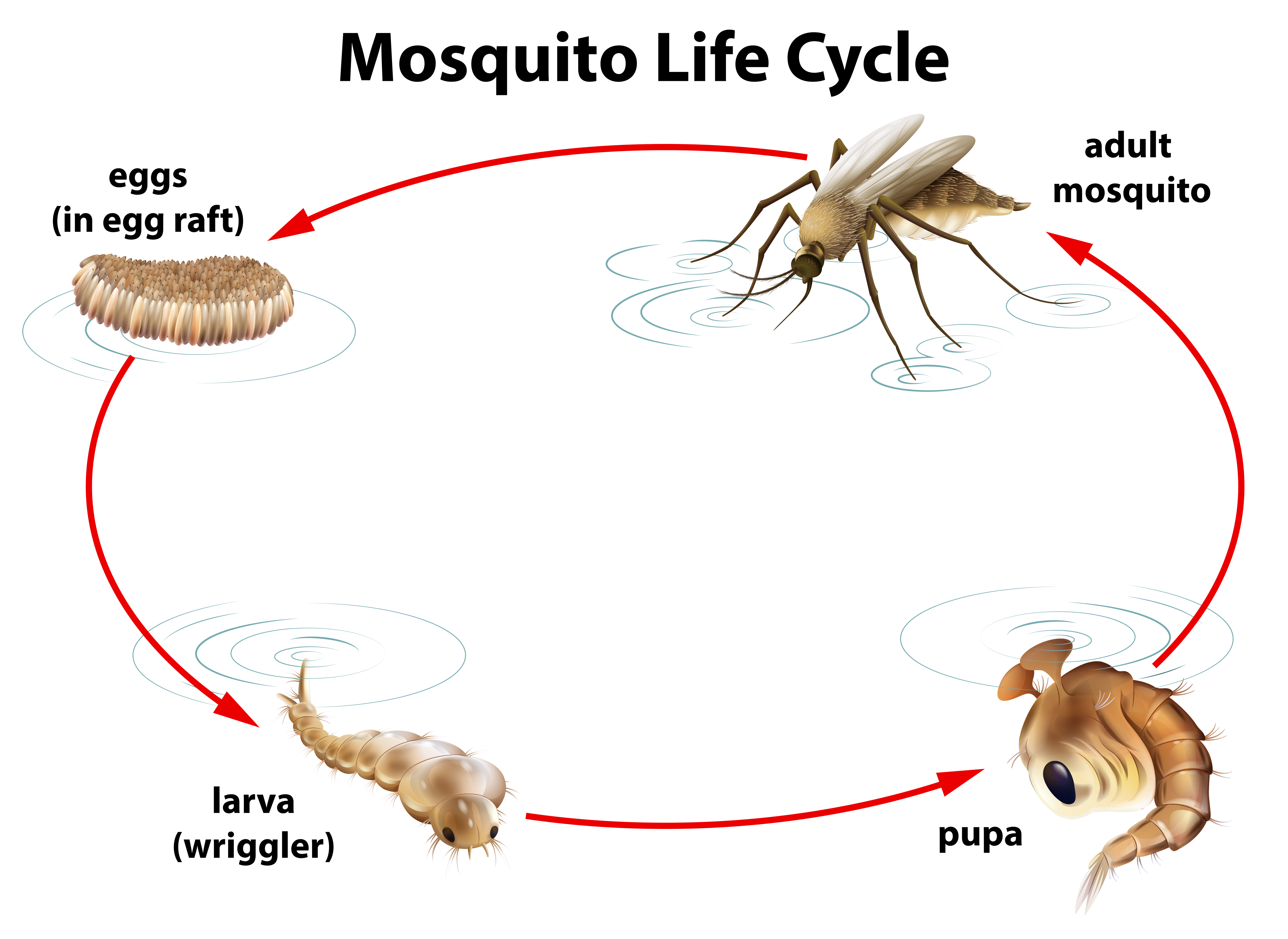
Urban adaptability: Unlike traditional vectors, it thrives in man-made water containers and urban infrastructure.
Insecticide resistance: It is resistant to chemicals used in traditional bed nets and indoor spraying.
A precision challenge: Traditional “broad-spectrum” control is not sufficient because it breeds in diverse urban micro-environments. A shift towards Precision Public Health is therefore needed.
 The Genetic Frontier: Gene Drive-Modified Mosquitoes (GDMMs)
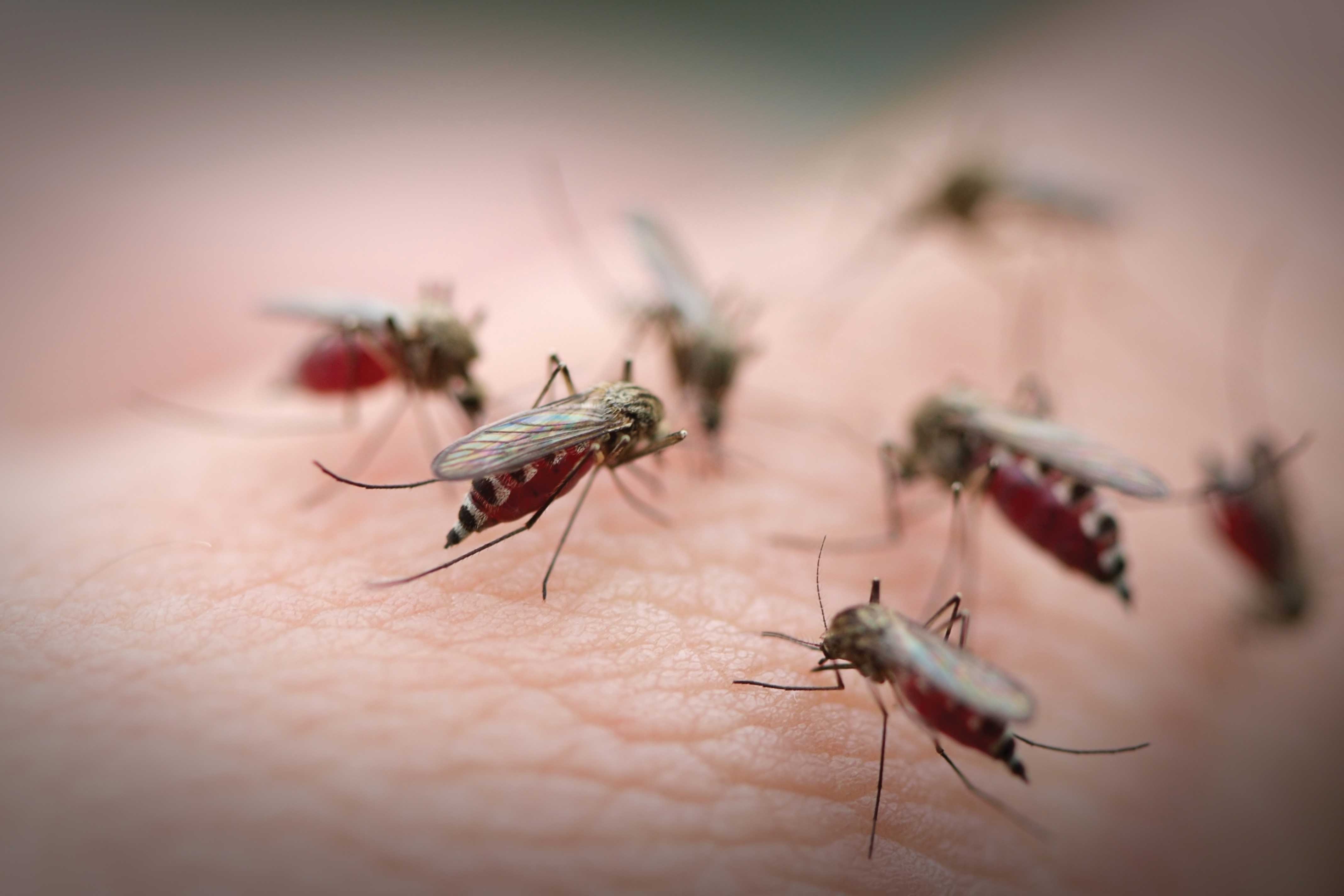
With conventional tools failing, a radical — though controversial — approach is emerging on the “Genetic Frontier.” Gene Drive-Modified Mosquitoes (GDMMs) offer a more specific tool for vector control than broad-spectrum chemical pesticides. The global health community is now evaluating so-called “low-threshold” gene drives — systems that can rapidly spread a modification after a small initial release and may continue indefinitely thereafter. Decision-makers are considering two main genetic strategies:
Population suppression: Target mosquitoes to wipe out the local population and eliminate the vector altogether.
Population modification: Use this strategy to make mosquitoes biologically incapable of carrying the malaria parasite, thereby neutralising the vector without removing it from the food web.
 The tension points to the “Now We Must” imperative: advocates are pushing for a quicker pace to save lives, while environmental safety monitoring, as illustrated by VeriXiv studies, still calls for the “slower, patient work” of protecting biodiversity.
Vaccine Revolution: A Fragile Moment
For children under five, the rollout of R21/Matrix-M and RTS,S vaccines in 25 countries is a historic win. According to UNICEF, Zambia has already become the 24th country to introduce the R21 vaccine, and the first phase of the rollout saw 532,000 doses administered across 83 districts — 79 high-burden and four moderate-burden districts. For caregivers like Chimwemwe Mawlelele, the vaccine is a hopeful reminder: “I will encourage my fellow mothers to bring their babies for vaccination, so that their babies don’t get very sick.” But this revolution is delicate. It depends on the “cold chain” — the technical infrastructure necessary to keep vaccines potent. Technicians such as Lloyd Andrew work with a newly strengthened technical workforce in Zambia, trained in solar-powered refrigeration. If funding for this “last-mile” maintenance continues to shrink, vaccine doses may lose potency before they reach a child’s arm.
 An Obligation, Not Merely an Option
Science has given us the “Now We Can.” We have vaccines, dual-insecticide nets and the power of genetic technologies. But plateaued progress in Africa, and resurgence in climate-affected regions such as Vanuatu, suggest that tools alone are not enough. We need a Precision Public Health approach — one that uses artificial intelligence, geospatial mapping and real-time data to ensure that every dollar of the $3.9 billion available serves the population more efficiently. We can end, in our lifetime, a disease that kills hundreds of thousands of children. Failure to finance these proven interventions is not due solely to limited resources; it is also a failure of global solidarity. The prospect of elimination has never been greater, but neither has the price of letting it slip away.
(The authors are Professor & Head, Department of Community Medicine, Dean Students’ Affairs, JIMSH, Central Campus, Kolkata/ Professor Emeritus, National Academy of Medical Sciences, Ministry of Health and Family Welfare; Professor of Excellence and Ex Sub-Dean, MAMC, New Delhi)