
Pushpanjali Medical Centre Holds Session on Loneliness and Depression
In an era of constant connectivity yet deep emotional isolation, loneliness and depression are rapidly emerging as some of the most serious mental health challenges of our time.
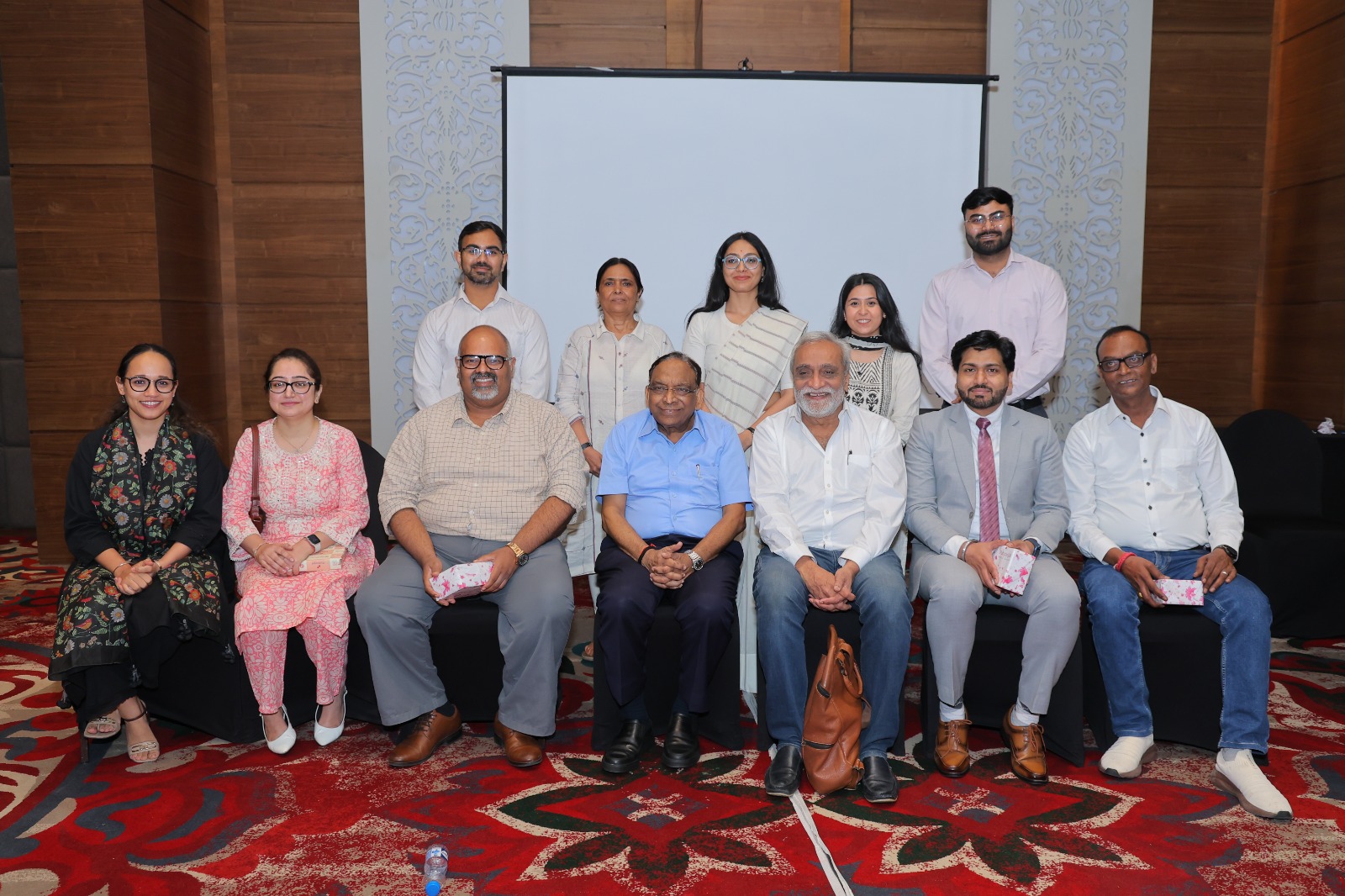
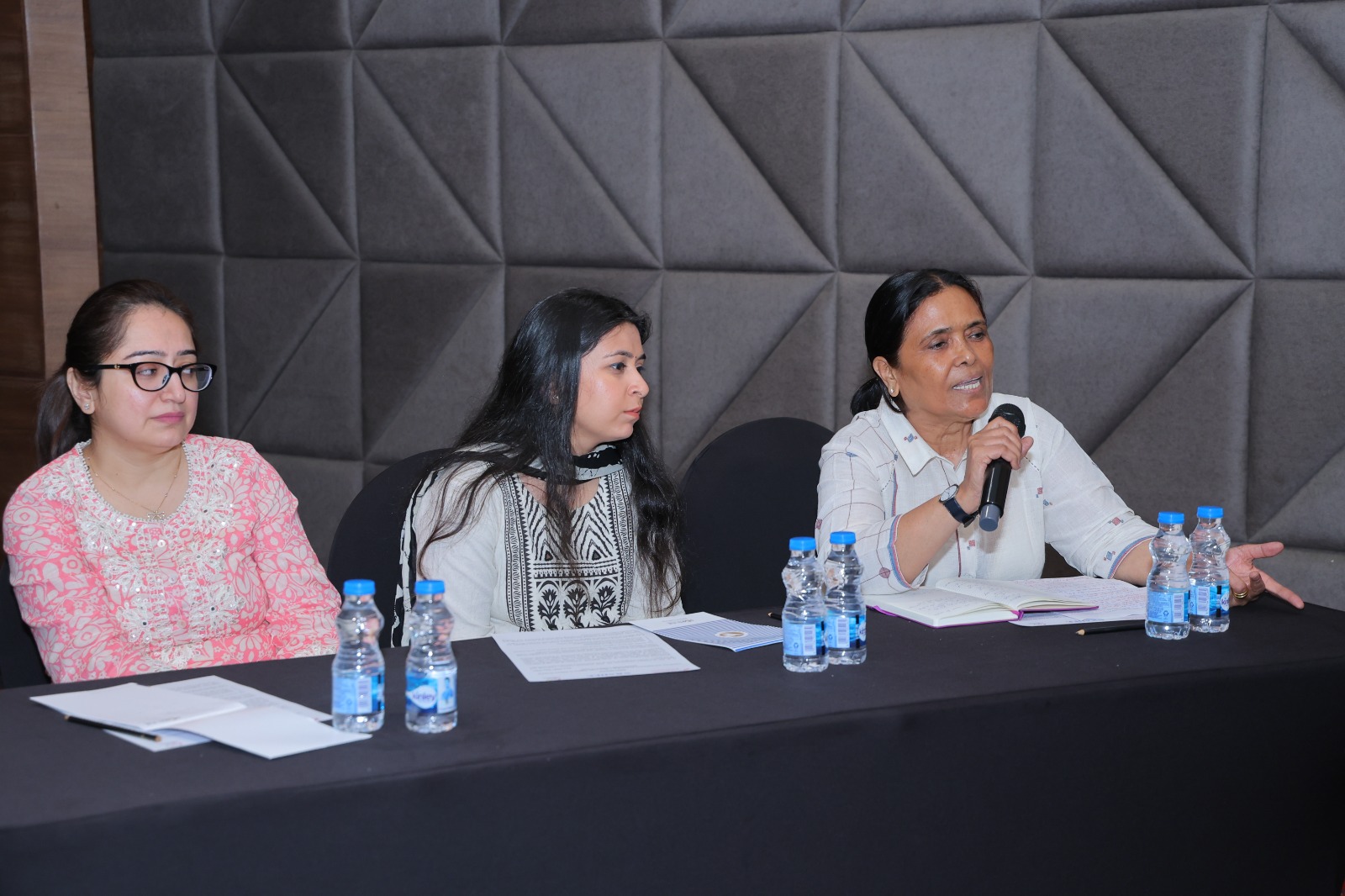
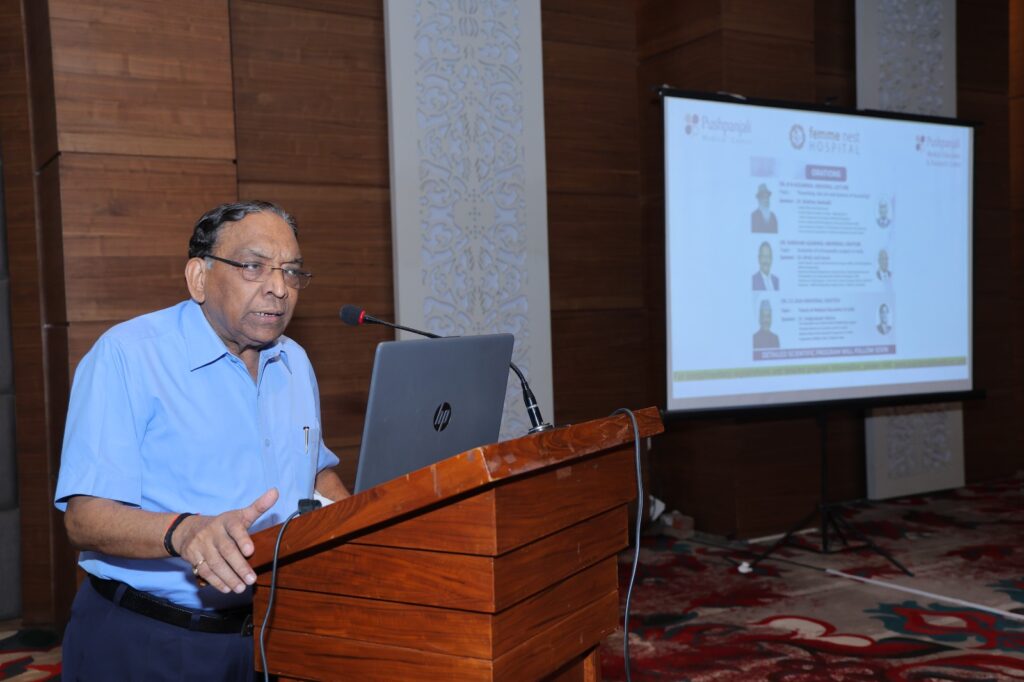
Pushpanjali Medical Education and Research Centre, in collaboration with RAHEE and the Subhashan Foundation, recently organised a focused mental health session titled “Loneliness and Depression: Implications & Solutions.”
The session featured distinguished speakers such as Prof (Dr) Nimesh Desai, Former Director, IHBAS; Dr Harijit Singh Bhatti, Healthy Ageing Activist and Geriatric Specialist, New Delhi; and Dr Deepika Verma, Consultant Psychiatrist, Pushpanjali Medical Centre. The session was moderated by Poonam Gaur, Counsellor and Director, RAHEE, along with Rashmi Dhuriya, Founder & Lead Clinical Psychologist, STHIR – The Mind’s Clinic. The panel discussion was moderated by Dr Druhin Grover, Consultant Psychiatrist, and Dr Prabhani Bindra, Consultant Psychiatrist, Pushpanjali Medical Centre.
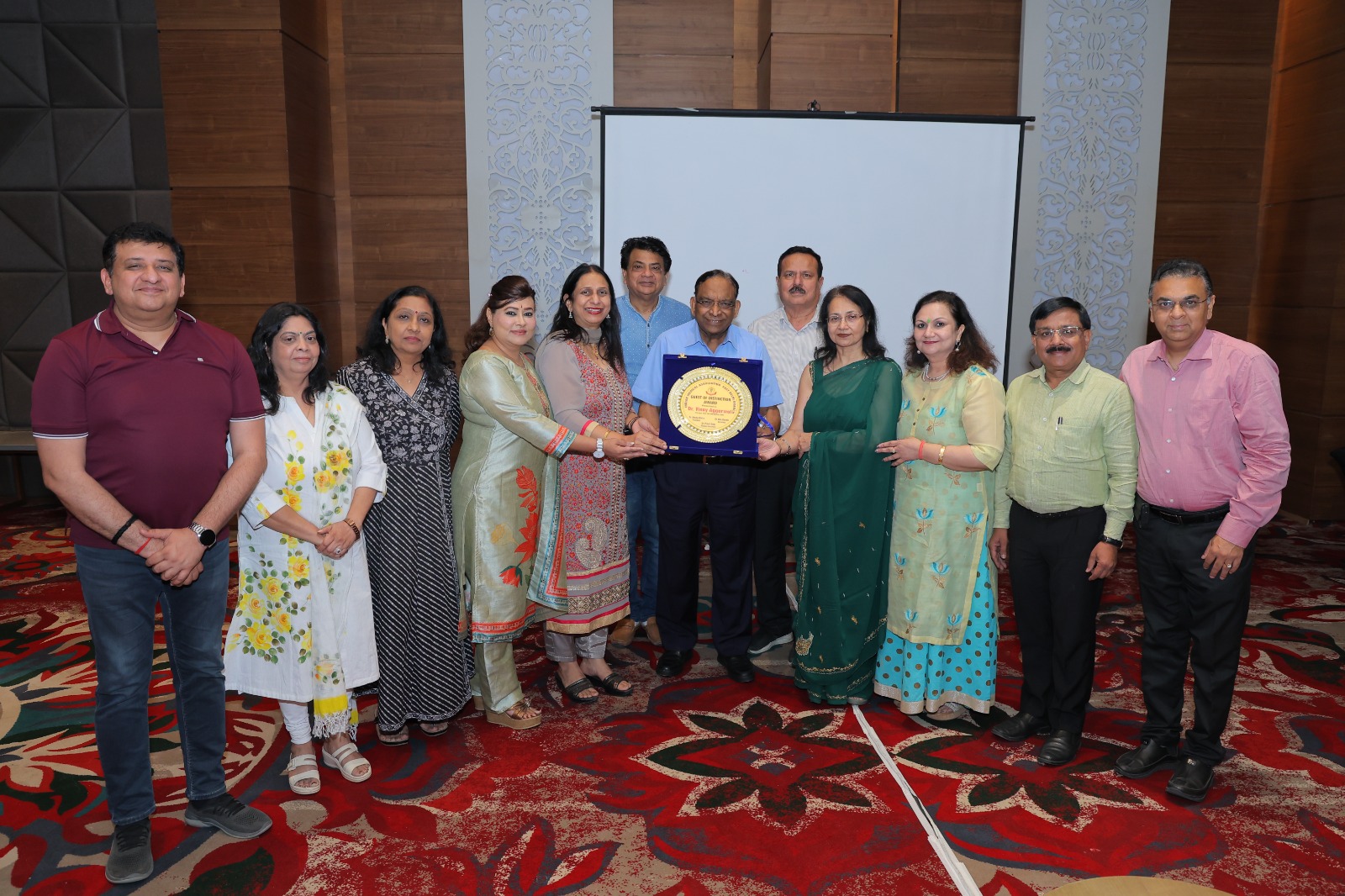
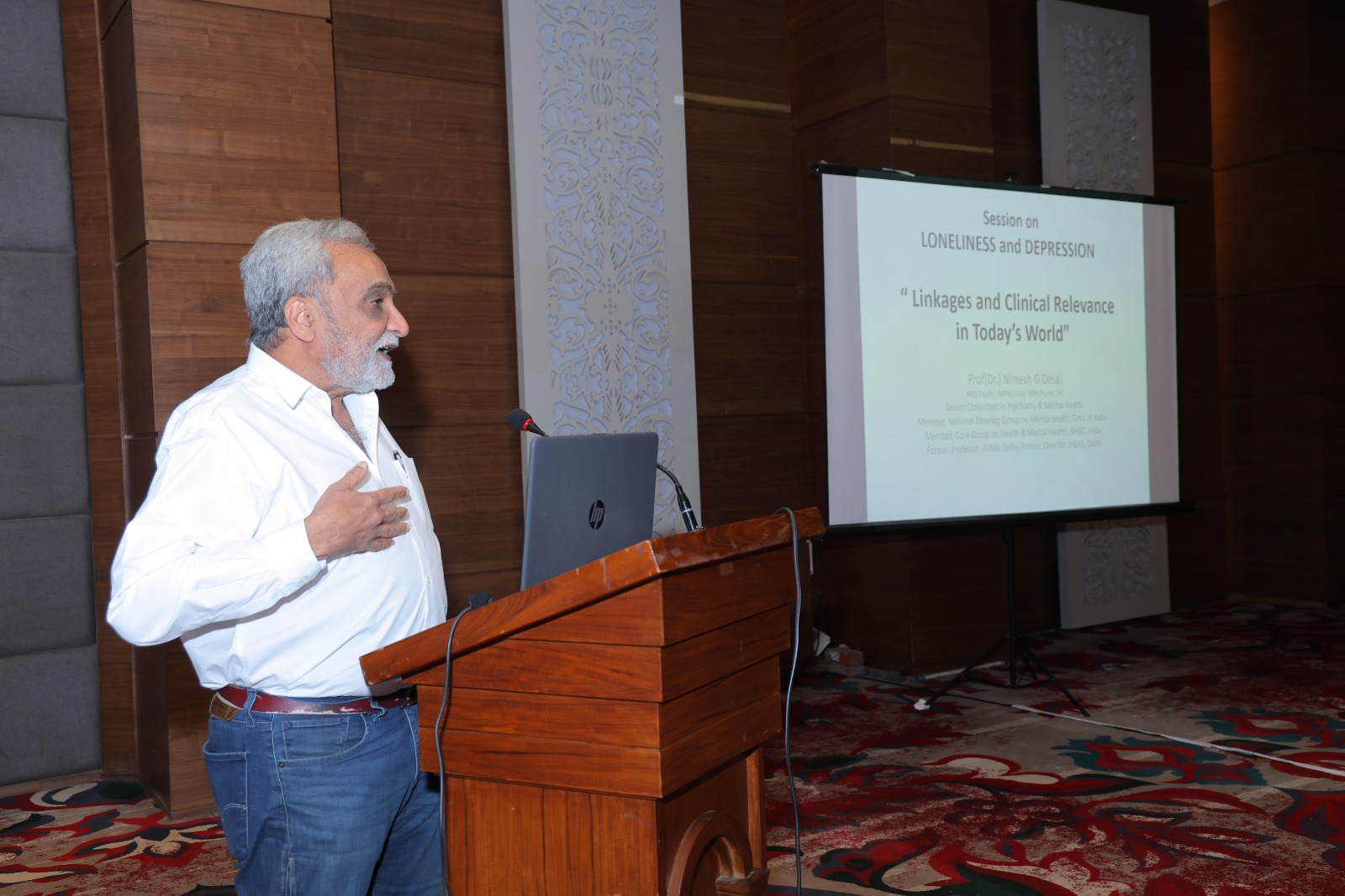
Dr Vinay Aggarwal, Chairman & Managing Director, said, “Around the world, an invisible threat is increasing the risk of disease, shortening lives, and fraying the fabric of our communities. Social disconnection — when a person lacks sufficient social contact, feels unsupported in their existing relationships, or experiences negative or strained connections — is an increasingly serious but often overlooked danger to health and well-being. There are several forms of social disconnection, including loneliness and social isolation.”
Dr Vinay Aggarwal added, “Today nearly one in six people globally report feeling lonely. Among adolescents and young adults, as well as people living in low-income countries, the rate is even higher. But loneliness and social isolation are not just emotional states. We now have irrefutable evidence that social health — our ability to form and maintain meaningful human connections — is just as essential to our well-being as physical and mental health. Yet for too long, it has been ignored by health systems and policymakers alike.”
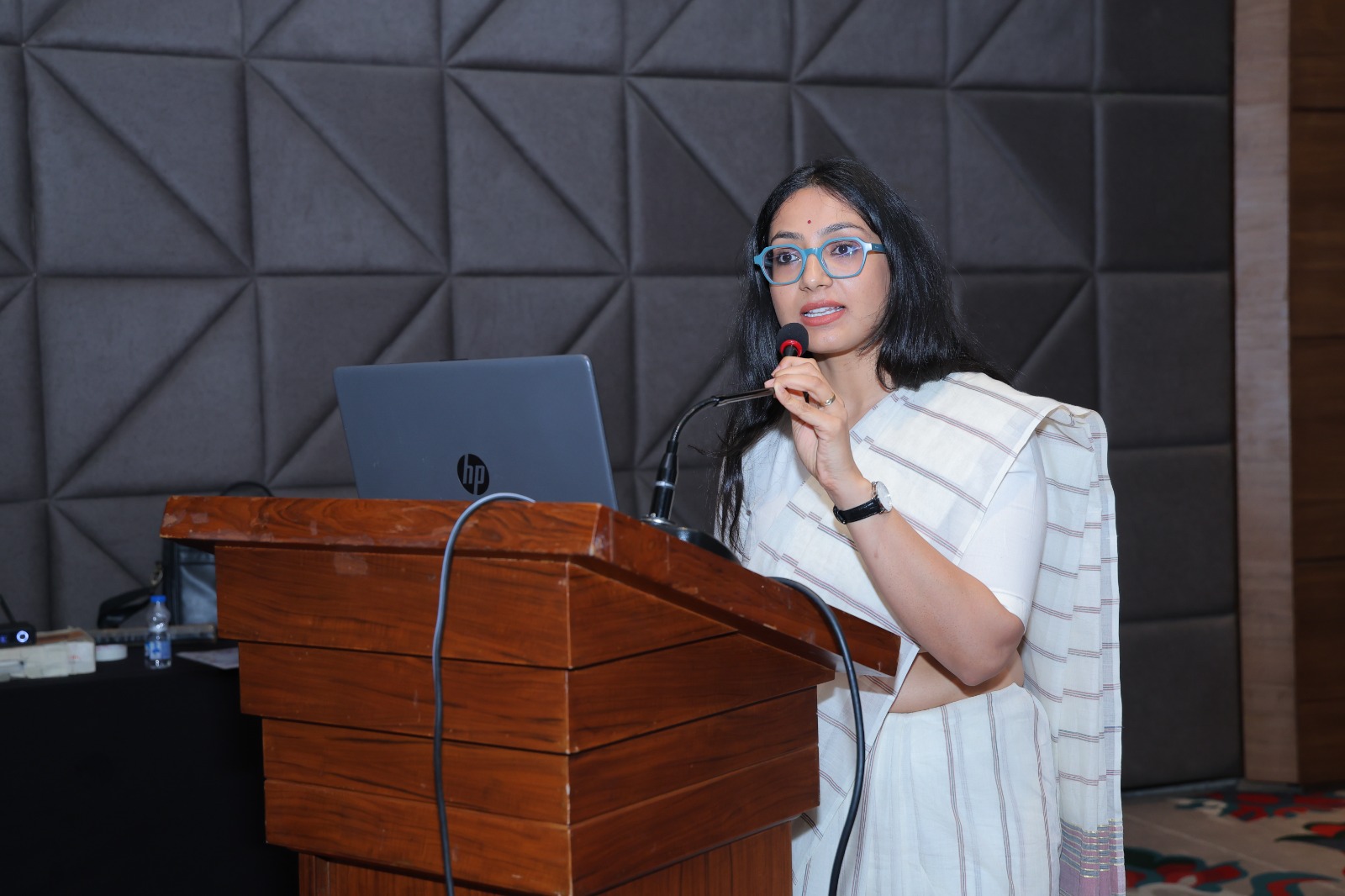
Recognising this urgent need, the experts warned that loneliness is no longer just an emotional state — it is a significant risk factor linked to depression, anxiety, and even physical health conditions. Senior citizens, working professionals, and youth alike are increasingly vulnerable.
The session brought together leading psychiatrists and mental health professionals to decode the hidden signs of depression, address the impact of social isolation, offer practical, real-world coping strategies, and encourage open conversations around mental health. On this occasion, a thought-provoking street play was performed by the Asmita Theatre Group. It highlighted the lived realities of those silently struggling, making the issue more relatable and urgent. Organisers emphasised that breaking the silence is the first step toward healing, and that such platforms are crucial for normalising help-seeking behaviour and building emotionally supportive communities.