
Gaps in Care
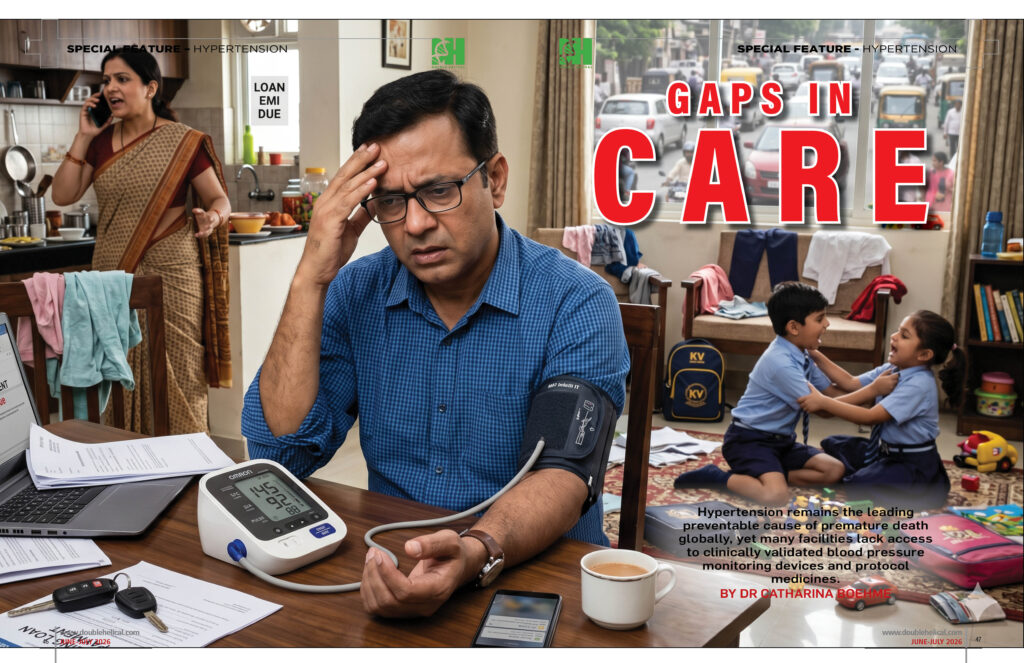
Hypertension remains the leading preventable cause of premature death globally, yet many facilities lack access to clinically validated blood pressure monitoring devices and protocol medicines.
By Dr Catharina Boehme
Hypertension significantly raises the risk of heart attack, stroke, and kidney disease, and remains the leading preventable cause of premature death worldwide. It afflicts an estimated 1.4 billion people globally, including more than 273 million people in the WHO South-East Asia Region—over 159 million of whom remain entirely unaware of their condition. Almost eight in 10 people with hypertension in the Region do not have their blood pressure under control, placing a significant burden on individuals, families, and health systems, while drastically increasing the risk of severe complications.
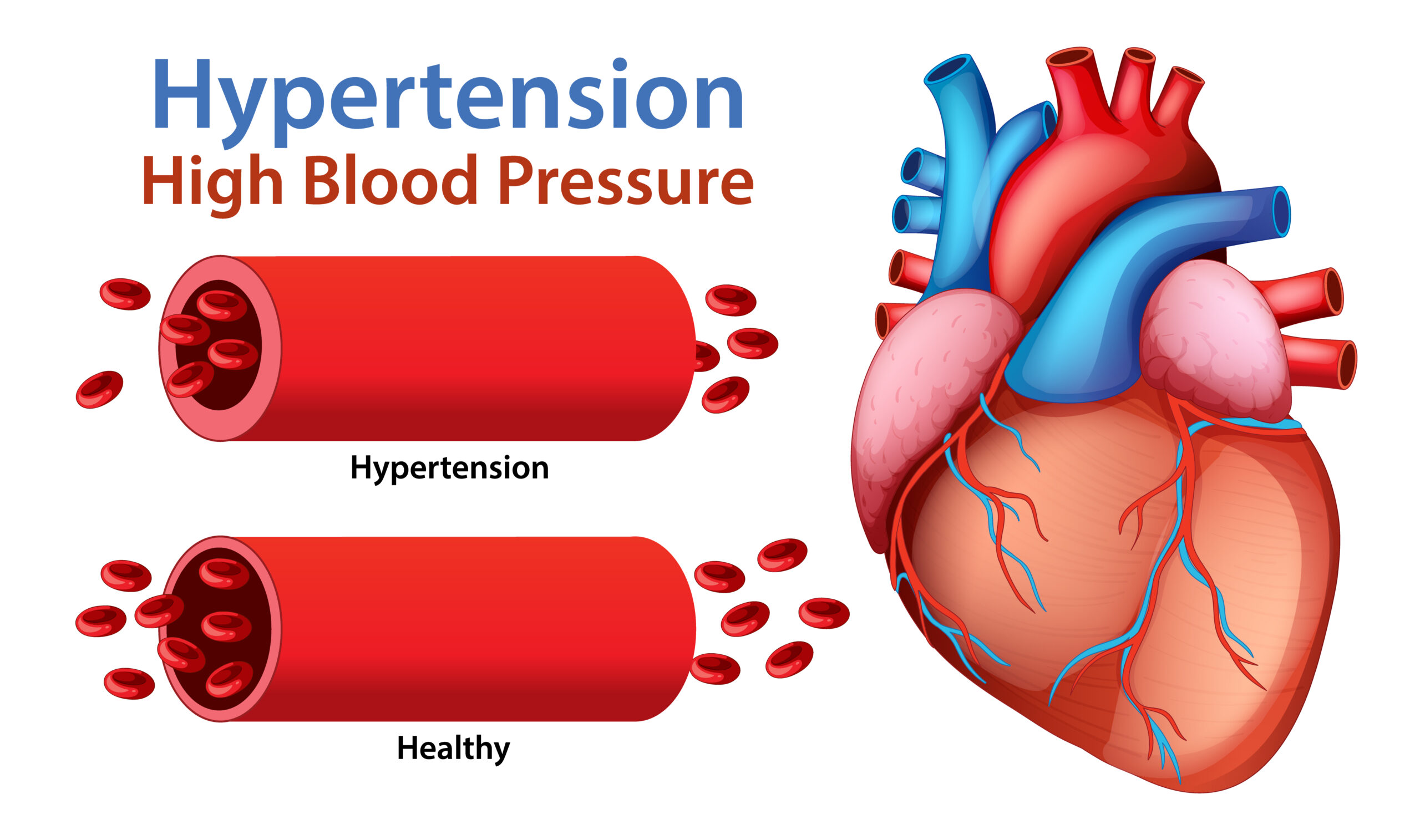
The theme for World Hypertension Day this year, “Controlling Hypertension Together: Check Your Blood Pressure Regularly, Defeat the Silent Killer,” is both a rallying call and a practical reminder urging individuals to know their numbers, while reinforcing coordinated action across communities, health systems, and policymakers. Hypertension is both preventable and manageable, starting with the simple first step of regular blood pressure measurement, followed by timely action through lifestyle changes or medical treatment. Healthy diets, avoiding tobacco, reducing alcohol intake, and regular physical activity can significantly reduce overall health risks. Where lifestyle changes alone are insufficient, affordable and effective treatments are widely available and can prevent serious complications when taken consistently.
Much progress has been made across the Region. Through the WHO SEAHEARTS initiative, over 68.5 million people with hypertension were placed on protocol-based management as of December 2025, and most public healthcare facilities now follow standardised treatment protocols. The Region also successfully achieved the target to reduce salt exposure, with 2.08 billion people being covered by at least one WHO SHAKE technical package measure. In parallel, 2.03 billion people gained protection from industrial trans fats through best-practice frameworks, thereby exceeding the original 2 billion target.

Looking ahead, the Region has committed to extend SEAHEARTS milestones for 2030: 100 million people with hypertension to be placed on protocol-based management, with 60 million having controlled blood pressure by 2030. This ambitious roadmap is aligned with the global target set out in the political declaration from the Fourth UN High-Level Meeting on Noncommunicable Diseases in 2025.
Yet, critical gaps remain. Of those currently on protocol-based management, only 15.3 million have their blood pressure under control at the facility level. Many facilities still lack access to clinically validated blood pressure monitoring devices. Stockouts or limited dispensing of protocol medicines persist, and the inclusion of single-pill combination medicines in national essential medicines lists and primary care supply chains remains insufficient. Furthermore, only six countries in the Region currently report blood pressure control data at the primary healthcare level.
WHO Calls on All Partners to Act
Governments must implement policies that reduce risk factors, including promoting healthier food environments, physical activity, and stronger tobacco and alcohol control. They must ensure equity by strengthening primary healthcare; ensuring access to diagnosis and treatment is absolutely critical to reducing regional disparities.
Regulatory authorities should work closely with manufacturers to expand access to affordable, validated blood pressure monitors for both home and facility use.
Healthcare providers must prioritise early detection, patient education, and continuous, uninterrupted care.
Communities and civil society have a crucial role in raising awareness, reducing stigma, and supporting healthier choices at the household level.
Individuals must check their blood pressure regularly, as this is the simplest—yet most crucial—first step toward long-term health.
On World Hypertension Day, let us renew our commitment to act with urgency and unity to promote regular blood pressure checks, improve access to quality care, and support healthier choices for all. Together, we can control hypertension and defeat this silent killer.
(The author is Officer-in-Charge, WHO South-East Asia)