

Cutting-Edge Breakthroughs
Technology is transforming the fight against cancer.
With rapid advancements, surgery remains the most effective of all options available for cancer treatment. In fact, surgery has a part to play at all stages from diagnosis to palliation. Cancer surgery is a highly specialised branch requiring years of intense training, a multidisciplinary team, and good paramedical backup.
Cancer is a group of several hundred entities that can begin almost anywhere in the body. It happens when normal cells in the body change from their native state and grow uncontrollably. These cells may form a mass called a tumour. A tumour can be either malignant (cancerous, meaning it can spread to other parts of the body) or benign (noncancerous). However, some cancers do not form solid tumours. These are called haematological malignancies. They include leukaemia, most types of lymphoma, and myeloma (cancer of the plasma cells in the bone marrow, the spongy tissue inside bones).
Types of Surgery
Diagnostic: For most types of cancer, biopsy is the only way to make a definitive diagnosis. During a surgical biopsy, the surgeon makes a cut in the skin and removes some or all of the suspicious tissue. There are two main types of surgical biopsies. An incisional biopsy is the removal of a piece of the suspicious area for examination. An excisional biopsy is the removal of the entire suspicious area, such as an unusual mole or a lump.
After a biopsy, the tissue removed is examined under a microscope by a pathologist. A pathologist is a doctor who specialises in interpreting laboratory tests and evaluating cells, tissues, and organs to diagnose disease. The pathologist provides a pathology report to the surgeon or oncologist, who makes the diagnosis.
Staging: Staging surgery is performed to find out the size of the tumour and if or where it has spread. This often includes removing some lymph nodes (tiny, bean-shaped organs that help fight infection) near the cancer to find out if it has spread there. Together with the physical examination, biopsy, and results of laboratory and imaging tests, this surgery helps the doctor decide which kind of treatment is best and predict the patient’s prognosis, that is, the chance of recovery.
Tumour removal, also called curative or primary surgery: The most common type of cancer surgery is the removal of the tumour and some of the tissue surrounding the tumour. The tissue surrounding the tumour is called the margin. Tumour removal may be the only treatment, or it may be combined with chemotherapy, radiation therapy, or other treatments, which may be given before or after surgery. Conventional surgery requires large cuts, called incisions, through skin, muscle, and sometimes bone. However, in some situations, surgeons can use less invasive techniques, which may speed up recovery and reduce pain afterwards.
Debulking: When complete removal of a tumour is not possible or might cause excessive damage to the body, surgery is used to remove as much of the tumour as possible. Other treatments, such as radiation therapy or chemotherapy, may sometimes also be used to shrink the remaining cancer.
Palliation: Palliative surgery is used to relieve side effects caused by a tumour. It plays an important role in improving quality of life for patients with advanced cancer or widespread disease. Surgery may be used to help relieve pain or restore physical function if a tumour presses on a nerve or the spinal cord, blocks the bowel or intestines, or creates pressure or blockage elsewhere in the body. Surgery may be used to help stop bleeding. When surgery is needed to stop bleeding, a common technique is suture ligation, which involves tying blood vessels using surgical thread. Surgery may also be used to insert a feeding tube or tubes that deliver medications, or to prevent broken bones by inserting a metal rod into weakened bones.
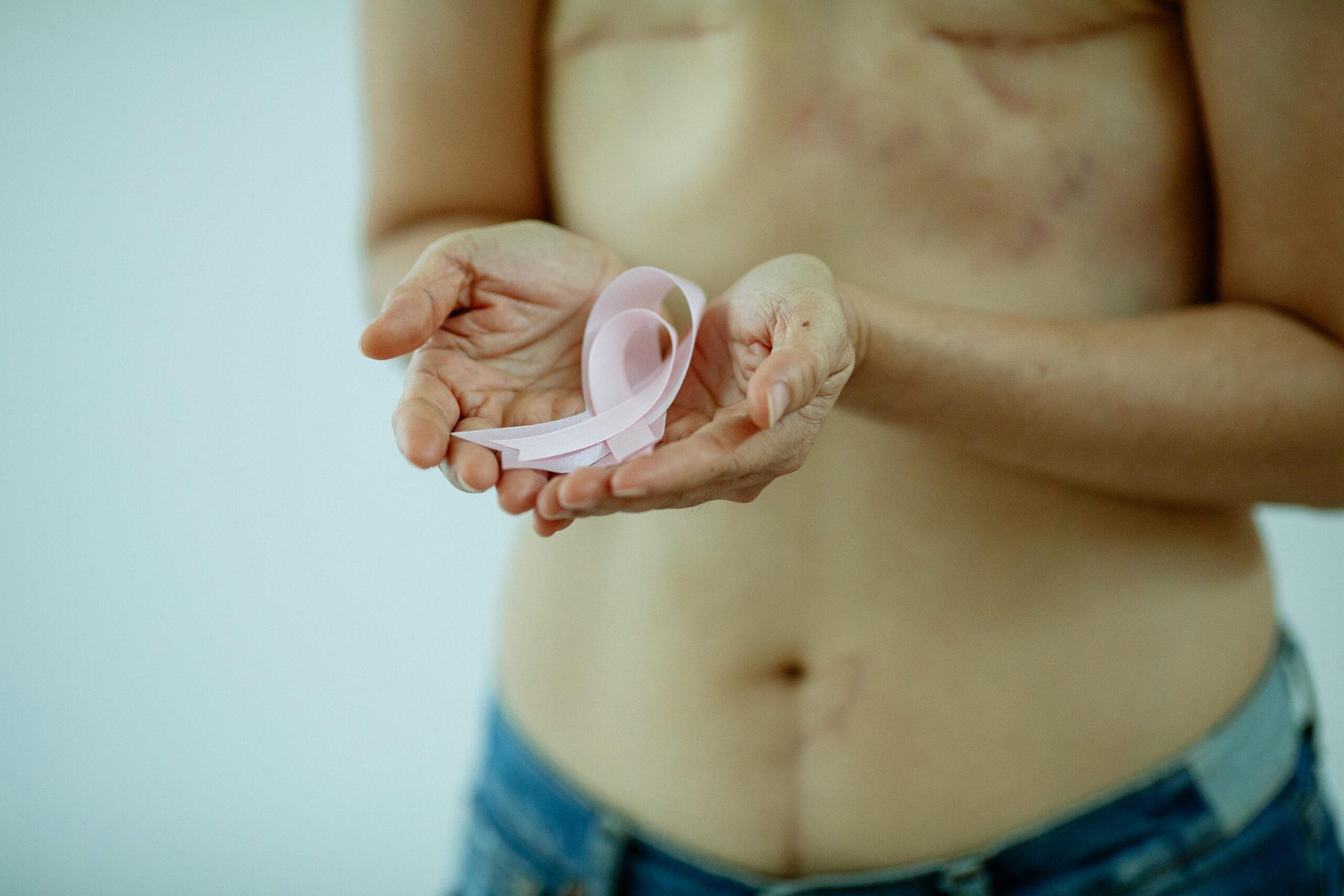
Reconstruction: After primary cancer surgery, surgery may be an option to restore the body’s appearance or function. This is called reconstructive or plastic surgery. Reconstructive surgery may be done at the same time as tumour removal, or later after a person has healed or received additional treatment. Examples include breast reconstruction after a mastectomy and surgery to restore appearance and function after head and neck cancer surgery.
Prevention: Some surgery is performed to reduce the risk of developing cancer. For example, doctors often recommend the removal of precancerous polyps in the colon to prevent colon cancer. In addition, women with a strong family history of breast or ovarian cancers or known mutations to the BRCA1 and BRCA2 genes may decide to have a mastectomy (removal of the breast) or an oophorectomy (removal of the ovaries) to lower their future cancer risk.
Types of Minimally Invasive Surgery
As mentioned above, conventional surgery often requires large incisions. However, in some situations, surgery can be performed through one or more small incisions, which typically results in shorter recovery times and less pain afterwards. Minimally invasive surgery is in increasing demand these days, but it is a highly specialised field.

Below are some examples of minimally invasive procedures and surgeries:
Laparoscopic surgery: The doctor performs surgery through small incisions in the skin using a thin, lighted tube with a camera. Laparoscopy refers to minimally invasive surgery of the abdomen, while mediastinoscopy and thoracoscopy are terms used when the same type of procedure is performed in the chest.
Laser surgery: The doctor uses a narrow beam of high-intensity light to remove cancerous tissue.
Cryosurgery: The doctor uses liquid nitrogen to freeze and kill abnormal cells.
Mohs micrographic surgery (also called microscopically controlled surgery): The dermatologist shaves off a skin cancer, one layer at a time, until all cells in a layer appear normal when viewed under a microscope.
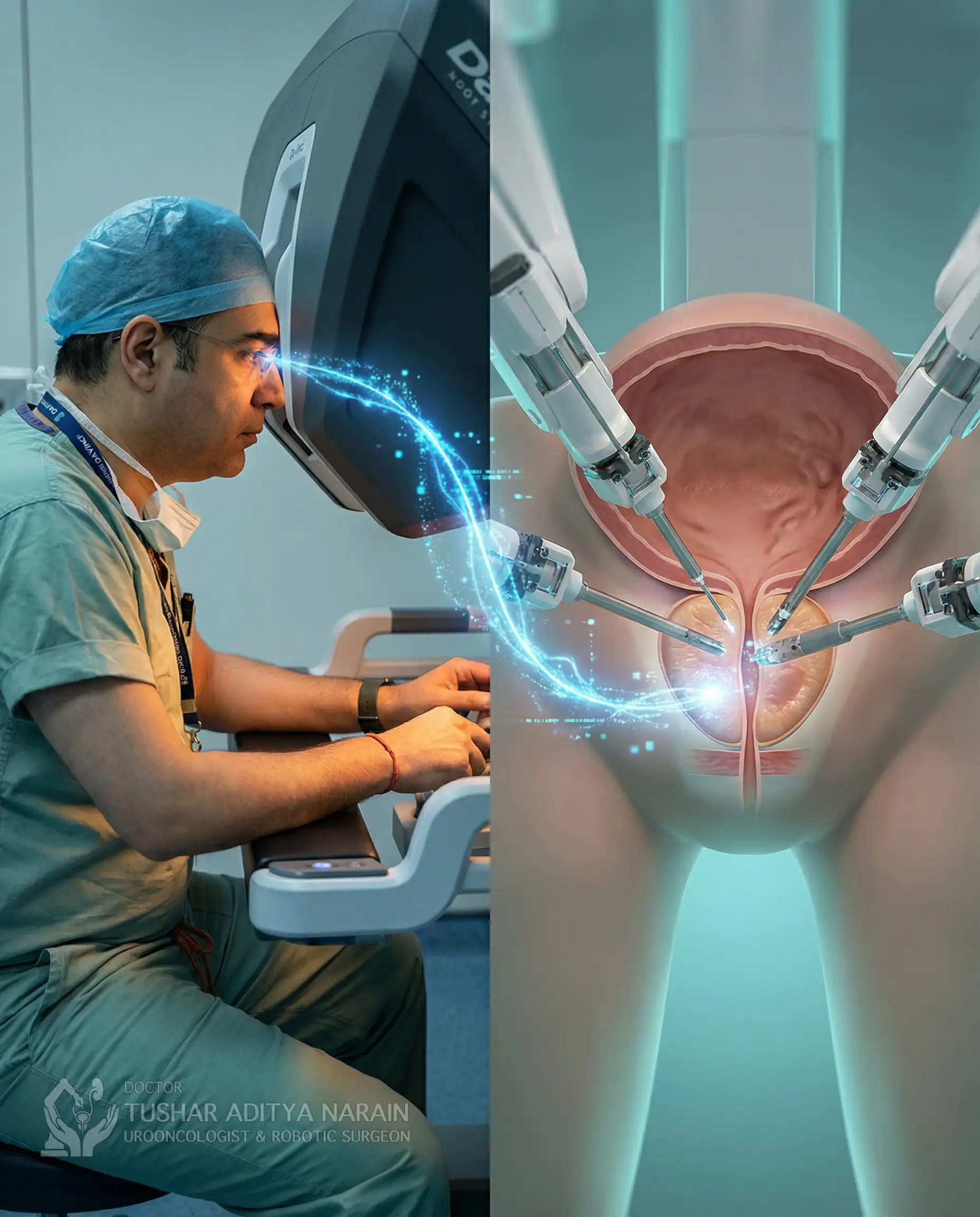
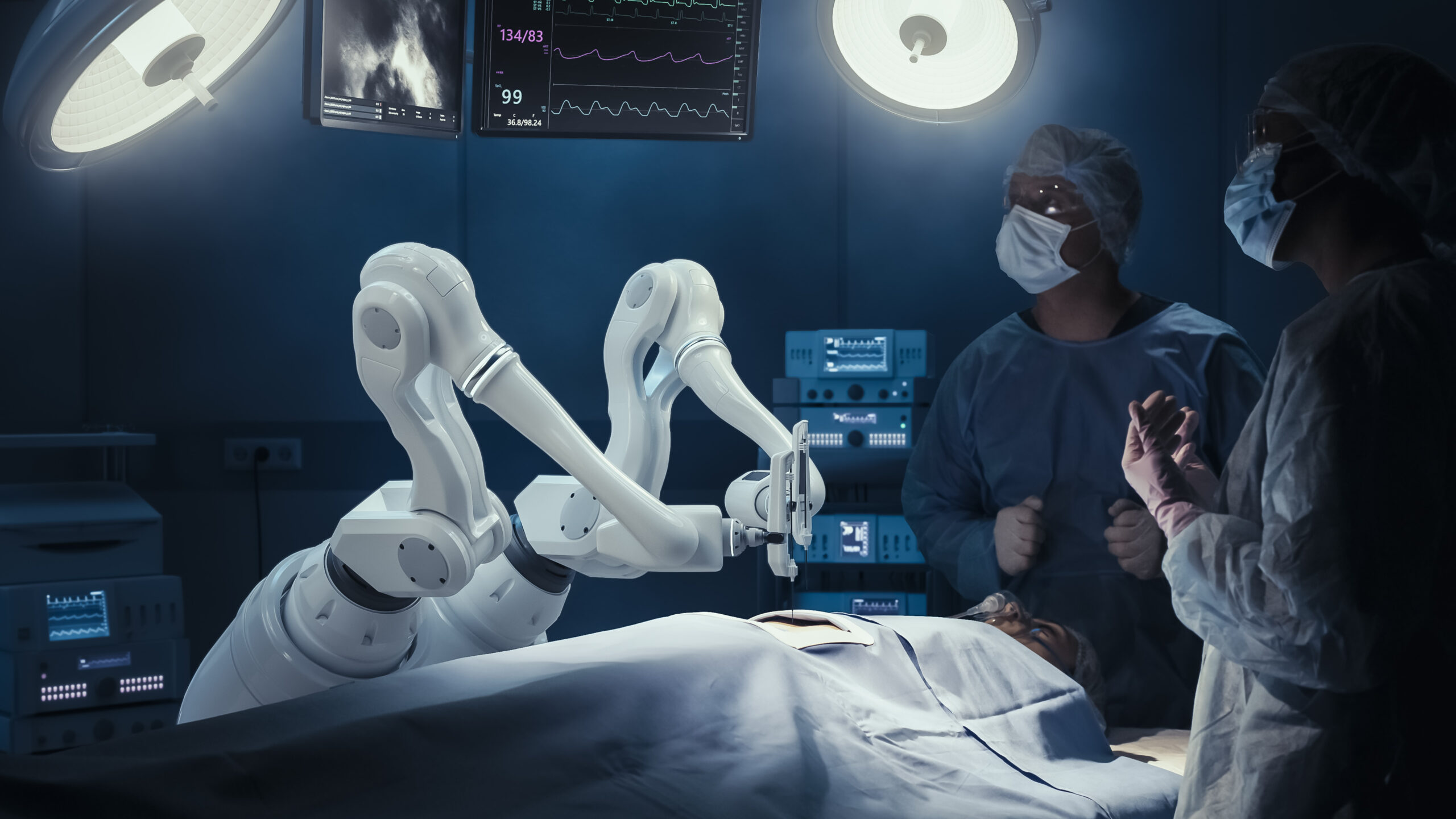
Robotic Surgery: This is the latest minimally invasive technique in cancer surgery, in which the operating surgeon uses a robotic system to perform the surgery. The surgeon sits comfortably at a console at some distance while the robot performs the operation based on the surgeon’s instructions. This system has several advantages, including better magnification, greater degrees of movement, 3D vision, and faster rehabilitation. However, the steep cost is the limiting factor.
Endoscopy: The doctor inserts a thin, flexible tube with a light and camera on the tip (called an endoscope) into an opening of the body (such as the mouth, rectum, or vagina) to examine internal organs. During an endoscopic procedure, it is possible to remove samples of potentially abnormal tissue for further examination.
Role of Surgery
Surgery is the removal of the tumour and surrounding tissue during an operation. A doctor who specialises in the surgical treatment of cancer is called a surgical oncologist. Surgery is the oldest type of cancer therapy and remains an effective treatment for many types of cancer today. The goals of surgery vary. It is often used to remove all or some of the cancerous tissue after diagnosis.
However, it can also be used to diagnose cancer, find out where the cancer is located, whether it has spread, and whether it is affecting the functions of other organs in the body. In addition, surgery can be helpful to restore the body’s appearance or function or to relieve side effects.
The location of surgery depends on the extent of the procedure and how much recovery is needed. Surgery may be performed in a doctor’s office, clinic, surgical centre, or hospital. Outpatient surgery means no overnight hospital stay before or after surgery. Inpatient surgery means a hospital stay overnight or longer to recover after surgery.
The diagnosis of cancer begins when a person reports any unusual symptoms. After discussing a person’s medical history and symptoms, the doctor will perform various tests to find out the cause of the ailment. However, many times a person with cancer has no symptoms. Sometimes a doctor diagnoses cancer after a screening test in an otherwise healthy person. Examples of screening tests include colonoscopy, mammogram, and Pap test.
For most cancers, a biopsy is the only way to make a definitive diagnosis. The cancer treatment options that the doctor recommends depend on the type and stage of cancer, possible side effects, and the patient’s preferences and overall health. In cancer care, different doctors often work together to create a patient’s overall treatment plan that combines different types of treatment. This is called a multidisciplinary team.
From diagnosis to recovery, surgery is an indispensable pillar of cancer care. The advent of robotic systems, laparoscopic tools, and other minimally invasive techniques has made treatment gentler and more precise than ever. While challenges like cost remain, the trajectory is clear: technology continues to give patients and surgeons powerful new weapons against cancer.