
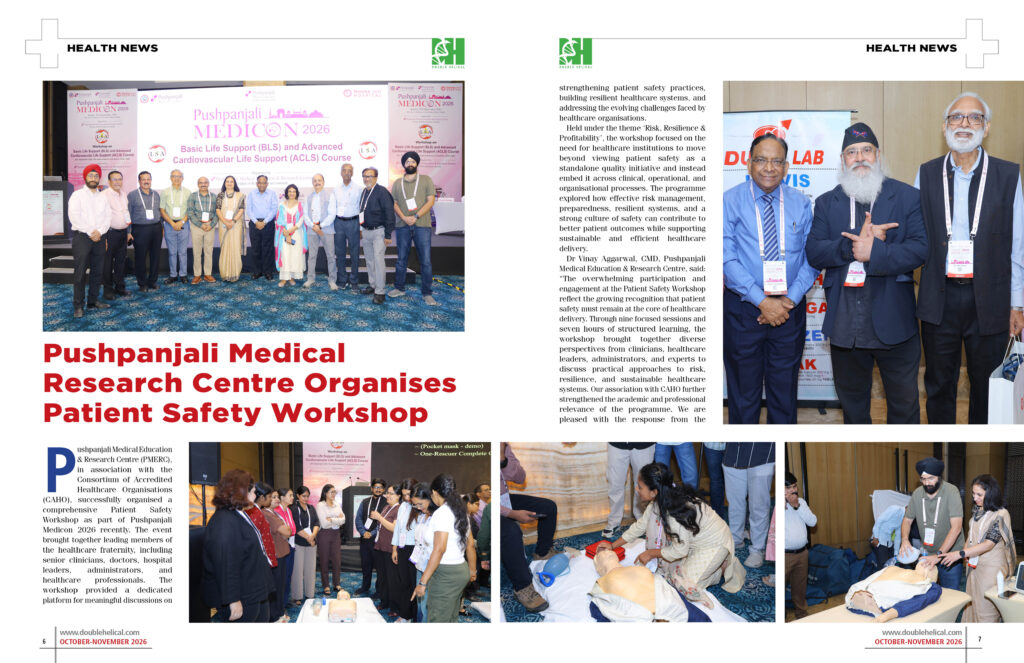
Pushpanjali Medical Research Centre Conducts Scientific Session
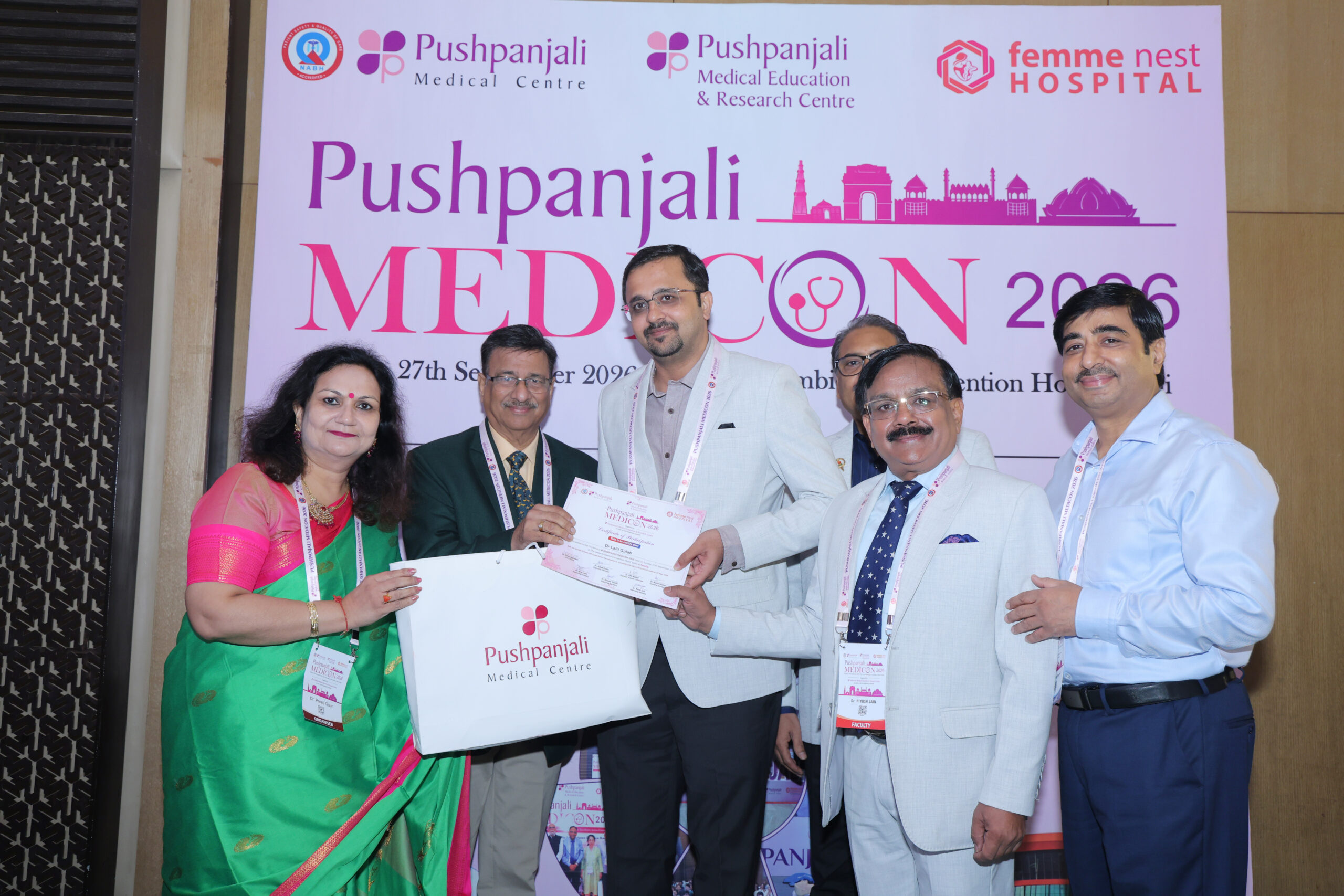 Pushpanjali Medical Education & Research Centre (PMERC) successfully conducted the Scientific Session of Pushpanjali Medicon 2026, bringing together more than 3,000 delegates from across the healthcare fraternity. The 24-hour academic programme was conducted simultaneously across three halls, with each hall hosting eight hours of scientific learning.
Eminent doctors, clinicians, medical experts, and healthcare professionals participated in the sessions and discussed the latest advancements and emerging developments across various medical specialties. Among the distinguished speakers were Dr Sanjiv Kaul, Dr Shekhar Seshadri, Dr Milind Pande, Dr Anil Arora, and Dr Ved Prakash Mishra, alongside several other experts.
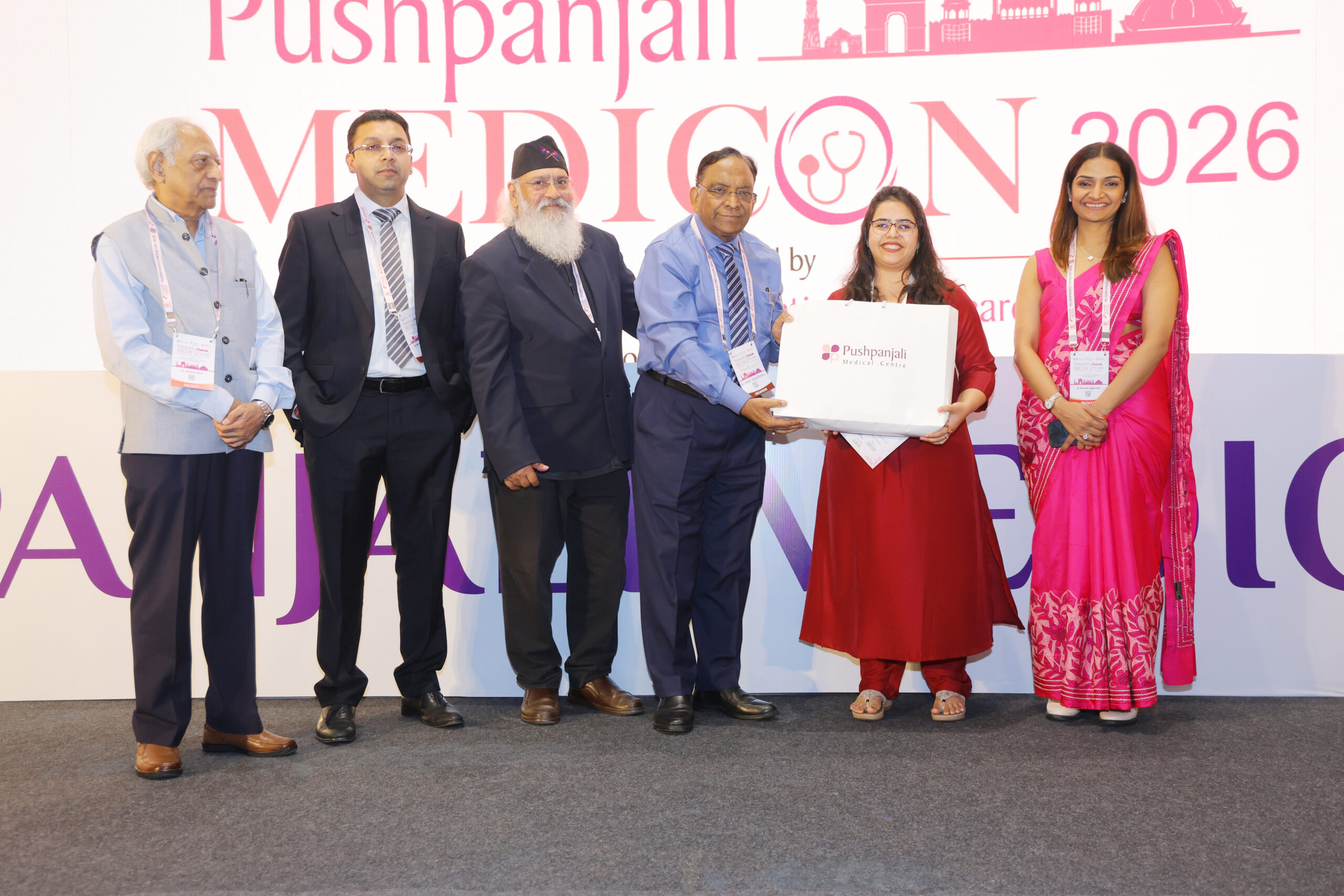 Dr Vinay Aggarwal, Chief Patron and CMD, Pushpanjali Medical Education & Research Centre, said: “The participation of more than 3,000 delegates reflects the strong academic relevance of Pushpanjali Medicon and the growing need for platforms that facilitate continuous medical learning. Conducting 24 hours of scientific sessions simultaneously across three halls allowed us to bring together experts from multiple specialties and provide delegates with diverse learning opportunities. The discussions focused on recent advances, evolving treatment approaches, and the changing healthcare landscape, with artificial intelligence emerging as an important area of discussion in transforming medical care and clinical practice.”
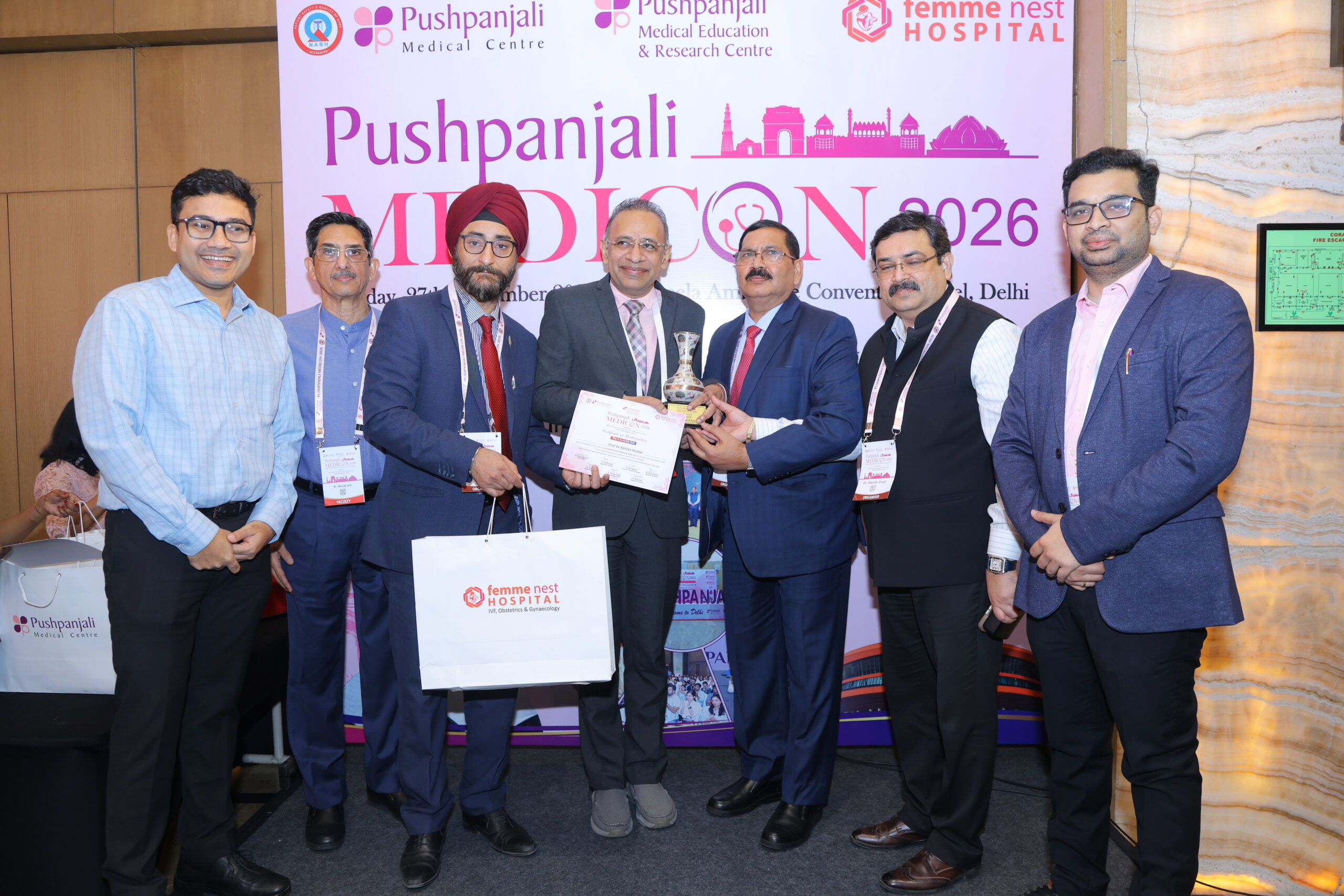 Dr Vinay Aggarwal further added: “One of the key highlights of this year’s scientific programme was the breadth of subjects and the quality of academic discussions. Experts shared their experience on the latest developments across specialties, while considerable attention was given to the increasing role of artificial intelligence in healthcare. AI is opening new possibilities in diagnosis, decision-making, treatment planning, and healthcare delivery, and it is important for medical professionals to understand both its opportunities and evolving applications. Such scientific exchanges help doctors remain updated and encourage collaborative learning.”
The rapidly expanding role of artificial intelligence in medicine formed a significant focus of the scientific programme. Speakers discussed how AI-enabled technologies are increasingly being explored across areas such as diagnostics, clinical decision-making, medical imaging, treatment planning, and healthcare management, while emphasising the continued importance of clinical judgment and responsible adoption of emerging technologies.
Adding further academic value, the scientific session was accredited for six hours by the Delhi Medical Council (DMC), providing recognised continuing medical education to participating medical professionals.
The successful scientific session formed a key component of Pushpanjali Medicon 2026, bringing together the medical community on a common platform for knowledge exchange, professional interaction, and discussion on the future of healthcare. With participation exceeding 3,000 delegates, the programme reinforced the importance of continuous medical education and collaborative scientific dialogue in keeping healthcare professionals abreast of rapidly evolving medical and technological advancements.