
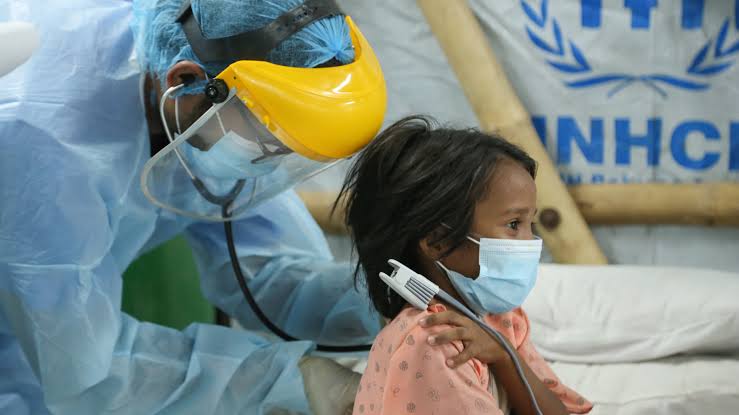
Breaking Down Barriers
The elimination of viral hepatitis as a public health threat by 2030 cannot be achieved without integrating hepatitis services into primary health care and universal health coverage.
By Dr Catharina Boehme
Viral hepatitis caused 1.3 million deaths worldwide in 2024, making it one of the world’s leading infectious disease killers. In the WHO South-East Asia Region, an estimated 43 million people are living with hepatitis B and 8 million with hepatitis C, and more than 200,000 people lose their lives each year to hepatitis-related causes, mainly liver cirrhosis and liver cancer. These deaths are preventable through earlier diagnosis, treatment, and sustained care.
 World Hepatitis Day is observed each year on July 28 to honour the birthday of Dr Baruch Blumberg, who discovered the hepatitis B virus and developed the first vaccine for it. This year, World Hepatitis Day is being marked globally under the theme “Hepatitis: Let’s Break It Down,” and in the Region under the theme “Eliminating Hepatitis Everywhere, for Everyone — Right Now.” Together, they call on us to dismantle barriers that stand between people and the tools that already exist to prevent, diagnose, and treat hepatitis.
Progress in the Region
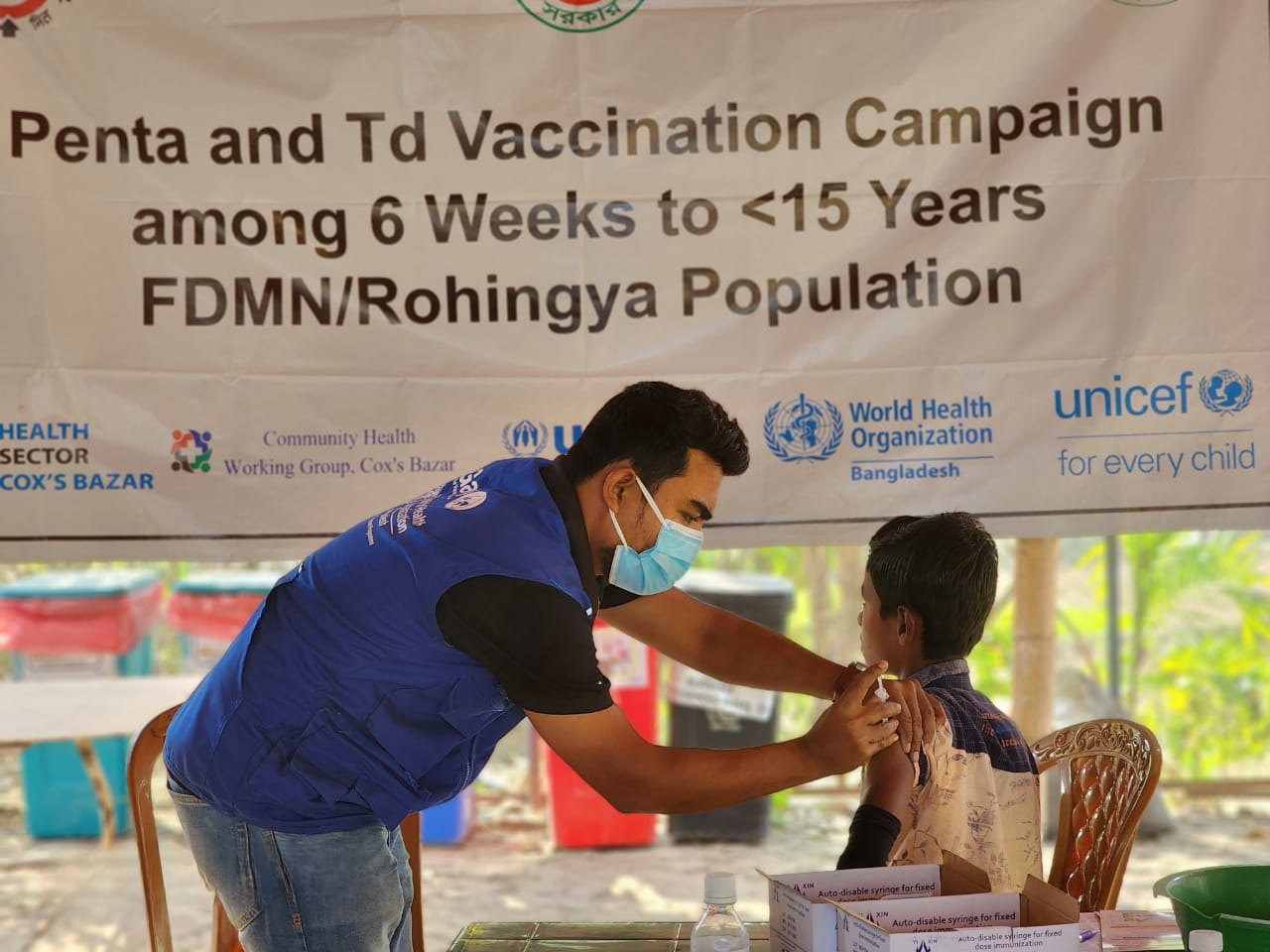
The Region has made much progress. In 2024, hepatitis B third-dose vaccination coverage reached 92 per cent. Maldives, in 2025, became the first country in the world to be validated for triple elimination of mother-to-child transmission of HIV, syphilis, and hepatitis B, while Thailand and Sri Lanka have been validated for dual elimination of mother-to-child transmission of HIV and syphilis. Thailand has embedded hepatitis within its universal health coverage architecture, and India is scaling nationwide elimination of vertical transmission of HIV and syphilis alongside marked improvements in hepatitis B vaccination and antenatal screening. Bangladesh has expanded hepatitis services for vulnerable populations, including in the complex humanitarian setting of Cox’s Bazar.
These gains have been enabled by a wider architecture, including the Global Health Sector Strategy on HIV, Viral Hepatitis and Sexually Transmitted Infections (2022–2030), and the Region’s Integrated Regional Action Plan for Viral Hepatitis, HIV and STIs (2022–2026). Both call for elimination of viral hepatitis as a public health threat by 2030, to be achieved by integrating hepatitis services into primary health care and universal health coverage.
Persistent Gaps
Nonetheless, gaps remain. In the Region, hepatitis B birth-dose vaccination coverage sits at 58 per cent, and treatment coverage is critically low, at just 0.1 per cent for hepatitis B and 11 per cent for hepatitis C. Only 1 in 10 people living with chronic hepatitis B and C have been tested and are aware of their status. Unsafe medical injections are estimated to account for 21 per cent of new hepatitis C infections, a reminder of the importance of safe injection practices and strengthening harm reduction services among people who inject drugs.
The Path Forward
Countries must expand decentralised, affordable testing and treatment integrated into primary care. Every newborn should receive a timely hepatitis B birth dose within 24 hours, and antenatal care should routinely include hepatitis B testing. As global financing tightens, countries must also strengthen country-owned investment cases to mobilise domestic resources. Above all, people affected by hepatitis must shape the policies and services meant to serve them, and communities must be equipped to challenge the stigma that keeps people from accessing earlier prevention, testing, and treatment services.
Three and a half years remain to achieve the Sustainable Development Goals 2030 targets. The proven science of detection, diagnosis, and treatment must be matched with political commitment and investment. On World Hepatitis Day, let us commit to break down the barriers of stigma, inequity, and fragmentation, to achieve hepatitis elimination for everyone, everywhere, right now—not as aspiration, but as obligation.
(The author is Officer-in-Charge, WHO South-East Asia.)