

What Ails Hospitals in india

A parliamentary committee has proposed capping private hospital room rents at three-star hotel tariffs. But regulating room rents alone, akin to rearranging deck chairs on the Titanic, cannot fix a deeply flawed healthcare system.
By Dr Amitav Banerjee
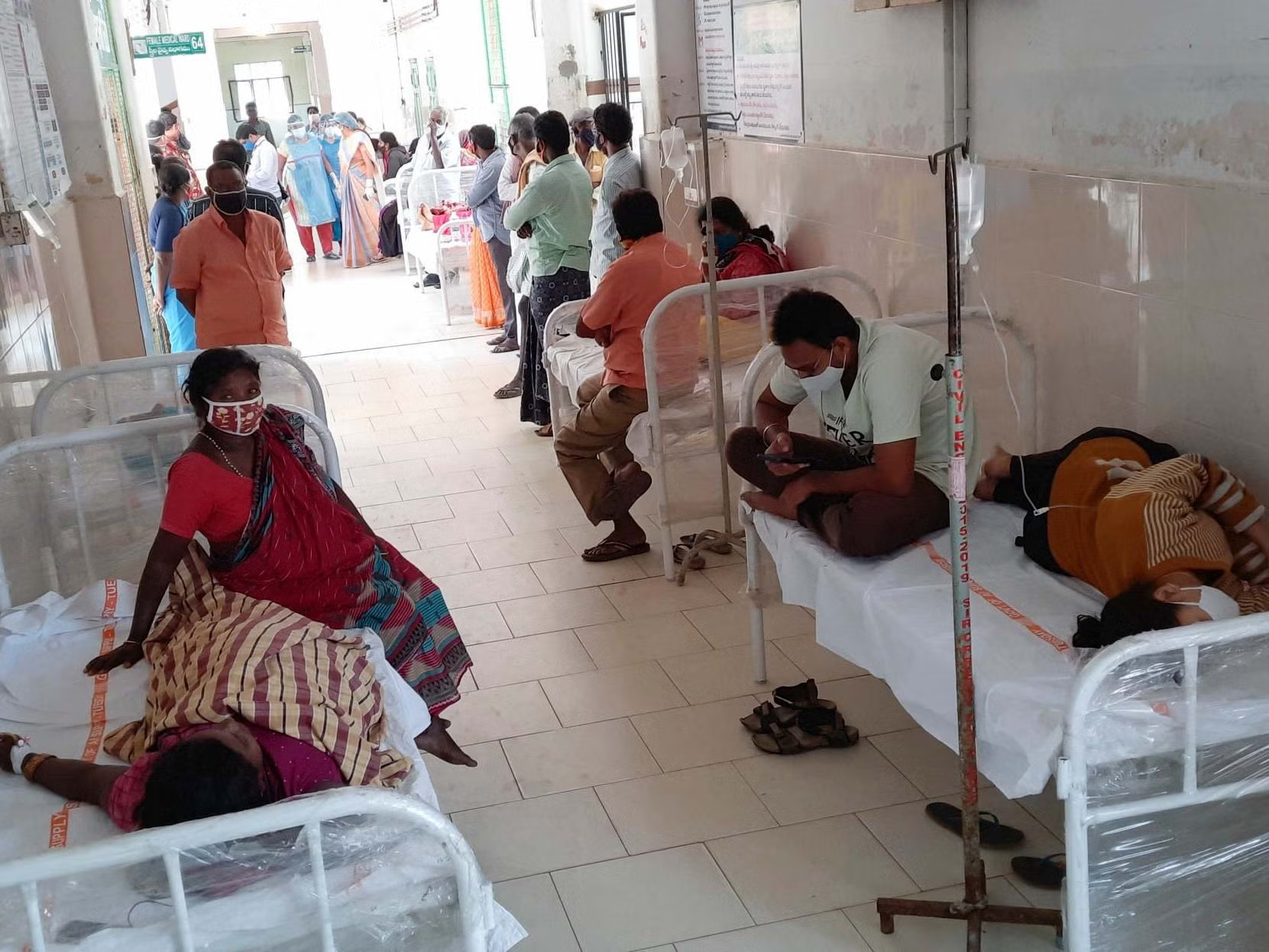
In India’s major metropolitan cities, inequity in healthcare exists despite the concentration of advanced hospitals, specialists, and medical technology. Cities such as Mumbai, Delhi, Bengaluru, Chennai, Kolkata, Hyderabad, and Ahmedabad have some of the country’s best healthcare facilities, but these resources are distributed unevenly. The proximity of high-quality hospitals does not necessarily translate into equal access to healthcare.
A major divide exists between affluent neighbourhoods and informal settlements. Low-income workers, migrants, and slum residents often live close to major hospitals but face barriers such as consultation and diagnostic costs, transportation expenses, lost wages, and difficulty navigating the healthcare system. NITI Aayog has highlighted that urban poor communities frequently experience inadequate primary healthcare, weak outreach, and difficulties accessing private facilities because of limited financial resources and insurance coverage.
Primary Care Deficits and Social Determinants
Another important inequity is the imbalance between tertiary and primary healthcare. Metropolitan cities may have sophisticated private hospitals offering specialised treatment, while neighbourhood-level public facilities can be insufficient, overcrowded, or difficult to access. Delhi, for example, has a large concentration of tertiary hospitals but historically had relatively limited primary-care infrastructure.
Urban healthcare inequity is also closely connected to living conditions. Poorer populations are more likely to experience overcrowding, inadequate sanitation, unsafe water, pollution, insecure employment, and limited access to nutritious food. These social and environmental conditions increase vulnerability to both infectious diseases and chronic illnesses.
The problem is therefore not simply a shortage of hospitals in metropolitan India. It is a two-tiered urban healthcare system in which wealthier residents can purchase faster and more specialised care, while poorer populations often depend on under-resourced public services or delay treatment because of cost. The National Urban Health Mission was introduced in 2013 specifically to improve equitable access for urban poor and vulnerable groups, but significant gaps in primary care and urban health governance remain.
Concessional Land and the Breach of Social Obligations
The government attempted to address healthcare inequities in metropolitan India by using subsidised public land as a form of social obligation. In Delhi, for example, government agencies such as the DDA and the Land & Development Office allotted valuable land to private and charitable hospitals at concessional rates, on the condition that they provide free or subsidised treatment to economically weaker and indigent patients.
Following legal intervention, the Delhi High Court clarified that hospitals receiving such concessions were required to provide 25 per cent of their outpatient services and 10 per cent of inpatient beds completely free of charge, including treatment, medicines, and consumables. The underlying principle was that private hospitals benefiting from scarce and valuable public resources should return a measurable social benefit to the communities they served. The arrangement sought to create a form of cross-subsidisation, combining the capacity and infrastructure of corporate/private hospitals with the government’s objective of improving access for poorer urban residents.
However, implementation proved uneven, with government audits and court proceedings documenting non-compliance and difficulties in monitoring whether eligible patients actually received their entitled care. Thus, while subsidised land represented an innovative attempt to make high-quality private healthcare more accessible to the urban poor, its effectiveness depended heavily on enforcement, transparency, and accountability. Unfortunately, on the ground, the poor continued to be deprived of healthcare at these hospitals, which had a tendency to eat their cake and have it too—taking advantage of government subsidies while failing to keep the promise of free treatment to the poor.
 The Apollo Case Study: Unfulfilled Promises
One particular case study is illustrative of this attitude of “social non-responsibility” and breach of trust. Indraprastha Apollo Hospital acquired land at subsidised rates with an understanding that it would reserve 40 per cent of its treatment capacity for poor patients who would not be charged. The hospital defaulted on this, and the Supreme Court had to order an investigation on this issue.
The court noted that the hospital is located on land that was leased to the Indraprastha Medical Corporation by the government at a token rent of Re 1 per month in March 1994. As per the lease deed, Indraprastha Apollo Hospital was obligated to provide free treatment to poor patients “to the extent of [a third] of its bed strength and 40 per cent of its outdoor patients”, the top court noted. “Unfortunately, the hospital management refused to adhere to the said obligation,” the Supreme Court noted, adding that this had led to the Delhi High Court issuing directions to ensure the provision of treatment to poor patients. “Despite lapse of more than 15 years there has been hardly any implementation of the conditions of the agreement providing for free treatment to indoor and outdoor patients,” the Delhi High Court had said in 2009.
The Apollo Hospitals Group and the Delhi Government hold a 25 per cent and 26 per cent share each of the Indraprastha Medical Corporation. On this, the Supreme Court noted that if the Delhi government is earning profit from the hospital instead of providing for the care of poor patients, it is most unfortunate.
The Apollo case is particularly important because it is not simply an allegation that a private hospital is charging high prices. It concerns a quid pro quo involving public assets: the State provided land on extraordinarily concessional terms in exchange for an explicit public-service obligation. What makes the matter especially serious is that this is not merely an old contractual dispute. In 2025, a Delhi government committee reportedly found that, over the preceding five years, less than 10 per cent of poor patients were receiving OPD and inpatient services, against the contractual obligations of 40 per cent OPD and 33 per cent IPD. The Supreme Court subsequently warned that the hospital could potentially be handed over to AIIMS if it failed to honour its obligations.
The issue has moved beyond Apollo. In May 2026, the Supreme Court directed that guidelines be framed to enforce the obligation on private hospitals in Delhi that received land at concessional rates to provide free treatment to poor patients, after noting widespread non-compliance among hospitals. Available government records establish that hundreds of private hospitals have received government land or other land concessions; the share among large urban and corporate hospitals is high—likely in the 10–30 per cent range, with considerably higher concentrations in cities such as Delhi and Mumbai.
Capping Room Rents: Examining the Parliamentary Proposal
In the last few decades, our healthcare industry has expanded exponentially, reaching mammoth, Titanic proportions. Paradoxically, while providing state-of-the-art medical treatment to the affluent and attracting global medical tourism, this development has not resulted in equitable, accessible, and affordable healthcare for vast segments of our underprivileged population. Measures for ensuring accessibility and affordability by providing subsidised land to corporate hospitals in return for healthcare for the poor have not worked in the past.
A Parliamentary Standing Committee on Health and Family Welfare has made a striking recommendation: private hospitals in large metropolitan cities should not charge more for a basic hospital room than the average tariff of a three-star hotel in the vicinity. The recommendation forms part of the Committee’s 176th Report on Affordability and Accessibility of Healthcare Facilities in Public and Private Sector, tabled in Parliament on 7 August 2026. Importantly, this is a recommendation, not yet a binding rule.
At first sight, the proposal appears both politically attractive and morally compelling. Hospitalisation is not an ordinary consumer transaction; a patient and family confronting a serious illness have little ability to bargain, compare prices, or walk away. In such circumstances, unchecked pricing can turn medical vulnerability into commercial profits. The Committee is therefore right to draw attention to the affordability crisis in private healthcare.
 However, benchmarking a hospital room against a three-star hotel room is an intuitively appealing but economically imperfect solution.
Flaws in the Hotel Room Benchmark
The Committee deserves credit for recognising that hospital bills are not merely a problem of expensive medicines or procedures. Room charges can influence the overall cost of hospitalisation, and in many insurance policies, the permitted room category can have consequences for reimbursement of other expenses as well. The larger problem is the enormous asymmetry of information between hospitals and patients. A person admitted for a major operation does not possess the information necessary to judge whether a particular room tariff, nursing charge, diagnostic test, or consumable is reasonable. This makes transparency and regulation legitimate public-policy concerns.
The Committee’s proposal is also more nuanced than the headline suggests. It recommends that costs such as resident doctors, nursing, disposable consumables, meals, and laundry may be added separately to the basic room tariff. It has simultaneously recommended legally binding upfront cost estimates for complex or prolonged treatment. These accompanying measures are arguably more important than the hotel-room comparison itself.
But can apples be compared with oranges? The central weakness is the proposed benchmark. A three-star hotel sells accommodation; a hospital room is part of a clinical-care system. Even an apparently ordinary inpatient room is supported by nursing personnel, emergency response systems, infection-control arrangements, medical gases, patient-monitoring infrastructure, biomedical equipment, cleaning and sterilisation protocols, electricity backup, and round-the-clock clinical services.
Indeed, the Competition Commission of India has previously rejected comparisons between super-speciality hospital rooms and three- or four-star hotel rooms on precisely this ground. In its 2026 decisions concerning private hospitals, the Commission noted that hospital rooms and hotel rooms are not substitutable products because hospital rooms are designed around patients’ clinical requirements and immediate medical care.
That does not mean hospital room prices should be immune from scrutiny. It means that hotel tariffs are a weak surrogate for the economic cost of providing hospital infrastructure. The distinction matters particularly in metropolitan India, where land, construction, medical equipment, compliance, staffing, and utility costs can be substantially higher than those of ordinary accommodation. A price ceiling that ignores these cost differences risks becoming arbitrary.
Regulating Billing Structures Over Line Items
There is another, more serious concern: if the government caps room rent but permits hospitals to recover other costs separately, hospitals may simply rearrange their billing structures. For example, a reduction in the room charge could theoretically be accompanied by higher nursing, consumable, administrative, or service charges. The total bill might therefore change very little. In that scenario, the policy would produce an impressive headline—”room rent capped”—without substantially reducing the patient’s financial burden. This is why regulating one component of a hospital bill is unlikely to solve the larger problem of hospital pricing.
A better approach would be to regulate the bill, not only the room rent. The Committee appears to recognise this itself, as its recommendations extend beyond room rents to standardising and capping essential treatments and diagnostics, improving price disclosure, and strengthening mechanisms for patients to understand their bills. Instead of asking, “How much should a hospital room cost?”, policymakers should ask, “What constitutes a reasonable and transparent price for an episode of hospital care?”
A stronger regulatory framework would have at least five elements:
- Standardised schedules of charges for common procedures and diagnostics.
- Mandatory disclosure of the complete package price wherever the clinical circumstances make a package feasible.
- Legally enforceable upfront estimates for major elective procedures.
- Independent auditing and grievance redressal for disputed hospital bills.
- Transparent differentiation of hospital categories, so that a high-end tertiary-care institution is not artificially forced into the same cost structure as a smaller secondary-care facility.
The Committee’s recommendation for upfront estimates is particularly promising because it tackles the patient’s problem before, rather than after, the bill is generated.
 Market Dynamics and the Role of Insurance
Are we missing the woods for the trees, since the larger issue is market power? There is also a danger in framing this solely as a problem of “corporate hospitals charging too much.” India’s healthcare market is heterogeneous, comprising charitable hospitals, single-speciality hospitals, nursing homes, independent practitioners, hospital chains, and large tertiary-care institutions all operating under very different cost structures. The real regulatory question is market power and the ability to exploit information asymmetry, rather than corporate ownership per se.
This distinction is important because indiscriminate price controls can have unintended consequences. If the regulated price is below the sustainable cost of providing a particular level of care, hospitals may reduce investment, limit certain services, downgrade amenities, or shift costs elsewhere. In the longer run, excessive price suppression could discourage investment in precisely the high-quality tertiary infrastructure that India needs.
At the same time, the opposite argument—that healthcare should simply be left to market forces—is equally unsatisfactory. A severely injured patient in a road traffic accident is not a normal consumer who can comparison-shop between hospitals. Healthcare markets are structurally different from ordinary consumer markets, and that justifies a stronger public-interest role.
The room-rent debate also intersects with health insurance. Historically, room-rent limits and sub-limits have sometimes affected reimbursement beyond the room itself. Consequently, a government-mandated room ceiling could have benefits for insured patients—but only if insurers revise their policies and pricing mechanisms accordingly. Otherwise, hospitals, insurers, and patients may simply move costs between different components of the bill. The Committee’s wider recommendations concerning insurance therefore need to be considered alongside room-rent regulation rather than separately.
 Constructing a Total Cost Framework
A more defensible system would establish a cost-based and regionally differentiated benchmark for basic inpatient accommodation, periodically revised by an independent regulator. Such a benchmark could take into account land and infrastructure costs, staffing, infection-control requirements, utilities, depreciation, and the level of clinical support attached to the room. Hotels could perhaps be one reference point for the accommodation component, but they should not become the principal measure of what a hospital room ought to cost.
Most importantly, regulation should cover the total patient journey, not merely the room. A patient who saves `5,000 on room rent but pays an additional `50,000 through inflated diagnostics, consumables, or professional charges has not experienced affordable healthcare. India should not merely make hospital rooms cheaper; it should make hospital bills predictable, explainable, and contestable. That would address the real source of patient distress far more effectively than comparing a place of medical treatment with a place of accommodation.
Enforcing Obligations on Subsidised Institutions
Strong action is called for hospitals that received government land and subsidies. A hospital that has received scarce public land at a heavily subsidised price cannot legitimately be treated in exactly the same regulatory category as an entirely privately financed hospital. There is a fundamental difference between regulating a private commercial enterprise and enforcing a bargain made with the State.
If the State says to a hospital, in effect: “We will give you valuable urban land at a fraction of its market value, and in return you will provide a defined proportion of free healthcare to economically weaker patients,” in such cases the hospital’s obligation is not charitable philanthropy—it is consideration for the public benefit it received. That distinction is crucial. The hospital cannot have its cake and eat it too.
The Apollo episode illustrates a deeper problem with India’s approach to private healthcare regulation: the State often gives away valuable public resources first and tries to enforce the public-service conditions years later. That is backwards. If a hospital violates the terms under which it received subsidised land, the first question should not be: “Should we cap its room rent?” It should be: “Why should it continue to enjoy the subsidy at all?”
The remedies should logically include:
Recovery of the economic value of the concession, where legally possible.
Substantial penalties for non-compliance.
Independent annual verification of free-treatment obligations.
Publication of hospital-wise compliance figures.
Prohibition on renewal of leases where obligations are persistently breached.
And, in serious cases, resumption/re-allotment of the land, subject to due process.
Re-architecting Healthcare Governance
The lessons learnt from the Apollo Hospital case also make the Parliamentary Committee’s proposed room-rent ceiling look somewhat misdirected. Suppose Hospital A obtained 15 acres of prime metropolitan land at a token rent in return for providing free treatment to poor patients, while Hospital B purchased its land commercially and finances all of its infrastructure privately. If Parliament imposes exactly the same room-rent ceiling on both, it may actually be under-regulating Hospital A and over-regulating Hospital B.
The regulatory framework should instead distinguish between:
Hospitals receiving public subsidies/concessions: Stringent obligations, measurable quotas, audited compliance, and strong claw-back provisions.
Hospitals operating entirely on private capital: Transparency, competition, consumer protection, and proportionate price regulation.
Hospitals participating in government-funded insurance schemes: Additional obligations linked to the public money they receive.
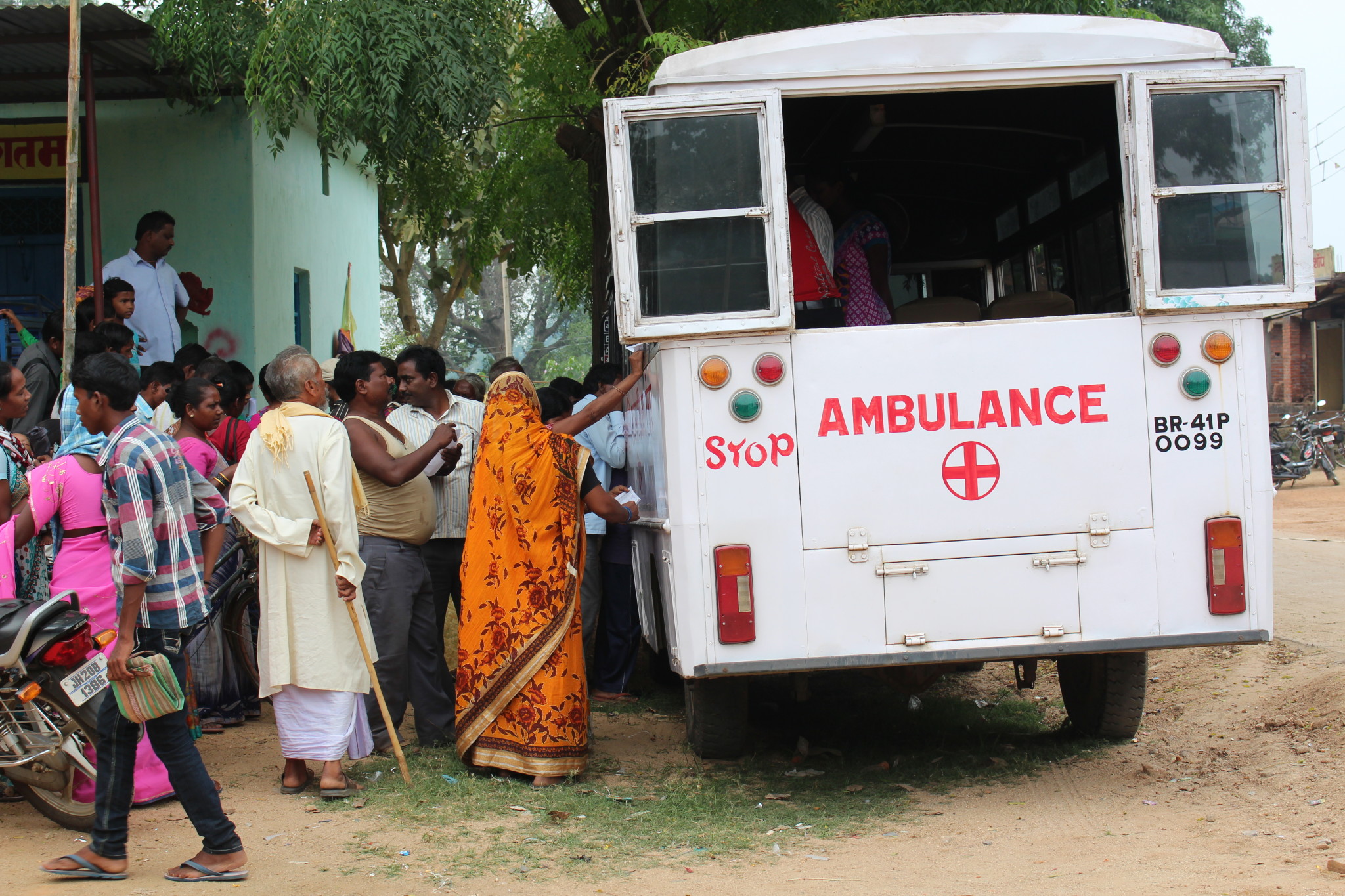
The constitutional dimension cannot be dismissed as a disagreement between a private company and the government. Under the Constitution, the State has obligations relating to public health and social welfare. When public land is transferred to a private healthcare enterprise at a nominal price, the State is effectively converting a public asset into a healthcare subsidy. The public must therefore receive a demonstrable healthcare benefit in return. The 2025 Supreme Court proceedings arose from a broader PIL alleging that hospitals across India—including in Delhi, Maharashtra, Haryana, Odisha, Telangana, and West Bengal—had received subsidised public land or other concessions but were not fulfilling the associated obligations.
 The Way Forward
Before the government regulates the price of a hospital room, it must first ensure that hospitals which received public land, public money, additional FSI, or other concessions are actually delivering the public benefit for which those concessions were granted. Otherwise, there is an uncomfortable policy irony: the taxpayer subsidises the hospital’s capital costs, the patient pays the hospital’s commercial prices, and the promised free care for the poor becomes the weakest-enforced part of the bargain.
That is arguably a much more fundamental failure of healthcare governance than the room-rent issue itself. For hospitals which have received subsidies from the government, the cap on room rents will hardly make any dent on their overall profits while the underprivileged will continue to be deprived of accessible and affordable healthcare. The public-private propaganda is heavily skewed in favour of private enterprise rather than public good. In a vital sector like healthcare, this is unacceptable. Without addressing the deeper issues sinking our healthcare system, addressing superficial issues like room rents is akin to rearranging deck chairs on the Titanic.
(The author is a renowned epidemiologist, and Professor Emeritus at D Y Patil Medical College, Pune. Having served as an epidemiologist in the armed forces for over two decades, he ranked in Stanford University’s list of the world’s top 2 per cent scientists for three consecutive years (2023–25).