
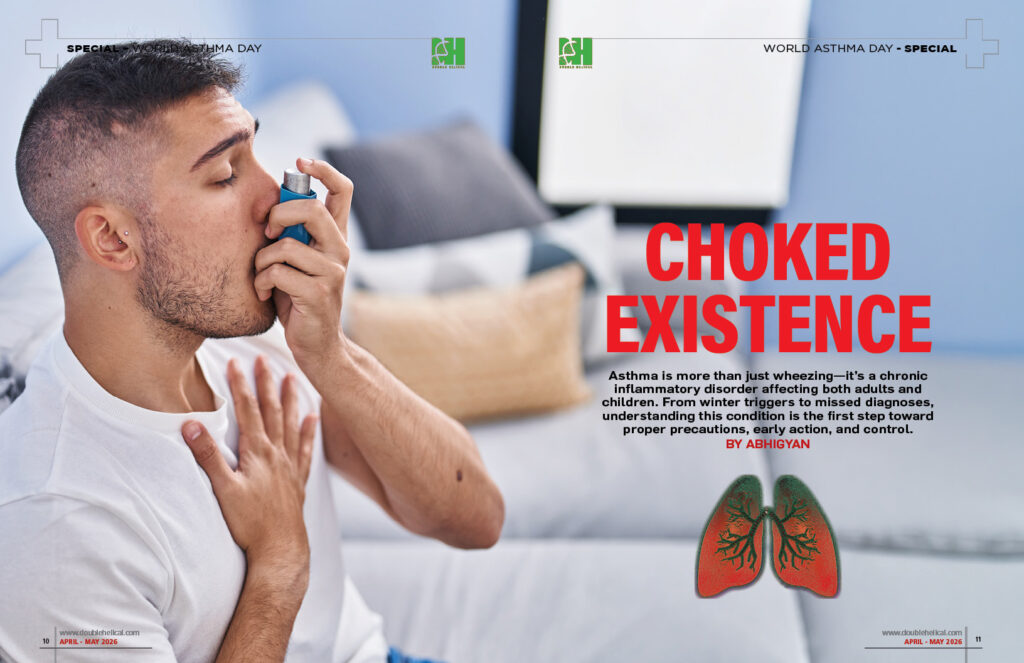
CHOKED EXISTENCE
Asthma is more than just wheezing—it’s a chronic inflammatory disorder affecting both adults and children. From winter triggers to missed diagnoses, understanding this condition is the first step toward proper precautions, early action, and control.
By Abhigyan
Asthma is a persistent disease of the bronchial (air shafts), or in other words, a chronic inflammatory disorder of the airways that makes breathing difficult. It is usually connected to an allergic reaction or other forms of hypersensitivity. Characterised by recurrent, reversible airway obstruction, airway inflammation in asthma leads to airway hyperactivity, which causes the airways to narrow in response to various stimuli, including allergens, exercise, and cold air.
Asthma is a growing concern worldwide. The same is true in India. In fact, the Global Burden of Disease (GBD) has highlighted that the total burden of asthma in India is 34.3 million, accounting for 13.09 per cent of the global burden.
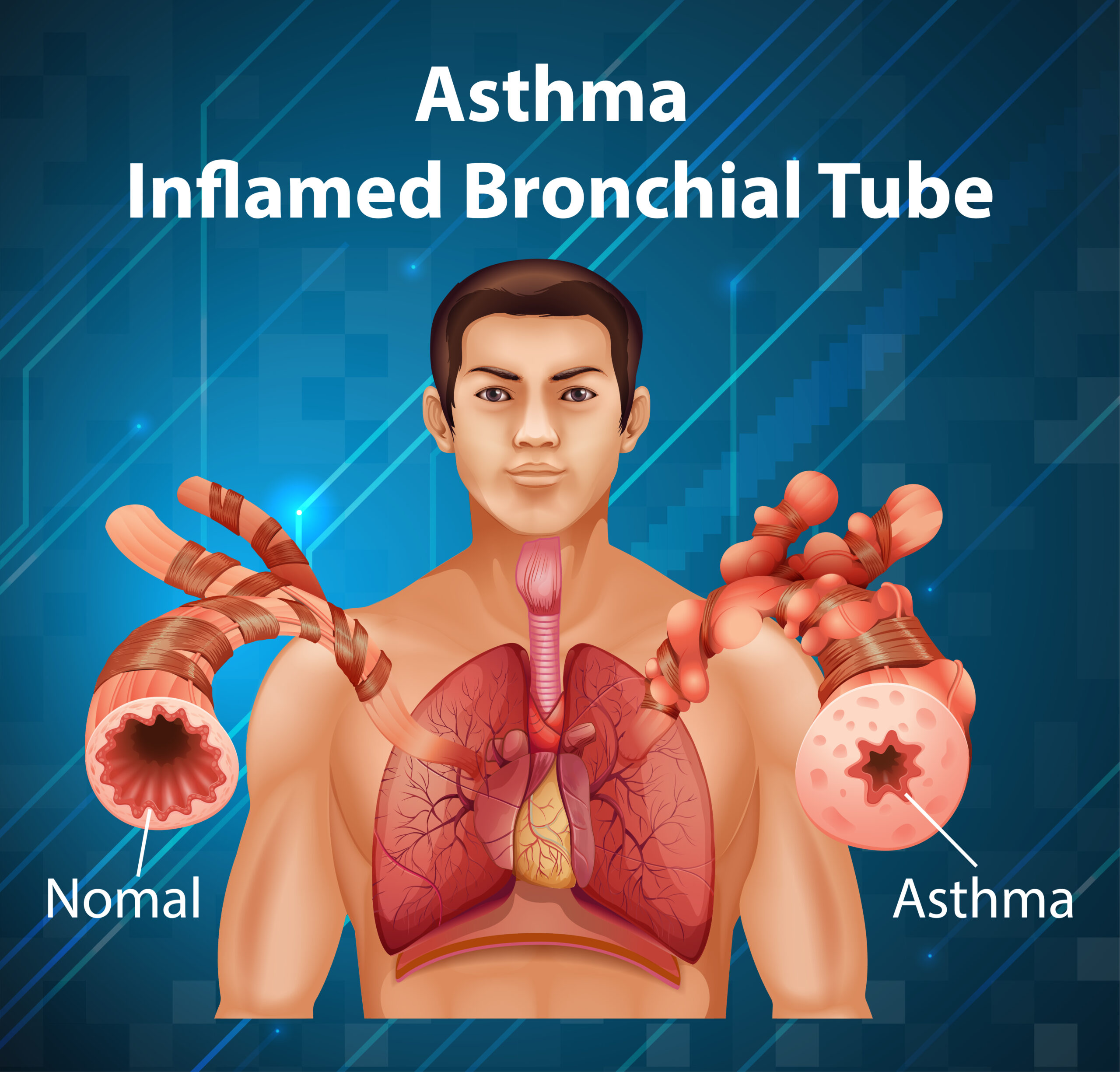
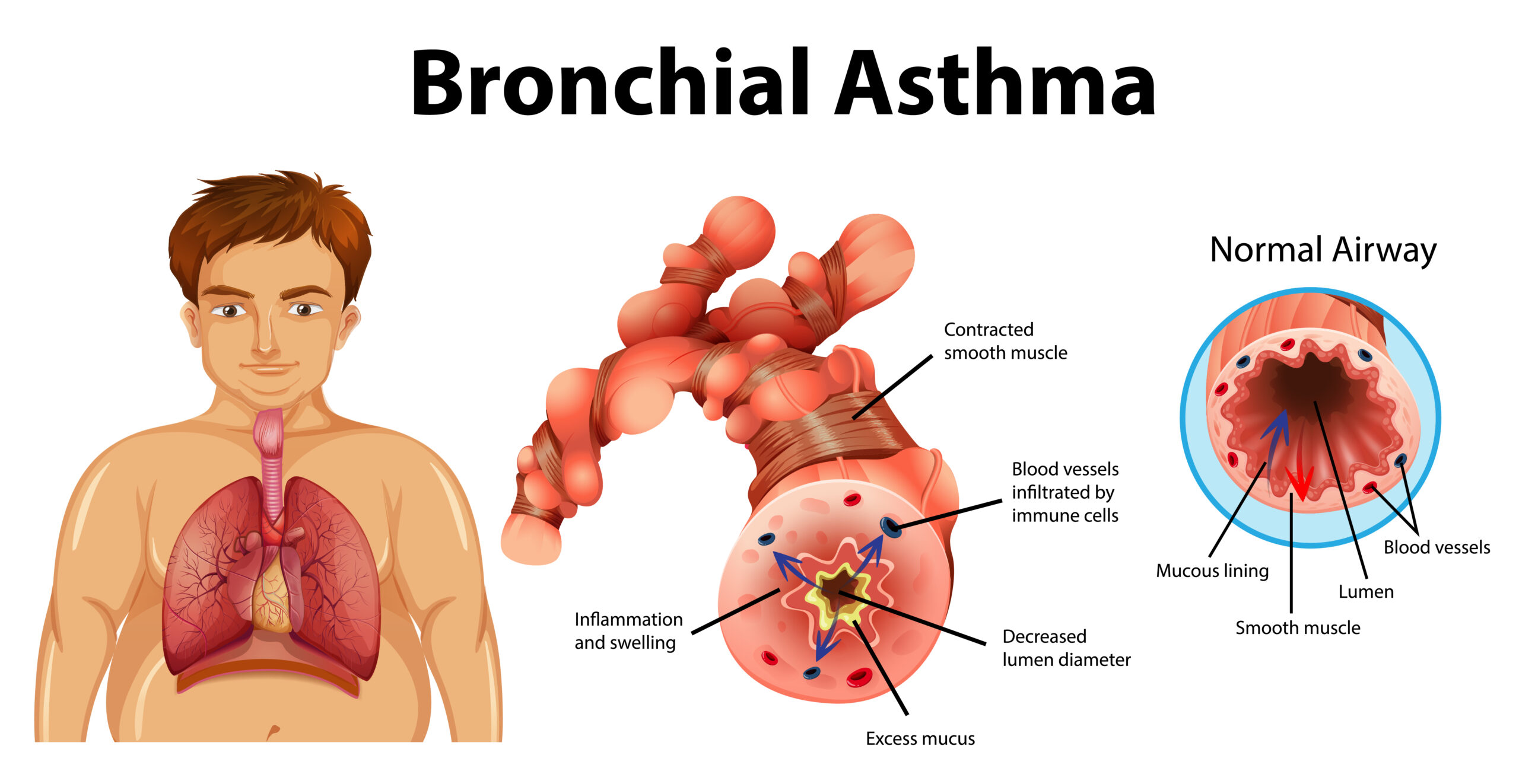
An asthma attack is a sudden worsening of asthma symptoms caused by the tightening of muscles around your airways (bronchospasm). During an asthma attack, the lining of the airways also becomes swollen or inflamed, and more mucus than normal is produced. All of these factors — bronchospasm, inflammation, and mucus production — worsen asthma conditions.
Symptoms of an asthma attack include severe wheezing when breathing both in and out; coughing that won’t stop; very rapid breathing; chest tightness or pressure; tightened neck and chest muscles (called retractions); difficulty talking; feelings of anxiety or panic; pale, sweaty face; blue lips or fingernails; or worsening symptoms despite use of your medication.
Sometimes asthma symptoms include sighing, fatigue, and rapid breathing, without coughing or wheezing.
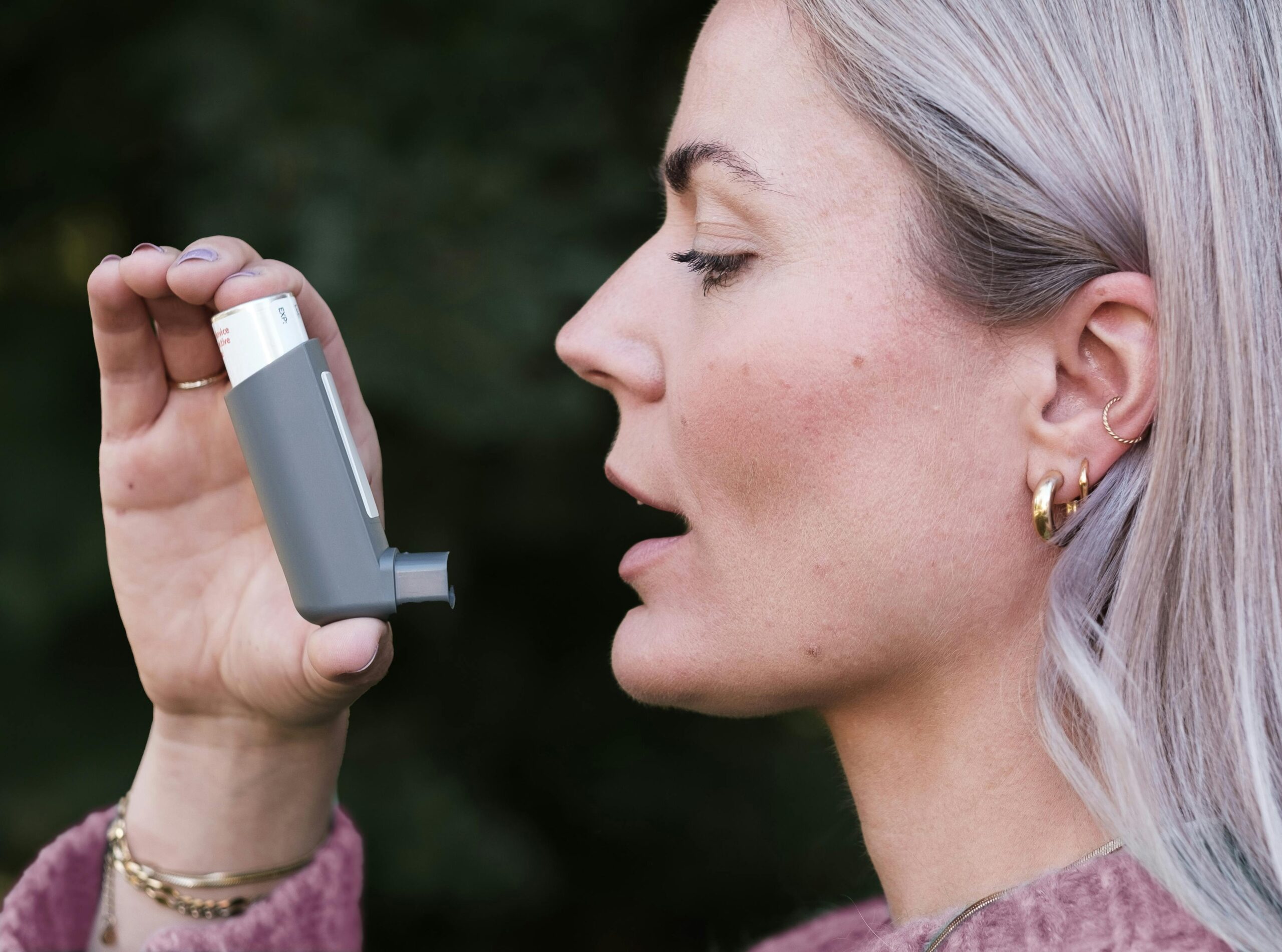
As for precautions: you should never forget your inhaler; stay calm; beware of indoor allergens; and never breathe through your mouth.
Winter Woes
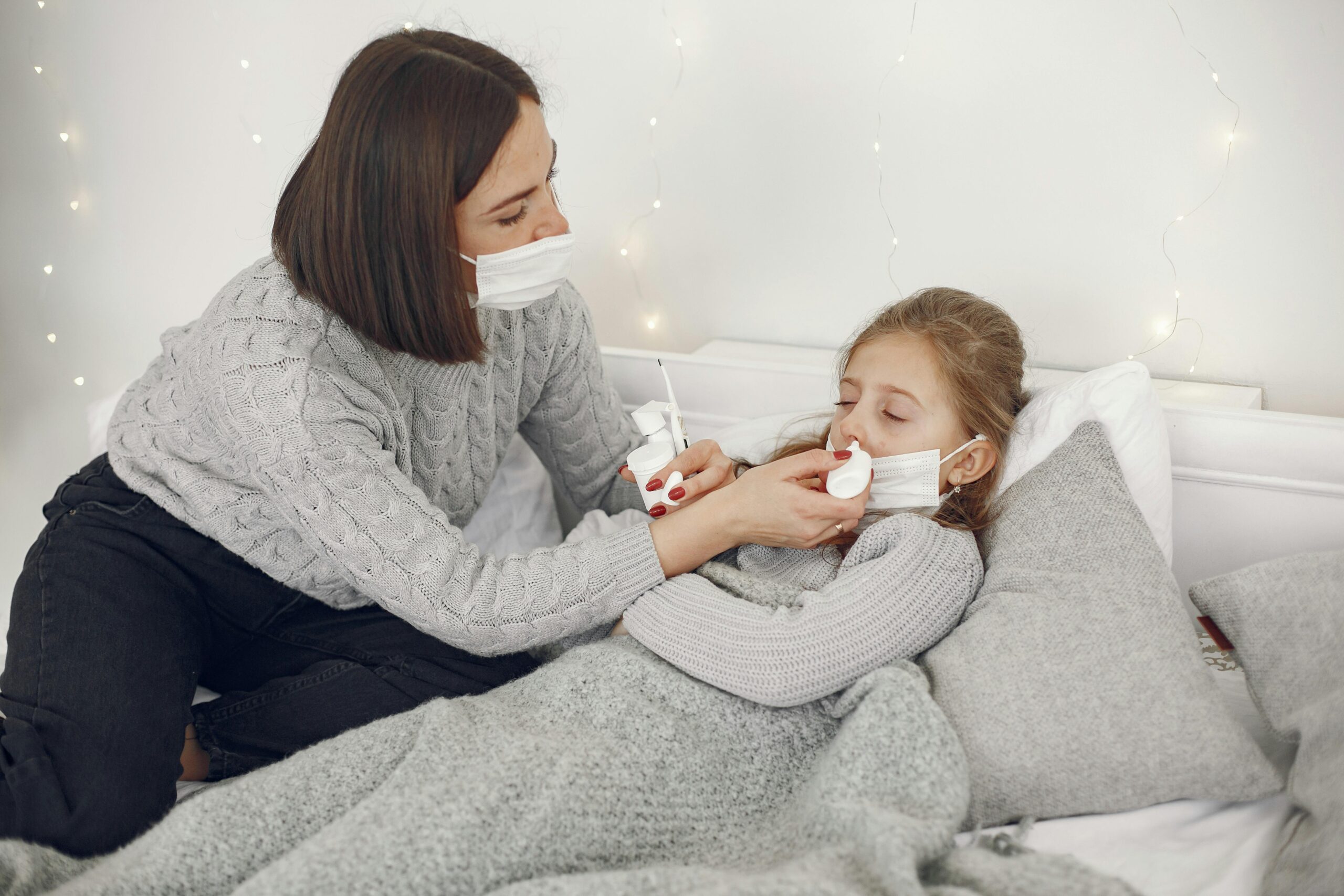
As winter approaches, city doctors ring alarms for patients with respiratory issues. Experts opine that patients suffering from respiratory issues, especially those with asthma, must start taking precautions to keep their health issue under control, as it is common for people to rush to hospitals for asthma flare-ups due to lack of proper precautions during winter.
Asthma problems gradually increase in winter for people. Cold weather can cause asthma to flare up more than usual, not to mention the extra threat of colds and flu, which can badly affect the respiratory system. There are more risks and more attacks in winter because people usually spend more time inside during winter, and it is cold outside. Hence the challenges in winter increase for people with asthma.
To avoid the spread of infections or catching a cold, one should always wash one’s hands properly with soap and water. Alcohol-based sanitizers work best for this.
One should not sit by a fireplace as the smoke of burning wood is similar to burning tobacco and triggers asthma.
During winter, one should always exercise indoors as it can be bitterly cold outside. It is advised to exercise in a gym or in the midafternoon to avoid asthmatic problems. On days when it is bitterly cold outside and the wind chill makes it feel like it’s below zero, doctors recommend going to the gym instead of exercising outside. The temperatures and the humidity in the gym are less likely to cause a problem. If you still want to exercise in the fresh (albeit cold) air, choose a time of day when it might be warmer, such as midafternoon.
Your home heating system may blow dust and debris throughout your house, especially when you first start it up for the winter. It’s important to clean and replace filters before turning on your system so as not to release debris and trigger an asthma attack. Clean and check the filters periodically throughout the heating season to avoid issues with winter asthma. Also, try to keep the temperature and humidity levels in your home consistent.
The Centers for Disease Control and Prevention (CDC) recommends that most people should get an annual flu shot to help protect against the flu virus. Having asthma won’t make you more susceptible to catching the flu, but if you do get the flu, the results could be more serious, even if you keep your asthma symptoms under control. It’s important that people with asthma get the injectable form of the flu vaccine made with inactivated (killed) flu virus. People with asthma shouldn’t get the nasal spray (FluMist) vaccine because it contains live virus.
According to Dr Pankaj Sayal, Senior Consultant in Pulmonology, New Delhi, there are many reasons why winter is a problem for asthmatics. The cold air itself is a common trigger of breathlessness and asthma attacks, plus winter brings an increase in colds and respiratory infections like Swine Flu, etc. Being indoors can cause problems too, as the air is often of poor quality during winter because we prevent fresh air circulation by closing doors and windows against the chill. Much of this is unavoidable, so it’s important that you and those around you know your asthma plan in case you do have an attack. Smog is another factor which can aggravate asthma for people living in and around Delhi.
To be extra safe during winter, pull a neck gaiter, scarf, or turtleneck up over your mouth and nose to warm the air you are inhaling. Avoid exercising outdoors when it’s very cold outside. It is also advised to change the filters of your heating system each year before winter starts.

According to Dr Jagadish Hiremath, Chairman at AASRA Hospitals, breathing cold and dry air during winter can cause flare-ups as it causes irritation to the airways and increases the production of phlegm, making asthma worse. In addition to that is rising air pollution, which is also a major asthma trigger as there is an increase in irritants in the air due to increased pollution.
Childhood Asthma
Asthma is the leading cause of chronic illness in children. It can begin at any age, but most children have their first symptoms by age five. Therefore, early diagnosis is important. Childhood asthma is a condition that is under-recognised, under-estimated, under-treated, and responsible for considerable morbidity among children aged one to four years.
According to Dr G C Khilnani, Chairman of the Institute of Pulmonary, Critical Care and Sleep Medicine at PSRI Hospital and Research Institute, New Delhi, “Ten per cent of the world population suffers from asthma. India is no different. In Delhi/NCR, every third child suffers from asthma, requiring nebulisation.”
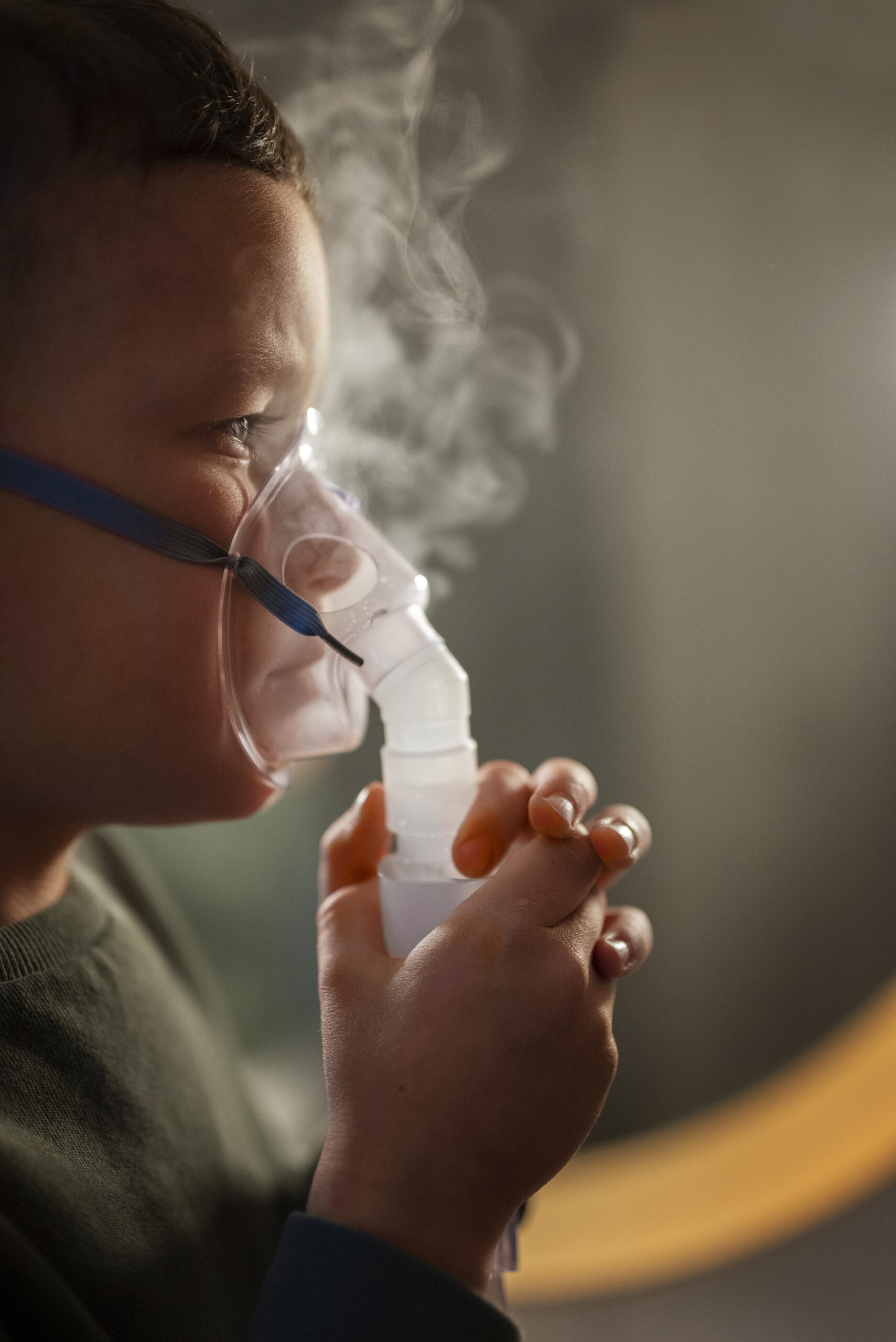
Children with recurrent cough, wheezing, chest tightness, or shortness of breath may have one or more forms of asthma. If left untreated, asthmatic children often have less stamina than other children or avoid physical activities to prevent coughing or wheezing. Sometimes they complain that their chest hurts or that they cannot catch their breath. Colds may go straight to their chest, or they may cough when sick, particularly at night.
Asthma has multiple causes, and it is not uncommon for two or more different causes to be present in one child. Asthma is more than wheezing. Coughing, recurrent bronchitis, and shortness of breath, especially when exercising, are also ways that asthma appears.
For some children, severe asthma attacks can be life-threatening and require emergency treatment. Signs and symptoms of an asthma emergency in children under five years old include gasping for air, breathing in so hard that the abdomen is sucked under the ribs, and trouble speaking because of restricted breathing.
Investigating Childhood Asthma
Studies have found that amongst unlabelled asthmatics, cough and other mild symptoms of asthma are predominant, whereas wheezing and shortness of breath are more common among labelled asthmatics. In India, studies determining the prevalence of asthma in schoolchildren have been reported, but no study has been done to determine the factors for underdiagnosis of asthma. Thus, it was felt necessary to study the underdiagnosis of asthma in schoolchildren and its related factors using questionnaires and pulmonary function tests.
A cross-sectional study was carried out on 1000 schoolchildren studying in three public schools of Delhi and Haryana aged 10 to 17 years over a period of one year. It aimed to study underdiagnosis of asthma in schoolchildren and its related factors. Questionnaires including details of medical, social, and environmental factors precipitating asthma were filled out by parents and class teachers. A pulmonary function test (PFT) was performed. Based on questionnaires and PFT results, children were grouped as labelled and unlabelled asthmatics. Cough was found to be equally prevalent in both groups, while wheezing and shortness of breath were independent and significant factors associated with receiving a physician’s diagnosis.
A general physical and systemic examination was done, followed by the pulmonary function test. Peak expiratory flow rates were measured by a Mini-Wright peak flow meter in the standing position. The best of three measurements was taken. Children who had asthma-like symptoms were subjected to spirometry examination. In conclusion, it was found that asthma is more likely to be missed or underdiagnosed in children presenting with cough without wheezing and shortness of breath.
Tricky Diagnosis
Wheezing, coughing, and other asthma-like symptoms can occur with conditions other than asthma, such as viral infections, so diagnosing asthma in young children can be really tricky. This is the reason why it may not be possible to make a definite diagnosis of asthma until the child is older.
Diagnosing the precise cause of asthma is sometimes difficult because two or more causes may be present in one child. Unfortunately, there is not a single test that provides all the answers. An allergist/immunologist has the specialised training and experience to determine if a child has asthma, what is causing it, and what treatment plan should be developed.
It is also important to understand what triggers the symptoms in a particular child and what (including medications) can make them go away. For this purpose, an understanding of the family history of the child and the analysis of the environment (such as smoking or pets) is useful.
For many children under age five, asthma attacks are triggered or worsened by colds and other respiratory infections. It may be noticed that a particular child’s colds last longer than they do in other children, or that signs and symptoms include frequent coughing that may get worse at night.
Moreover, infants may need extra attention during the diagnostic process because asthma symptoms can be caused by many things in this age group, some of which need very different therapies. When an infant has asthma symptoms, it is sometimes called reactive airway disease.
What Triggers Asthma in Children
The two most common triggers of asthma in children are colds and allergens. After infancy, allergies become particularly important, and therefore asthmatic children should have an allergy evaluation to help diagnose and manage their asthma. Avoiding the allergens to which your child is allergic may help improve his or her asthma.
There are many risk factors for developing childhood asthma. These include nasal allergies (hay fever) or eczema (allergic skin rash), a family history of asthma or allergies, frequent respiratory infections, low birth weight, exposure to tobacco smoke before or after birth, and being raised in a low-income environment.
It is also important to know why the rate of asthma in children is gradually increasing. Some experts suggest that children these days spend too much time indoors and are exposed to more and more dust, air pollution, and second-hand smoke. Some others opine that children are not exposed to enough childhood illnesses to direct the attention of their immune system to bacteria and viruses.
Many children with asthma develop symptoms before age five, so early diagnosis is important. There are a number of conditions that can cause asthma-like symptoms in young children. Treatment of asthma in children improves their day-to-day breathing while reducing asthma flare-ups, which further helps reduce other problems caused by asthma.
Possible signs and symptoms of asthma in children include: frequent coughing spells, which may occur during play, at night, or while laughing or crying; chronic cough; less energy during play; rapid breathing (intermittently); a complaint of chest tightness or chest hurting; a whistling sound when breathing in or out (called wheezing); see-saw motions in the chest from laboured breathing (these motions are called retractions); shortness of breath; loss of breath; tightened neck and chest muscles; and feelings of weakness or tiredness.
Managing Asthma in Children
The most important part of managing asthma in children is gaining knowledge on how and when asthma causes problems, as well as how some triggers can be avoided and when to use medications. The causes of asthma and the best treatment for one child may be quite different than for another.
To understand this phenomenon, an allergist can help develop an asthma management plan, and moreover, it is wise to share it with other caregivers. The plan outlines what medications to take, and when and how to increase the doses or add more medication, if needed. It also includes advice about when to call the physician. An asthma management plan puts the patient in control for detection and early treatment of symptoms.
Inhaled medications come as metered-dose inhalers (sometimes called pumps), nebulizer solutions (delivered as a mist by a machine), and dry powder inhalers. However, it is important to learn how to use the type of medications prescribed for a child, or they might not work well.
For older children and adults, doctors can use breathing tests (lung function tests) such as spirometry or peak flow measurement. As the child gets older, these tests may be used to help pinpoint an asthma diagnosis and track the progress of treatment. Generally, children under age five aren’t able to do these tests.
Not all children have the same asthma symptoms, and these symptoms can vary from episode to episode in the same child.
If the child is older than five years, he or she may be asked to perform pulmonary function testing to learn how air flows in the lungs. Other tests that your physician may discuss with you include measures of inflammation, a chest x-ray, and tests for some of the less common causes of asthma-like symptoms.
While these are some of the symptoms of asthma in children, the doctor of a particular child should also evaluate whether any illness complicates that child’s breathing. Many paediatricians use terms like “reactive airways disease” or bronchiolitis when describing episodes of wheezing with shortness of breath or cough in infants and toddlers (even though these illnesses usually respond to asthma medications).
Asthma medications include inhaled rescue medications (quick-relievers) to treat symptoms and long-term controller medicines (inhaled as well as oral) to control inflammation that commonly causes asthma. If a child’s asthma is more than a rare minor problem, a controller medication will probably be prescribed.
Asthma may be chronic, but it is not a life sentence. With awareness of triggers—from cold air to indoor dust—and a clear, written management plan, both children and adults can lead active, healthy lives. The key lies in early diagnosis, seasonal precautions, and consistent use of prescribed medications. Breathe smart, and asthma loses its power.