

The Inverted Health Pyramid

India’s healthcare system was designed as a pyramid, with a robust base of primary care for the masses supporting a smaller apex of advanced hospitals. Decades of policy missteps have flipped this structure entirely, creating a top-heavy, unstable system. Today, the nation ranks a dismal 145th globally in health access, while internal disparities have multiplied.
By Dr Amitav Banerjee, MD
Public health represents an organised societal effort to prevent disease, promote health, and prolong life. Its fundamental aim is to provide curative services through the collective action of various stakeholders, including governments, communities, and healthcare professionals. In India, this ideal continues to clash with a stark reality: the nation struggles profoundly with ensuring access, availability, and quality healthcare for its 1.4 billion people. This struggle is not merely a logistical challenge but a systemic failure characterised by chronic problems. A persistent and inadequate allocation of funds to the health sector is a primary culprit. Year after year, health budgets remain a fraction of the Gross Domestic Product (GDP), failing to meet even modest national targets, let alone international benchmarks set by bodies like the World Health Organization (WHO).
Compounding the underfunding is the poor utilisation of existing resources. Resources that are allocated often fail to reach their full potential due to bureaucratic inefficiencies, corruption, and mismanagement. This is exacerbated by one of the most glaring divides in Indian society: the major urban-rural difference in access to quality healthcare. While metropolitan cities boast multi-specialty hospitals with advanced technology, rural areas are frequently served by understaffed, under-equipped Primary Health Centres (PHCs) that lack even basic diagnostic tools and reliable drug supplies. Adding to this chaotic picture is a pervasive lack of accountability within the system, where failures in service delivery rarely have consequences for those in charge. This toxic combination results in the poor utilisation of curative services at the primary level and catastrophic out-of-pocket expenditure for families. It is estimated that medical bills push millions of Indians below the poverty line each year, turning health from a fundamental right into a financial catastrophe.
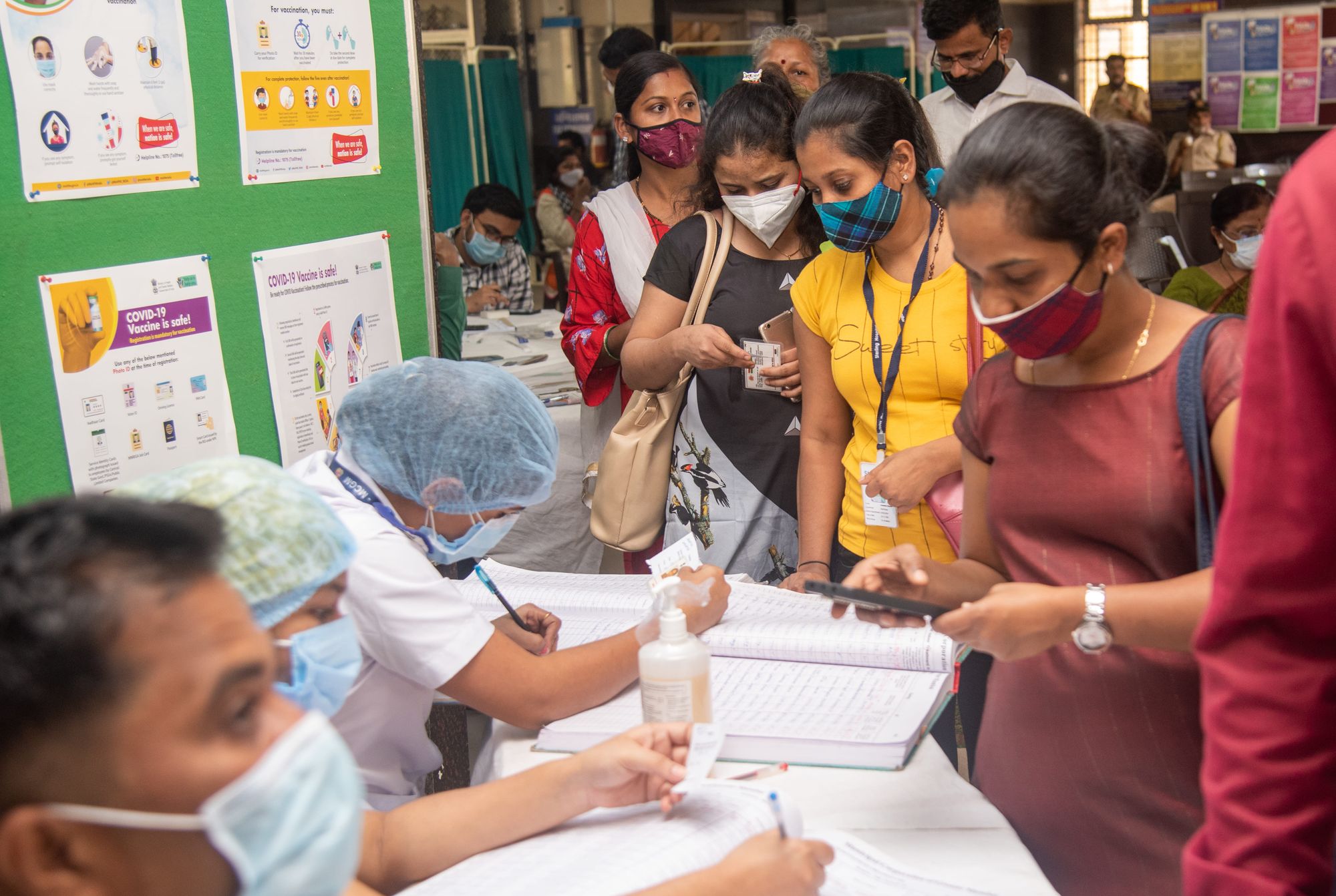
Flagship programs like Ayushman Bharat, launched with immense publicity and fanfare, have demonstrably failed to bring about the desired systemic change for the better. A critical reason for this failure is the program’s inadequate attention to improving the foundational public health infrastructure. While Ayushman Bharat’s Pradhan Mantri Jan Arogya Yojana (PMJAY) component provides health insurance coverage, it primarily funds treatment within an existing, overburdened hospital network. It does little to build new public hospitals, staff them adequately, or ensure the quality of care. This approach treats the symptoms—the inability to pay—while ignoring the disease: a crumbling public health system. Consequently, these factors lead to rising inequities and exploitation of the system.
Private hospitals, incentivized by insurance payments, may engage in unnecessary procedures, while public facilities remain neglected. The economically weaker sections of the population, despite being the target beneficiaries, face the maximum brunt of these failures. They navigate a system where promised care is either inaccessible, of poor quality, or comes with hidden costs, perpetuating a cycle of poverty and ill-health.
Due to these inherent systemic deficiencies, “fixes that fail” become common. Policies are implemented to address one issue but inadvertently exacerbate others due to a lack of holistic planning. Coupled with the high expectations of a population increasingly aware of medical possibilities, the utilisation of health services becomes severely skewed. People lose faith in their local primary health centres and secondary-level district hospitals, bypassing them entirely due to the poor availability of facilities, consistent drug stocks, and specialist doctors. They instead make a beeline directly for overcrowded tertiary hospitals in urban centers, overburdening these institutions with cases that should be managed at a lower level. This bypass phenomenon cripples the entire referral system.
The formal system of referrals—from public health services to private providers, and from lower-tier public health facilities (like PHCs) to higher-tier ones (like Community Health Centres or district hospitals)—is largely unregulated and haphazard. There is no seamless electronic health record system or coordinated patient transfer protocol. This disorganisation leads directly to overburdened tertiary care centres dealing with routine cases, while primary care centres, designed to handle the bulk of the population’s health needs, remain under-utilised and starved of both patients and, consequently, resources and political attention. These dynamics paint a picture of a chaotic, inefficient system that delivers poor patient satisfaction. Dissatisfaction stems from both the high, often impoverishing, cost of treatment in the private sector and the demonstrably poor quality and long wait times in the public sector. The tragic irony is that truly quality healthcare, defined by effective, timely, and respectful care, remains inaccessible and unaffordable to vast sections of the Indian population, particularly the rural poor and urban informal workers.
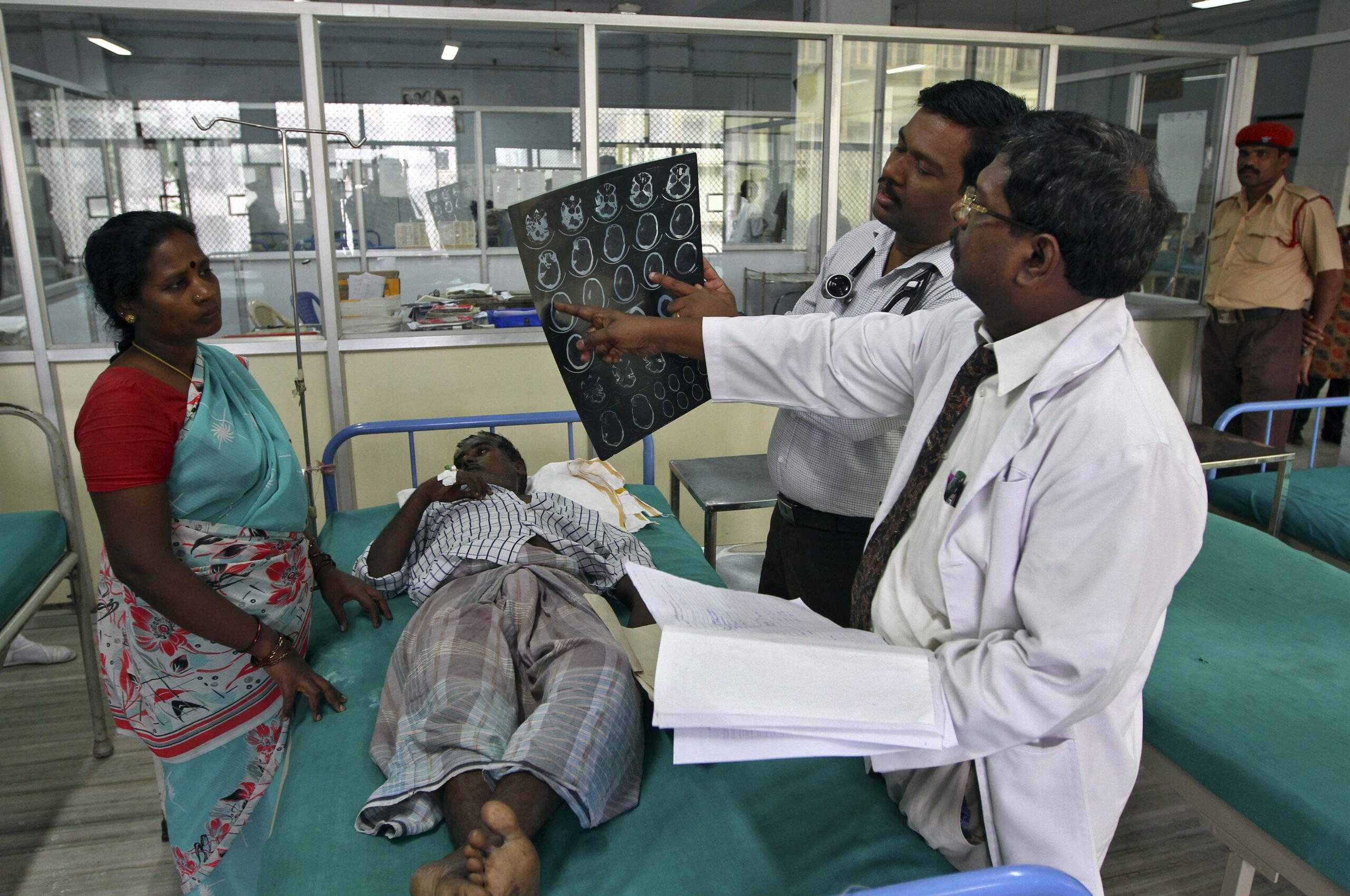
Access to Healthcare: The Broken First Mile
Access to healthcare is a multi-dimensional concept. Beyond simple affordability, it fundamentally depends on a network of efficiently functioning primary health centres and sub-centres that are physically reachable, open, and staffed. These satellite setups are the bedrock of a equitable health system. The primary healthcare services they are mandated to provide—preventive, promotive, and basic curative—are essential for meeting the long-standing, yet elusive, goal of “healthcare for all.” This goal was formally enshrined in the National Health Policy of 1983, which had the ambitious target of achieving “Health for All” by the year 2000 through comprehensive services delivered via a revitalised primary healthcare network.
Later, the National Rural Health Mission (NRHM), launched in 2005, was envisioned with good intentions to strengthen these very primary health centres, empowering them to fulfil a vast range of health services. However, it faced a number of deep-seated barriers. One of the most fundamental is the chronic and severe reluctance of MBBS-qualified doctors to serve in remote primary health centres. This reluctance is not merely a matter of personal preference but is structurally encouraged by an entire medical education and career ecosystem that glorifies specialisation and super-specialisation. Medical training in India focuses overwhelmingly on hospital-based, curative specialities, with little exposure to or valorisation of the comprehensive, community-oriented work of a primary care physician. The result is a workforce that aspires to be cardiologists and neurosurgeons in metro cities, not family doctors in rural Bihar or tribal Odisha.
The “Iron Triad” and the Quality Conundrum
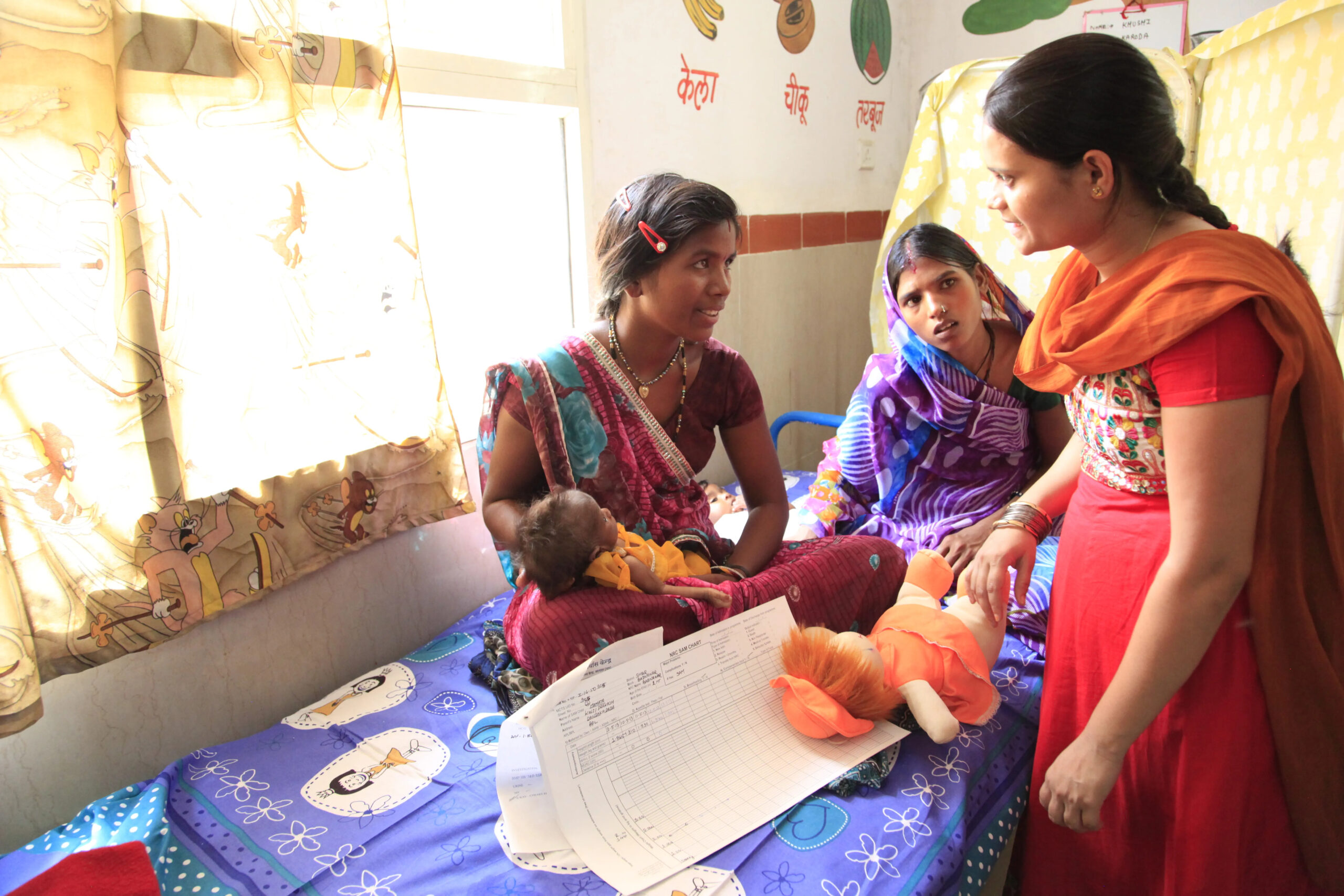
The discourse on healthcare often revolves around a core framework known as the “iron triad”: the three interdependent components of affordability, accessibility, and quality. A sustainable and just health system must balance all three. However, in India, this triad continues to elude healthcare policies, health system design, and implementation priorities. Policymakers and system managers face continuous trade-offs among these three dimensions. An attempt to improve one frequently comes at the cost of the other two. For instance, presently, the highest quality health services—featuring advanced technology and specialist expertise—are concentrated in big cities and elite private institutions. This concentration makes them inaccessible to the rural majority and, due to their high price, unaffordable for all but the wealthiest or well-insured, thereby compromising both accessibility and affordability.
To bring scientific rigor to measuring these disparities, the Health Access and Quality (HAQ) Index has been developed. The HAQ Index, computed using vast datasets from the Global Burden of Disease study, is a sophisticated metric. It identifies 32 specific conditions—such as tuberculosis, appendicitis, or certain childhood diseases—from which death should not occur in the presence of timely, quality healthcare. A death from any of these 32 conditions is considered a marker of failed access and/or poor quality care. Each cause of death is statistically transformed to a scale of 0 to 100, where 0 represents the worst observed performance (1st percentile) and 100 represents the best (99th percentile). These thresholds are applied at both the country and sub-national levels. Researchers compiled this data for 195 countries over a critical period of more than a quarter of a century, from 1990 to 2016, to analyse long-term trends.
The results for India are deeply concerning. Of the 195 countries assessed, India stands dismally at the 145th position, ahead of only Pakistan and Afghanistan among Asian nations. This places India behind nearly all its neighbours, including Sri Lanka, Bangladesh, and Nepal. The sub-national analysis reveals even starker internal inequities. China and India are highlighted as the countries with the largest internal gaps between their best-served and worst-served regions. In China, the HAQ Index ranges from 91.5 in Beijing to a low of 48.0 in Tibet. In India, the disparity is a staggering 30.8 points, with Goa recording the highest HAQ Index of 64.8 and Assam the lowest at 34.0. Alarmingly, this internal gap has widened significantly over the 25-year study period, from a 23.4-point difference in 1990 to the 30.8-point chasm in 2016. Research confirms that performance on the HAQ Index is positively correlated with a region’s Socio-demographic Index (SDI—a measure of development), total health spending by the government, and tangible health systems inputs like doctor and bed density. This data underscores an urgent need to reorient both primary and secondary healthcare services through targeted investment and policy to overcome stagnation and address these widening disparities.
The Inverted Pyramid of India’s Healthcare Hierarchy
India’s formal healthcare system is structured as a three-tier hierarchy, though it is a much-diluted version of the original recommendations of the Bhore Committee. All three levels—primary, secondary, and tertiary—were originally designed to operate through government health facilities. However, in recent decades, the secondary and tertiary levels have been increasingly encroached upon by public-private partnerships (PPP). The global impact of PPPs on government health infrastructure is a topic of heated debate with mixed outcomes. While they can bring in private investment and management efficiency, they also introduce significant risks: cherry-picking of profitable services, cost escalation, and conflicts of interest if not managed through exceptionally strong governance and regulation. This formal hierarchy uneasily coexists with a massive and heterogeneous private sector, encompassing both for-profit corporate hospital chains and not-for-profit charitable institutions.
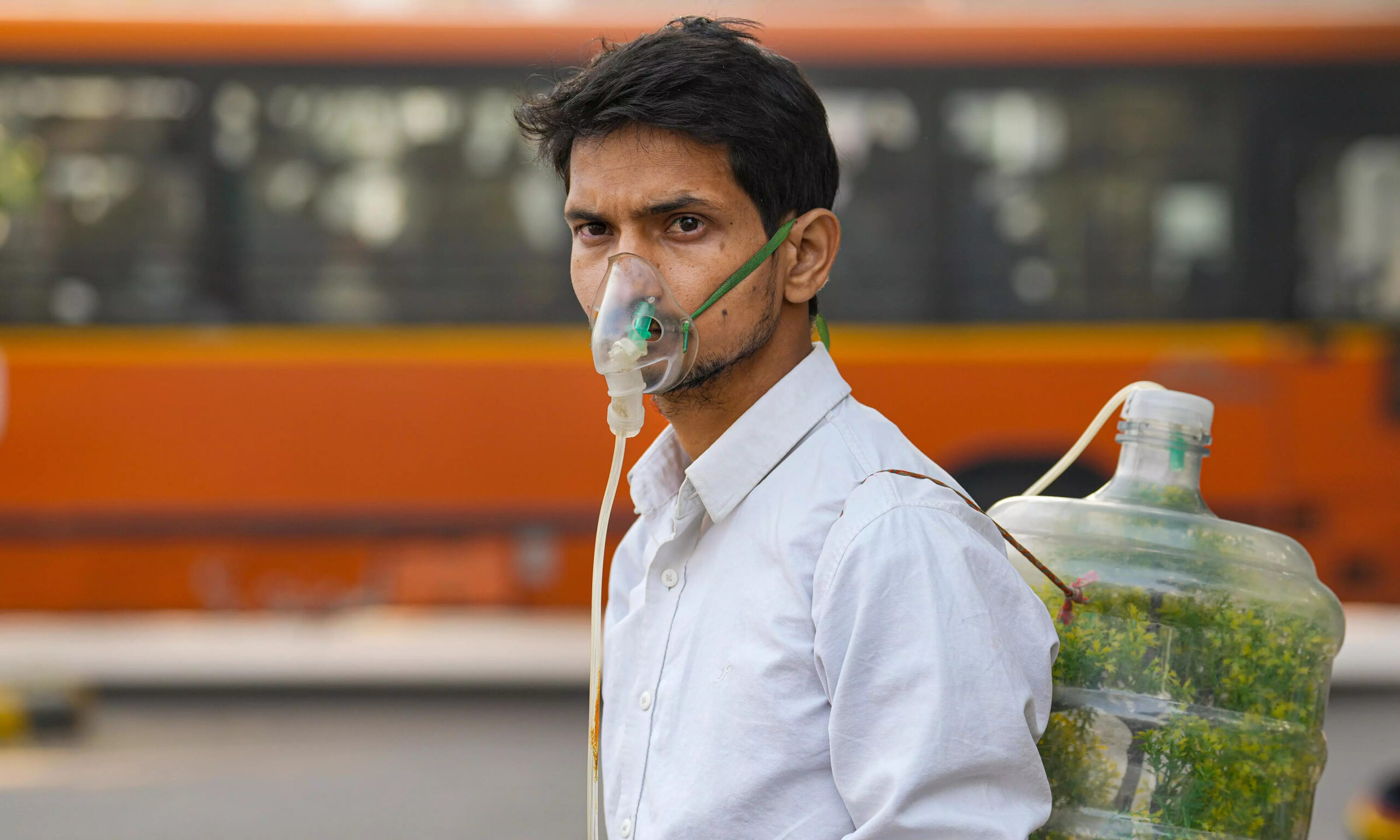
What was envisioned as a broad-based healthcare pyramid by the founding architects of India’s health system, most notably the Joseph Bhore Committee of 1946, has been turned on its head. The Bhore vision featured a wide base of numerous, strong sub-centres and primary health units, a smaller number of secondary health centres, and an even smaller apex of tertiary centres, with efficient referral systems. Today, we have an inverted pyramid. This inversion is driven by two parallel forces: a massive proliferation of private healthcare providers offering highly specialised (and profitable) tertiary care in large cities, and government policy that has focused on establishing new All India Institutes of Medical Sciences (AIIMS) and medical colleges—tertiary institutions—often at the direct cost of strengthening the pyramid’s base. The goal has been to increase the number of doctors and high-end hospital beds, but not to broaden and strengthen the network of sub-centres, PHCs, and district hospitals that form the system’s foundation. Consequently, India’s healthcare delivery totters on a weak foundation and is perpetually on the verge of collapse, especially when faced with a pandemic. The principle is clear: for population health, resources must be spread wide across the community, not stacked tall in a few urban centres.
The Unorganised Sector and a System Under Stress
The unorganised healthcare sector presents a constant threat to this already tottering pyramid. This sector’s range is vast. At one end are state-of-the-art tertiary care hospitals in metros like Delhi, Mumbai, and Chennai, which drive a medical tourism industry valued close to USD 9 billion and projected to reach USD 18 billion by 2027. At the other end are small private clinics and hospitals in wealthy towns. And at the very bottom lies the dark underbelly: the vast army of quacks—practitioners with no formal qualification in any system of medicine—who fill the vacuum created by non-functional primary and secondary public institutions. They are often the first and only point of contact for healthcare for millions, leading to missed diagnoses, antibiotic misuse, and tragic outcomes.
The mushrooming of private hospitals at all levels has also driven the phenomenon of supplier-induced demand, leading to excessive diagnostic tests and surgical procedures, sometimes performed without clear medical indication. This commercialisation contrasts sharply with the reality in government hospitals, which suffer from severe understaffing and crippling overcrowding. The stress on government doctors is immense, leading to a vicious cycle: many talented and experienced doctors leave their government jobs for better pay and working conditions in the private sector, which further aggravates the problems of the public hospitals they leave behind. A stark example of this occurred recently, with reports of an exodus of a large number of faculty and doctors from the most prestigious government institutions—the AIIMS. There were over 400 resignations from various AIIMS across the country, leading to critical faculty shortages. The main reasons cited were punishing workloads, lack of basic amenities and support systems in newly established AIIMS, and the powerful lure of better pay, facilities, and work-life balance in the burgeoning private corporate hospital sector.
How Policies Strayed from the Bhore Committee Roadmap
Successive governments have failed to effectively address these structural problems. Interventions have often been knee-jerk, symptomatic solutions that, in the long run, continued to aggravate the problems instead of solving them. To understand the root of the divergence, one must return to the Health Survey and Development Committee (Bhore Committee). Appointed in 1943 and reporting in 1946, it was tasked with drawing a comprehensive roadmap for healthcare in newly independent India. After extensive surveys, it identified four fundamental causes of the population’s poor health: (i) Insanitary conditions and lack of safe water, (ii) Widespread under-nutrition, (iii) Inadequacy of existing medical and preventive organisations, and (iv) A profound lack of health literacy.
Regrettably, decades later, India is still grappling with these same core issues. Recent deaths from water pollution in Indore, Madhya Pradesh, and typhoid outbreaks in Gandhinagar, Gujarat, are tragic testaments to the unfinished agenda of safe water and sanitation. In this vacuum, market forces have stepped in, promoting bottled water and household filters as essentials because tap water is largely undrinkable—a failure of public utility that is unthinkable in most developed nations. On the nutrition front, India battles a double burden. It harbours one of the world’s highest numbers of undernourished under-five children, with NFHS-5 data revealing 35.5% stunted, 32.1% underweight, and 19.3% wasted. Simultaneously, the rising middle class faces an epidemic of over-nutrition, with escalating rates of obesity, diabetes, and hypertension.
We have fallen astronomically behind the Bhore Committee’s specific recommendations for health facility allocation. The Committee recommended a Primary Health Unit for every 10,000-20,000 people, featuring a 75-bedded hospital staffed by six medical officers, including surgical and gynecological specialists, and full ancillary staff. It envisioned a Secondary Health Unit (a 650-bedded hospital with 140 doctors and all major specialities) to supervise 30 Primary Units. At the apex was the District Hospital (2500 beds, 269 doctors with sub-specialities), often attached to a medical college. This was an integrated vision where each tier contributed to medical education.
Instead of this government-led, accessible system, healthcare over the years has been increasingly usurped by market forces. The Bhore recommendations were not rejected but were implemented in a selective, diluted manner. The only target consistently met has been the production of doctors, which, after private medical colleges entered the fray in the 1990s, became a lucrative business. Currently, almost 50% of medical seats are in private colleges, where capitation fees can run into crores of rupees. However, this fulfills the letter, not the spirit, of Bhore’s vision. The majority of these doctors do not serve in the public system Bhore planned for. They aspire for specialist seats and ultimately join the private sector. A profound injustice is that a significant proportion are produced at the public’s expense in subsidised government medical colleges but feel no reciprocal obligation to serve in public facilities, instead capitalising on their subsidised education in the private market with little state regulation.
Other recommendations were diluted beyond recognition. Today’s PHC—a single doctor and a few paramedics for 20,000-30,000 people—is a poor caricature of the 75-bedded, six-doctor unit Bhore envisioned. This dilution of the base is the original sin of India’s health policy.
Remedial Measures: Good Intentions, Incomplete Execution
The current strategy to fix public healthcare often focuses on misplaced priorities. The dominant approach is to sanction more MBBS and postgraduate seats and approve new medical colleges, often attached to district hospitals. While increasing doctor numbers is necessary, doing so without a concurrent, massive investment to revitalise the primary health centres and sub-centres where these doctors are desperately needed is putting the cart before the horse. It adds to the top of the inverted pyramid while the base continues to crumble.
There have been attempts with correct priorities but flawed implementation. The National Health Mission (NHM), launched in 2013, aimed to ensure sustainable, affordable, and equitable healthcare. It acknowledged that 70% of Indians lacked health insurance. The WHO has long recommended that public health expenditure be scaled up to at least 5% of GDP. In India, it was a mere 0.9% in 2002 and only about 2% in 2010. The National Health Policy 2017 set a target of just 2.5% by 2025—half the WHO recommendation—citing insufficient infrastructure and a historical failure to utilise allocated funds. This chronic underfunding is the single biggest constraint.
A recent positive step is making a District Residency Program compulsory for post-graduate medical students and converting district hospitals into medical colleges. This could, in theory, improve the distribution of specialist manpower. However, this is too little, too late against the tide of other dynamics that have created gross inequities. Today, an estimated 80% of India’s advanced health facilities serve the privileged 20% in cities, while the remaining 20% of resources (of uncertain quality) cater to 80% of the population—the rural masses and urban poor.
The Ayushman Bharat Programme (ABP), launched in 2017, had two components. First, upgrading 150,000 Sub-Centres and PHCs to Health and Wellness Centres (HWCs) by 2022 to deliver comprehensive primary care. Second, the PMJAY insurance scheme for secondary and tertiary care. PMJAY is often called the world’s largest health programme. Paradoxically, its financial provisions to “beef up” the ailing public infrastructure were minuscule. The 2018-19 budget allocated Rs 1,200 crore for HWCs, translating to a mere Rs 80,000 per centre—enough perhaps for a coat of paint and new signboards, but not for the structural overhaul, equipment, and additional staff required. Essentially, both components of Ayushman Bharat reshuffled the existing deck of cards under a new name, covering breadth but lacking the depth of investment needed for transformation.
The Way Forward: Beyond Monetary Fixes
Health economics teaches us that the issue is less about the total amount of money and more about its judicious allocation based on population needs and values that are not always quantifiable in rupees. Non-monetary inputs—strong governance, community engagement, a motivated workforce, and preventive public health measures—can have a more significant impact on population health than the financial outlay alone. The U.S. experience is a cautionary tale: the highest health spending in the world coexists with mediocre health outcomes and rampant inequality, proving that money not spent wisely is money wasted.
In India, advances in medical technology, aggressively marketed by corporate interests, have further skewed the system toward high-end, hospital-based tertiary care. Medicine at this level is becoming more complex and defensively practiced, with doctors ordering batteries of tests primarily to hedge against litigation, not because of clinical necessity. This escalates costs dramatically. Furthermore, various powerful stakeholders—the pharmaceutical industry, medical device manufacturers, and hospital corporations—have entered the fray, seeking returns on investment and transforming healthcare into a commercial monolith with vast resources but a narrow, profit-driven vision.
India began with a sound, needs-based roadmap from the Bhore Committee. We have lost our way, increasingly mimicking an American-style, specialist-dominated model that sidelines the first-contact general practitioner or primary care physician. As things stand, without drastic corrective steps—a massive, prioritized investment in primary care, stringent regulation of the private sector, and a renewed focus on the social determinants of health—the momentum of market forces will override all attempts to deliver the “iron triad” of affordable, accessible, and quality healthcare to every Indian.
Epilogue
Sir Joseph Bhore, after a long and dedicated career shaping the vision for India’s healthcare, died on August 15, 1960—India’s Independence Day. The poignant coincidence of his passing on the anniversary of the nation’s freedom underscores a profound tragedy: the comprehensive, equitable health system he envisioned for a free India remains, to this day, public health’s missed tryst with destiny.
(The author, a renowned epidemiologist, is currently Professor Emeritus at Dr DY Patil Medical College. Pune, India. He is included in Stanford University’s list of top 2 per cent scientists globally for three consecutive years. He is the Founder Chairperson of Universal Health Organization, a registered watchdog on public health issues (https://uho.org.in/). He has authored the book, Covid-19 Pandemic: A Third Eye.)