
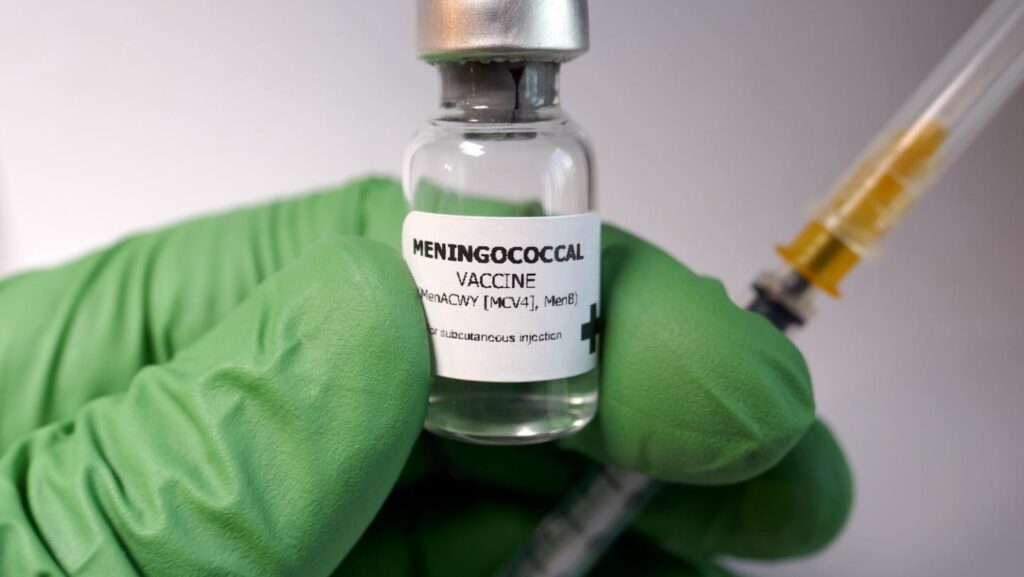
Safeguarding Vials, Breaking Taboos
“Dear Readers”
Double Helical, a comprehensive national health magazine, serves as a platform to acknowledge innovations, individuals, products, and services transforming India’s healthcare sector—paving the way for affordable, high-quality, and inclusive healthcare.
In the current issue, we focus on adulteration in vaccines as our special cover story. Fundamentally, vaccine adulteration refers to the introduction of impure, foreign, or unintended substances into a vaccine supply. While the deliberate addition of inferior or counterfeit ingredients for economic gain is rare in the legitimate pharmaceutical supply chain due to stringent regulatory oversight, risks remain. If sterile conditions break down during production, bacteria or fungi can contaminate batches. In clinical settings, reusing needles or improperly storing opened multi-dose vials can introduce environmental pathogens into the vaccine fluid.
Traces of substances used in the manufacturing process—such as chemical detergents, minute stainless steel particles from machinery, or glass flakes from storage vials—can accidentally slip into the final product. In illegal or unauthorised markets, bad actors may attempt to replicate packaging and fill vials with saline, water, or other ineffective substances.
India should treat the circulation of adulterated and spurious vaccines as a national public-health security issue, not merely as another category of pharmaceutical crime. The country already possesses significant regulatory infrastructure, vaccine-manufacturing capacity, laboratory capability, and one of the world’s largest immunisation supply systems. However, the challenge lies in making these systems sufficiently transparent, technologically integrated, and enforcement-oriented so that a counterfeit or compromised vaccine becomes extremely difficult to manufacture, distribute, and administer without swift detection. All medicines require quality control, but vaccines present unique clinical challenges. They are biological products whose potency, purity, sterility, and stability depend upon tightly controlled manufacturing processes. Their efficacy can also be compromised by temperature excursions and inappropriate handling.
As another major feature in this issue, we examine Erectile Dysfunction (ED)—also known as impotence—which is the consistent or recurring inability to achieve or maintain a penile erection firm enough for satisfactory sexual activity. This includes the inability to achieve an erection at any time, getting an erection intermittently, an erection that does not last long enough for intercourse, or a reduced sexual desire and libido.
ED is often linked to a mix of physical, psychological, and lifestyle elements. We discuss blood pressure, diabetes, cholesterol, constipation, arthritis, and even piles without a moment’s hesitation. Mention sex or sensual fulfilment, however, and suddenly the voice drops to a timid whisper, eyes look away, and the conversation mysteriously vanishes in a cloud of blushing embarrassment. It is because somewhere along the way, society taught us that sex is something to be hidden in the dark rather than something to be celebrated and understood in all its passionate glory.
Why are we so afraid to talk about the very intimate act that kindled our creation and gave us life? If sex were not a normal, natural, and exquisitely beautiful function of the human body, none of us would be breathing today.
Sexuality is a normal biological and emotional dimension of human existence. Just as we breathe, our heart beats, we eat, sleep, and eliminate, our capacity for sensual pleasure and deep connection is an intrinsic part of who we are. It is not merely a mechanical physical act; it encompasses biology, psychology, intense intimacy, romantic harmony, and, for many, an essential aspect of identity, vitality, and overall quality of life.
Look at the magnificent cultural heritage of India. The awe-inspiring temples of Khajuraho and Konark, along with sensuous, passionate sculptures preserved across various historical Indian traditions, remind us that human sexuality was not always treated as an unspeakable topic. These artistic marvels formed part of a vast cultural and philosophical landscape, affirming that raw desire, passionate relationships, and the sensual beauty of the human form have been celebrated components of civilisation for millennia. The lesson for us today is not that sexuality should be reduced to mere entertainment. The lesson is far simpler and more profound: we must be able to discuss sexual health, intimacy, and bedroom satisfaction without shame.
In addition to these compelling features, this edition explores a spectrum of critical developments shaping the future of medicine and healthcare policy in India:
The diabetes feature examines the transition from manual finger-stick checks to continuous glucose monitoring (CGM), automated insulin delivery (AID) systems, and AI-driven metabolic support—liberating patients from daily decision fatigue.
A critique of the implementation of the National Commission for Allied and Healthcare Professions (NCAHP) Act, analyses whether prolonging course durations and adding professional titles genuinely improves clinical competence or merely increases the financial burden on students.
Another story breaks down the landmark 176th Report by the Parliamentary Standing Committee on Health and Family Welfare, tackling out-of-pocket medical expenditure, corporate profiteering, transparent hospital tariffs, and the urgent need to raise public health spending to 2.5 per cent of GDP.
Happy reading!
Thanks and regards,
Amresh K Tiwari
Editor-in-Chief