
Uniting to Turn the Tide
Every year, more than 300,000 people lose their lives to drowning globally, with 83,000 deaths occurring in the WHO South-East Asia Region alone. With evidence-based strategies, community action, and political commitment, we can transform this silent tragedy into a public health success story.
By Dr Catharina Boehme
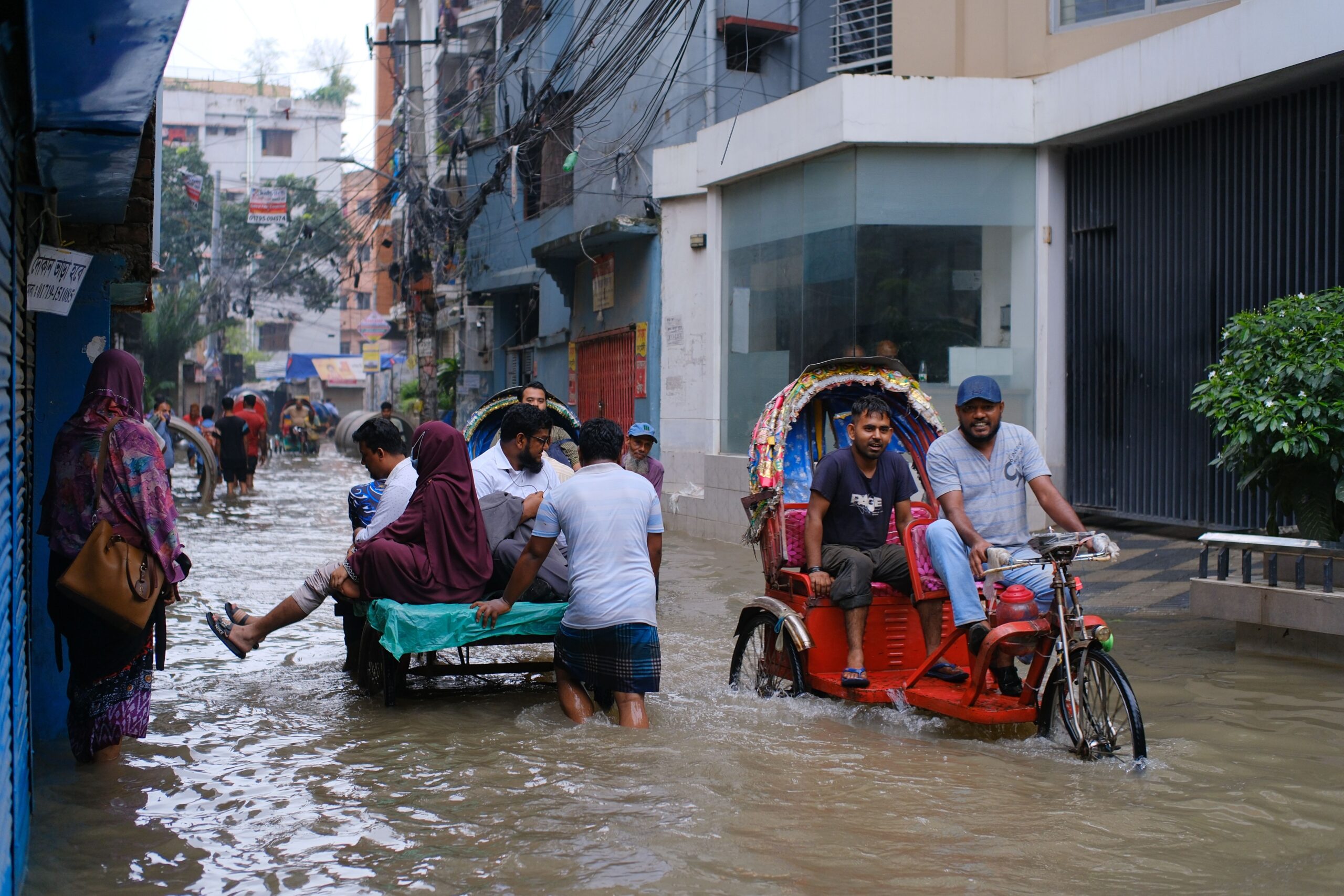
Every year, more than 300,000 people lose their lives to drowning globally. In the WHO South-East Asia Region alone, approximately 83,000 people die from drowning each year, and drowning remains one of the leading causes of death among children and adolescents. For families across the Region, particularly those living near rivers, ponds, lakes, coastal areas, and flood-prone communities, the risk is a daily reality and not a distant statistic.
This year, we mark World Drowning Prevention Day under the theme “Unite to Turn the Tide.” The message is simple but profound: drowning prevention is not the responsibility of one ministry, one profession, or one community. It requires all of us—governments, schools, health workers, transport authorities, disaster management agencies, employers, community leaders, families, and young people—to play our part.
Progress in the Region
Since 2000, global drowning rates have fallen by 38 percent. In South-East Asia, they have fallen by nearly half. Bangladesh has shown that community childcare and survival swimming programmes can dramatically reduce childhood drowning. Thailand’s nationwide Merit Maker programme has significantly reduced child drowning deaths. Nepal is strengthening flood preparedness and early warning systems and plans to develop a national strategy. India is expanding multisectoral approaches encompassing health, education, transport, and disaster management. Sri Lanka’s location-based weather alert and warning system, Sayuru (meaning Oceans in Sinhala), has reduced storm-related deaths in coastal communities by 70 percent in four years. Maldives, Nepal, and other Member States are developing strategies and action plans to keep people safe around water.
 Persistent Gaps
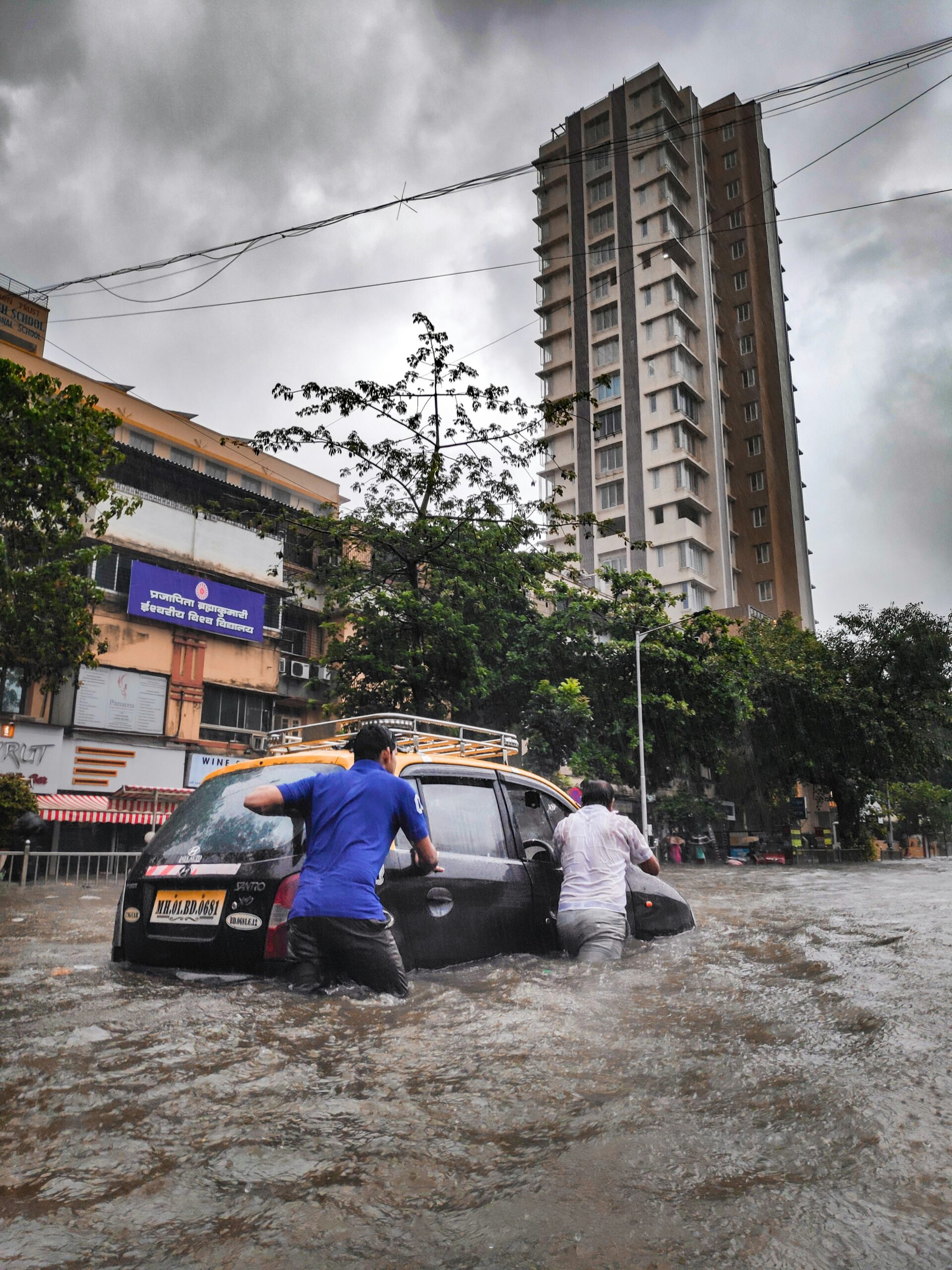
Nevertheless, gaps remain. Children continue to bear a disproportionate share of this burden, and for many communities near water, protective infrastructure, supervised childcare, and water safety education are still out of reach. What is missing in too many places is not knowledge but delivery.
The Way Forward: PROTECT
The Global Strategy for Drowning Prevention sets a goal of reducing drowning deaths by 35 percent by 2035. To accelerate progress, WHO is launching “PROTECT: Seven strategies to prevent drowning: A technical package for policymakers.” It gives countries a practical framework to build enabling policies for delivery of evidence-based drowning prevention interventions. PROTECT calls for strengthening policies for physical infrastructure, rescue capacity, occupational safety, transport safety, swimming and water safety education, childcare systems, and threat preparedness for floods and other multi-hazard emergencies.
In the WHO South-East Asia Region, drowning remains one of the leading causes of death among children and adolescents, particularly in communities near rivers, ponds, coastal areas, and flood-prone zones.
We call upon all Member States and partners in the Region to accelerate action on drowning prevention, to invest in policies and interventions that protect those most at risk, and ensure that every child and family can grow up safe around water.
Together, we can transform drowning from a silent, neglected, and preventable tragedy into a public health success story. On World Drowning Prevention Day, let us unite to turn the tide.
(The author is Officer-in-Charge, WHO South-East Asia.)